Selecting the right restaurant furniture materials Ghana projects require is not just a design decision—it directly impacts durability, maintenance cost, and long-term ROI. In Ghana’s climate, where humidity and heavy commercial usage are constant factors, material selection becomes a technical and strategic process.
If you are planning a restaurant or hotel project, understanding how materials behave under real operating conditions will help you avoid costly replacements and operational issues. For a complete overview of project planning, you should first review this pillar guide on restaurant furniture Ghana.
In this guide, we will break down the most used materials—HPL, veneer, metal, and wood—and evaluate their performance specifically for Ghana projects.
The best materials for restaurant furniture in Ghana include HPL surfaces, powder-coated metal frames, and properly treated solid wood, as they provide resistance to humidity, heavy usage, and long-term wear in commercial environments.
Quick Answer:
The best restaurant furniture materials Ghana projects require are moisture-resistant and durable options such as HPL surfaces, metal frames, and treated wood, which can withstand humidity, heavy usage, and frequent cleaning in commercial environments.
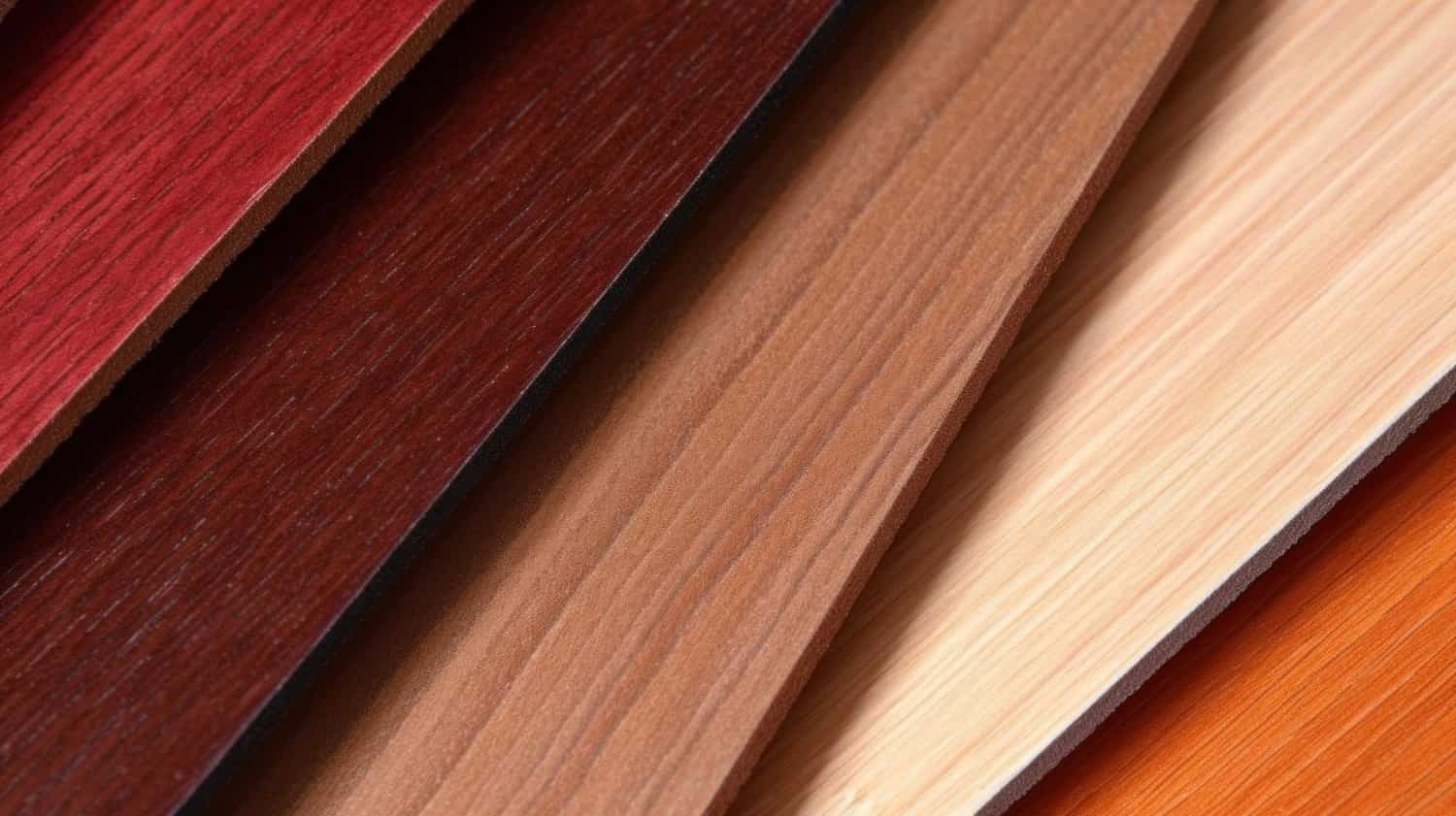
When evaluating restaurant furniture materials Ghana, you must consider three key factors:
Materials that perform well in Europe may fail quickly in Ghana if not properly selected.
For budgeting implications of material choices, understanding the restaurant furniture cost Ghana is essential for accurate planning.
One of the most critical comparisons in restaurant furniture materials Ghana is HPL vs veneer.
👉 In Ghana projects, HPL is generally preferred for tabletops and service areas due to its durability.
If you are working with a supplier, make sure they clearly explain material specifications.
In high-humidity environments like Ghana, surface material choice often determines furniture lifespan more than structural design.
Another key decision in restaurant furniture materials Ghana is choosing between metal and wood structures.
👉 Best practice: combine metal structure + wood/HPL surface for optimal performance.
Ghana’s climate significantly affects restaurant furniture materials Ghana decisions.
Key risks include:
To mitigate risks:
In many hospitality projects, improper material selection can reduce furniture lifespan by up to 40–60%, especially in humid climates like Ghana.
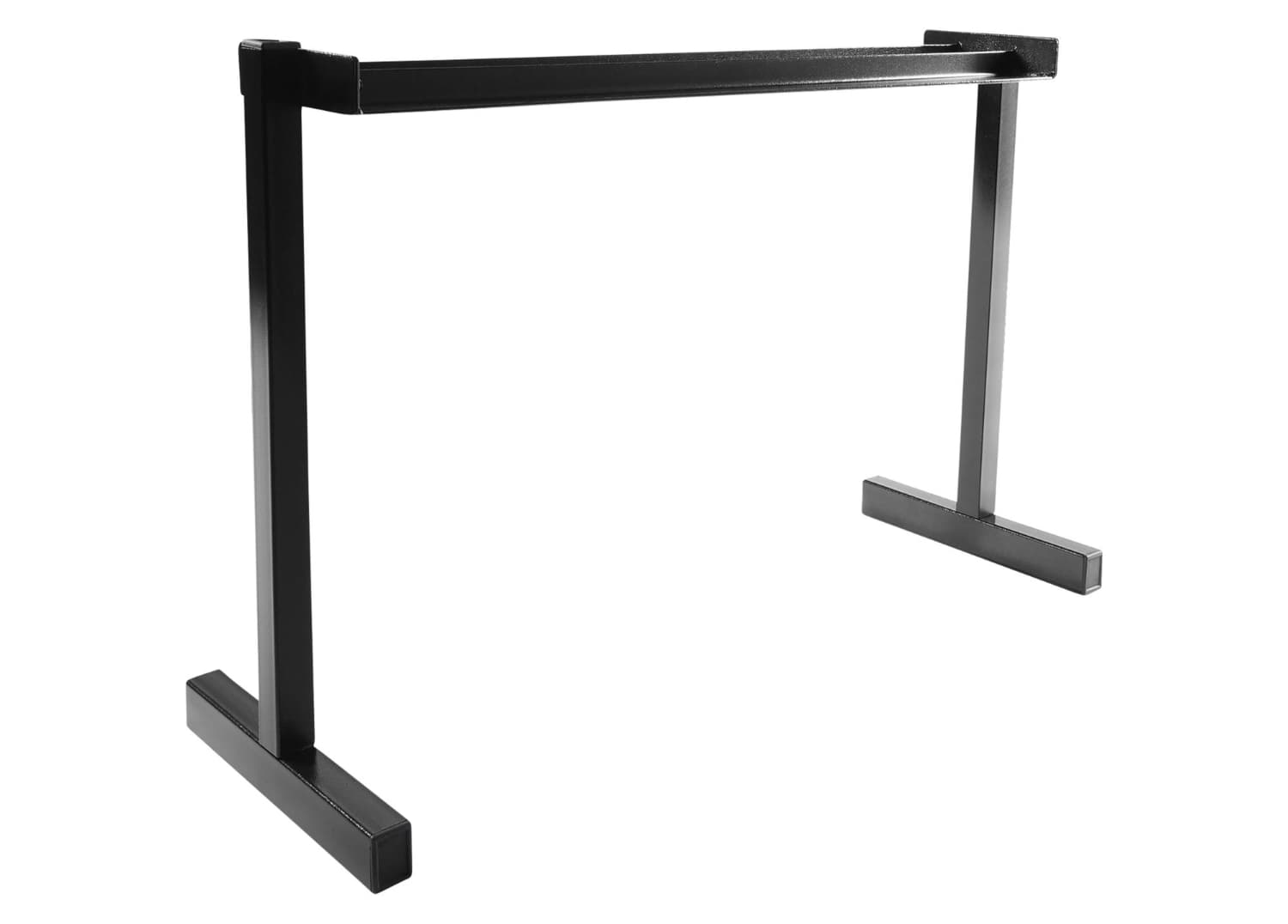
Based on real projects, the most effective combinations are:
These combinations balance durability, cost, and aesthetics.
Applying the correct restaurant table size guidelines is also important at this stage, as table dimensions directly influence material usage, structural stability, and overall layout efficiency.
If your project is part of a hotel, material selection must align with broader FF&E planning.
Different restaurant concepts require different materials:
Selecting the right restaurant chairs ghana is essential in these environments, as seating materials and structural quality directly affect durability, comfort, and long-term maintenance.
Aluminum or stainless steel
Compact laminate, especially when specifying durable outdoor restaurant furniture Ghana for terrace and poolside environments exposed to humidity and sun
Proper layout planning also affects material wear and lifespan.
When sourcing restaurant furniture materials Ghana, origin matters.
For a full comparison, review: Restaurant furniture Ghana vs Turkey vs China
Before finalizing your order, check:
A structured checklist helps avoid costly mistakes.
Material quality is only as good as the manufacturer applying it.
Working with an experienced export-focused manufacturer ensures:
Explore production capabilities here: Restaurant & Cafe Furniture Category
Material durability standards for commercial furniture define the minimum performance thresholds that materials must meet before they are used in hospitality environments. For restaurant furniture materials Ghana projects require, understanding these standards helps procurement teams evaluate supplier claims objectively — moving beyond marketing language to measurable, documented performance data.
The most relevant standards for restaurant furniture surface materials are ASTM International test methods, which cover scratch resistance (ASTM D5420), impact resistance (ASTM D4226), moisture resistance (ASTM D5229), and heat resistance (ASTM C177) for laminate and composite surface materials. For global material durability standards and testing methods, you can review international guidelines from organizations like ASTM.
HPL specification for commercial restaurant use typically references EN 438 — the European standard for high-pressure decorative laminates — which defines surface properties including abrasion resistance, impact resistance, heat resistance, and resistance to staining and cleaning chemicals. EN 438 Grade HGS (horizontal general standard) is the minimum appropriate specification for restaurant tabletops. Grade HGP (horizontal postforming) is used for curved edge applications. A manufacturer who specifies “HPL surface” without referencing a grade classification is not providing a specification — they are providing a material category that could range from residential-grade to contract-grade without any way to distinguish between them.
For upholstery fabrics, EN ISO 12947 (Martindale abrasion testing) is the standard reference for rub cycle ratings. The test measures how many abrasion cycles a fabric withstands before showing visible thread breakdown. For hotel restaurant seating, 50,000 cycles minimum is the correct specification threshold — fabrics tested below this rating will show visible wear within the expected operational lifespan of the furniture. Request test certificates from the fabric mill — not from the furniture manufacturer — because the fabric mill is the entity that conducted the test and can verify the result.
For structural performance of restaurant seating, BIFMA X5.1 and X5.4 define load cycle, fatigue, and stability requirements for commercial chairs. These standards are discussed in detail in the restaurant chairs Ghana guide.
HPL combined with metal structure is the most durable and cost-effective solution.
Only in controlled indoor environments with proper sealing and maintenance.
Because it resists humidity, pests, and heavy usage better than wood.
Yes, materials directly impact both initial investment and long-term maintenance.
Importing from experienced manufacturers (e.g., Turkey) usually provides better durability and consistency.
WhatsApp us