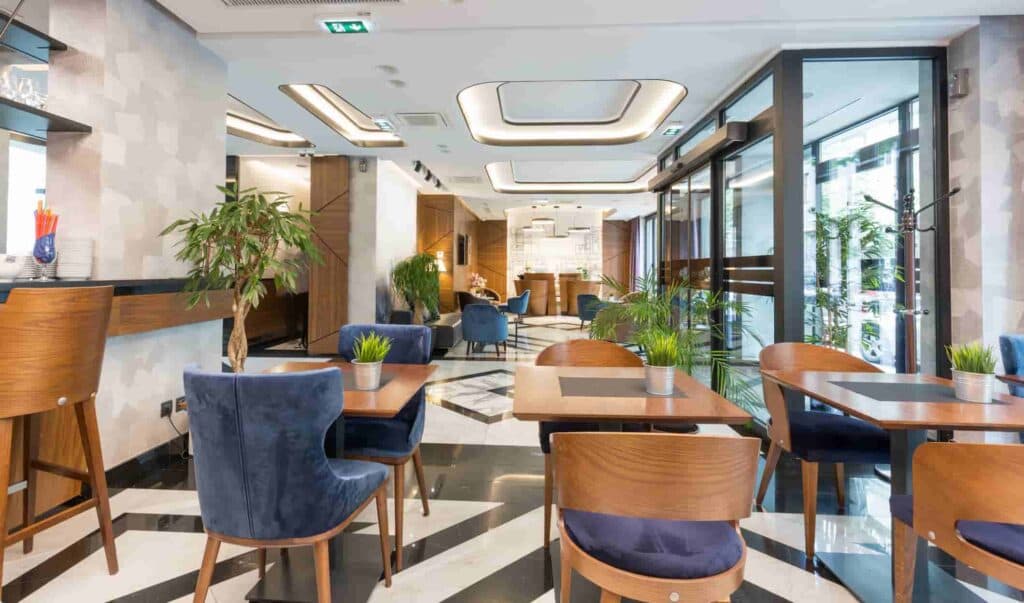
Choosing the right restaurant chairs Ghana projects require is one of the most critical decisions in any hospitality setup. Chairs are the most used furniture item in a restaurant, directly impacting customer comfort, durability, and operational efficiency.
If you are planning a full project, it is essential to understand how seating fits into the bigger picture of restaurant furniture Ghana selection.
The best restaurant chairs for use in Ghana are contract-grade chairs made with metal or treated wood frames, durable upholstery, and moisture-resistant finishes, ensuring long-term performance in high-traffic and humid environments.
Quick Answer:The best restaurant chairs Ghana projects require are contract-grade chairs with durable frames, moisture-resistant materials, and ergonomic design to withstand heavy usage, humidity, and frequent cleaning in commercial environments.
From stacking functionality to upholstery choices and long-term durability, this guide will help you select the most suitable contract chairs Ghana projects demand.
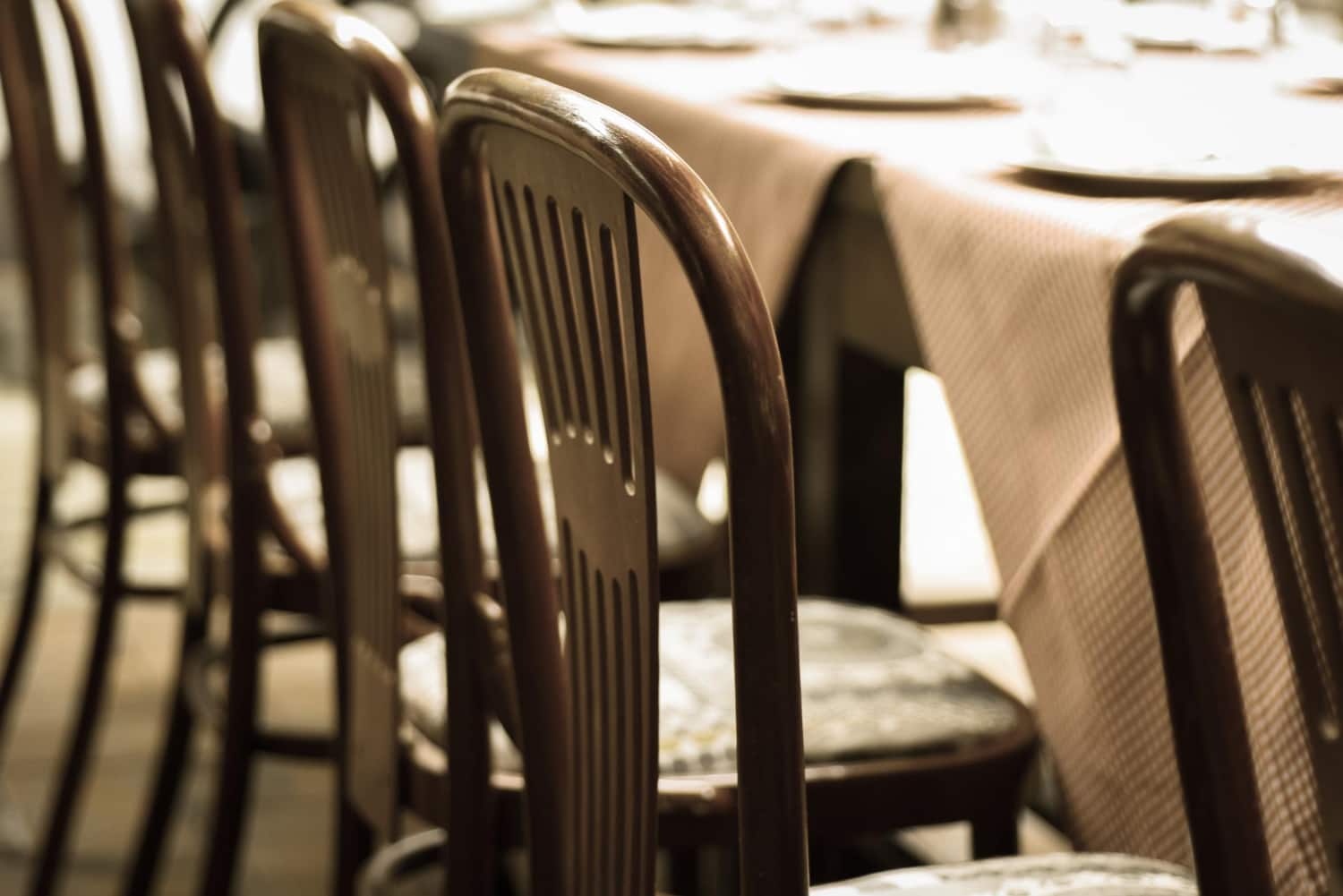
In commercial environments, chairs are exposed to:
That’s why selecting the right restaurant chairs Ghana projects need is not only about design—it’s about performance.
Material choice directly affects lifespan and maintenance costs. Understanding restaurant furniture materials Ghana is essential before finalizing chair specifications.
Stacking chairs are one of the most preferred solutions in contract chairs Ghana projects.
They are especially useful in hotel restaurants, conference dining areas, and outdoor setups where selecting the right outdoor restaurant furniture Ghana becomes essential for durability and flexibility.
In high-volume restaurant operations, stacking chairs significantly reduce labor time during cleaning and event reconfiguration, improving overall efficiency.
Another important decision in restaurant chairs Ghana selection is upholstery.
👉 Best practice: use upholstered chairs selectively (VIP or indoor areas) and durable surfaces for general seating.
If your project includes hotel dining areas, seating must align with overall FF&E strategy.
Durability is the number one priority when selecting restaurant chairs Ghana projects depend on.
Key durability factors:
For high-traffic restaurants, metal frame chairs with reinforced joints are often the best choice.
Cost and durability are closely linked, so reviewing restaurant furniture cost Ghana helps balance budget and performance.
In many restaurant projects, chairs represent the highest replacement rate among all furniture items, making durability a critical cost factor.
Durability Insight:In commercial environments, chair failure is one of the most common maintenance issues, often caused by weak joints and low-quality materials rather than design.
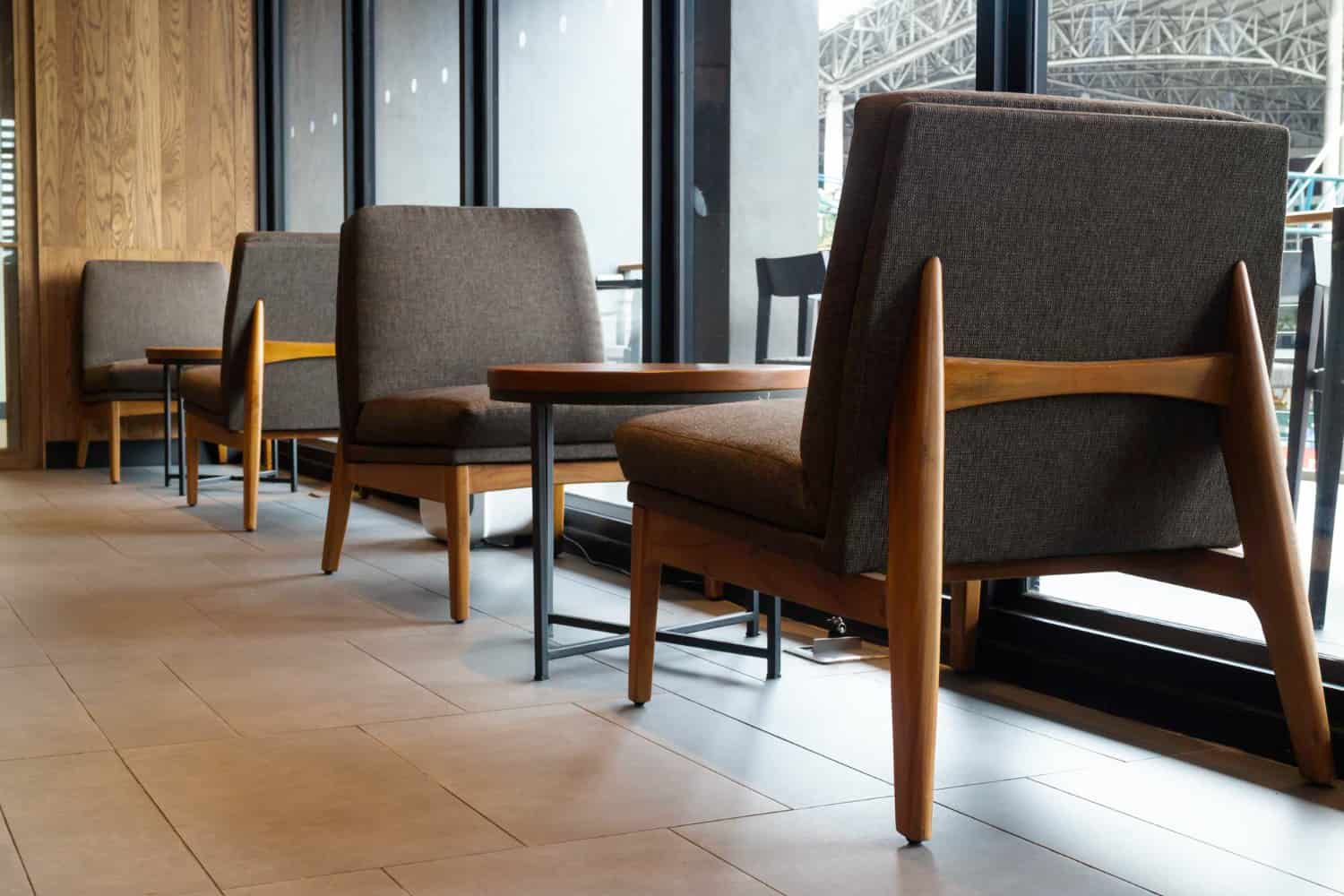
Material selection plays a major role in chair performance.
Top combinations:
Each material behaves differently under Ghana’s climate conditions.
To better understand material performance, compare options in restaurant furniture Ghana vs Turkey vs China sourcing decisions.
Chair dimensions and type must match your layout strategy.
Important considerations:
Poor chair selection can reduce capacity and affect customer experience.
Following the correct restaurant table size standards is equally important, as table dimensions directly influence chair placement, seating density, and overall layout efficiency.
For optimal planning, review restaurant seating layout Ghana strategies before finalizing your order.
Choosing the right supplier is critical for ensuring durability, consistency, and long-term performance. Not all chairs are designed for commercial use, and working with inexperienced suppliers often leads to structural failures, inconsistent quality, and higher maintenance costs.
An experienced restaurant furniture supplier for Ghana projects understands the specific requirements of hospitality environments, including heavy daily usage, humidity conditions, and export logistics. This ensures that chairs are produced using contract-grade materials and tested construction methods.
Professional manufacturers provide better material selection, reinforced structures, and consistent finishing quality across all units. They also offer customization options and maintain strict quality control processes to ensure long-term performance.
Projects that prioritize supplier expertise over initial cost consistently achieve better durability, fewer operational issues, and stronger overall performance in restaurant and hotel environments.
When sourcing contract chairs Ghana, production quality directly affects durability.
Export-focused manufacturers offer:
You can explore professional production solutions here: Restaurant Chairs
Chair durability is often tested according to international standards such as those defined by ISO and BIFMA. Understanding what these standards actually test — and what they mean for restaurant chair procurement in Ghana hotel projects — helps developers move beyond marketing claims and evaluate supplier quality on measurable criteria.
BIFMA X5.4 is the most directly relevant standard for hotel restaurant seating. It covers lounge and public seating used in commercial environments and defines test requirements across four performance areas: structural integrity under load cycling, stability under lateral and forward force, durability of moving components, and seat and back strength under impact loading. A chair that passes BIFMA X5.4 has been tested to 100,000 seat and back cycles, 400 lb drop impact tests, and lateral stability requirements that simulate real-world restaurant use patterns — guests sitting down quickly, pushing back, and rising at angles. A chair without BIFMA certification or an equivalent EN standard test report has not been tested to any standardised commercial performance threshold.
For restaurant chairs used in hotel dining environments in Ghana, the BIFMA X5.4 threshold is a minimum, not a ceiling. Hotel restaurants running three service periods daily accumulate load cycles significantly faster than standard commercial environments — a busy hotel restaurant chair may reach 50,000 cycles within a single year. Specifying chairs tested to 100,000 cycles provides approximately two years of operational buffer before the chair approaches its tested performance limit, assuming correct maintenance. Chairs tested to 250,000 cycles — available from manufacturers producing at contract hospitality specification — provide a substantially longer performance horizon that aligns with the 5 to 8 year replacement cycle a well-specified hotel restaurant should achieve.
When requesting certification documentation from a Turkish manufacturer, ask for the actual test report — not just a statement that the chairs “meet BIFMA standards.” A test report shows the specific standard, the test date, the testing laboratory, and the pass/fail results for each test category. A manufacturer who cannot produce test reports is not a manufacturer whose durability claims are verifiable.
Metal frame chairs with durable surfaces are the most reliable for high-traffic environments.
Yes, but mainly for indoor and premium areas due to maintenance requirements.
They improve space flexibility and are ideal for multi-purpose restaurant areas.
High-quality contract chairs should last 5–10 years depending on usage.
Turkey offers a strong balance of durability, design, and export quality standards.
WhatsApp us