Choosing the right restaurant furniture supplier for Ghana projects is one of the most critical decisions in any hospitality investment. Whether you are opening a standalone restaurant, a hotel dining area, or a multi-outlet concept, your furniture supplier directly affects cost efficiency, durability, project timeline, and overall guest experience.
In Ghana, where hospitality investments are growing rapidly in cities like Accra, Tema, and Kumasi, the demand for reliable, export-ready furniture suppliers has increased significantly. However, not all suppliers are equal. Some offer low prices but compromise on quality, while others deliver premium products but lack export experience.
If you are planning a full project, it is important to understand how restaurant furniture fits into the bigger picture. You can explore the complete framework in this restaurant furniture Ghana guide:
A reliable restaurant furniture supplier for Ghana projects should offer export experience, durable materials for humid climates, customization capability, and consistent production quality to ensure long-term performance and on-time delivery.
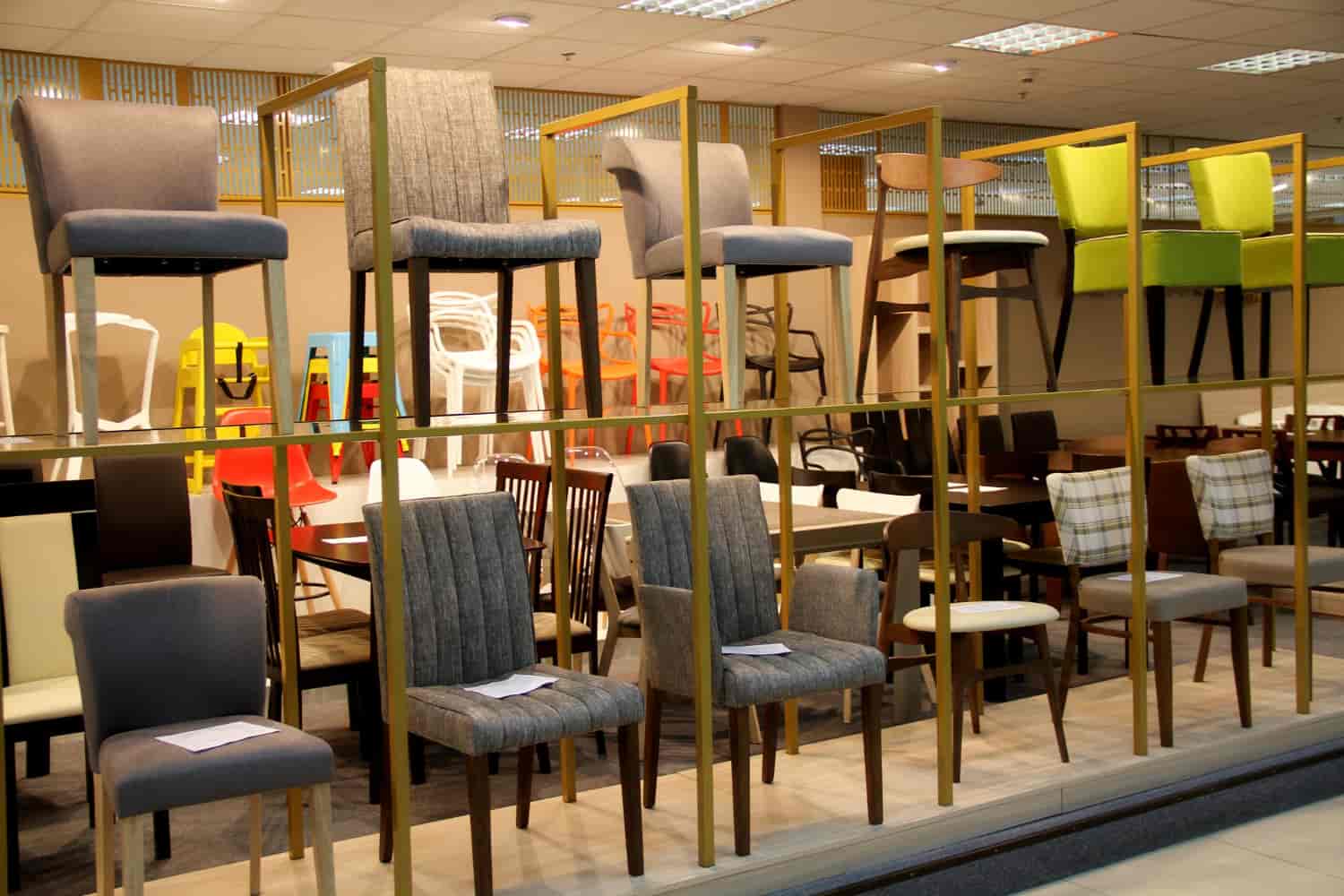
Selecting the wrong supplier can lead to serious project risks:
A professional restaurant furniture supplier for Ghana projects does more than just produce chairs and tables. They manage:
This is especially important in export-based projects where mistakes are costly and difficult to fix after delivery.
When sourcing for Ghana projects, you will typically encounter three types of suppliers:
For most professional projects, working directly with a manufacturer—especially from Turkey—offers the best balance between cost, quality, and reliability.
In many hotel restaurant projects, supplier-related problems are not caused by price differences, but by lack of production transparency and weak coordination between design and manufacturing.
A supplier without export experience can create major problems. You should always verify:
If you want to understand the full logistics side, you should also review this:
👉 Exporting hotel furniture from Turkey to Africa (internal support post)
Ghana’s climate is humid and can be challenging for furniture materials.
Selecting the right restaurant furniture materials ghana is essential to ensure durability, moisture resistance, and long-term performance in hospitality environments. Your supplier must understand:
Using low-quality materials may reduce upfront cost but will increase replacement costs within 1–2 years.
Every restaurant concept is different. A good supplier should offer:
Standard furniture rarely works well for hotel restaurant projects.
For medium and large projects, production capacity is critical:
Always ask for factory details and production videos if possible.
Cheap quotes often hide risks such as:
A professional supplier provides a clear BOQ (Bill of Quantities) with detailed specifications. To better understand pricing structures, you should review the restaurant furniture cost Ghana in detail.
Understanding the restaurant furniture cost in Ghana is essential to evaluate whether a supplier’s quotation is realistic or misleading:
In most export-based restaurant projects, furniture production and shipping account for approximately 50–70% of total project timeline, making supplier selection a critical decision.
Turkey has become one of the strongest sourcing destinations for hospitality furniture. Many investors compare sourcing strategies before making a final decision, especially when analyzing restaurant furniture Ghana vs Turkey vs China.
Key advantages:
Many restaurant furniture suppliers for Ghana projects prefer Turkey because it offers a balanced combination of:
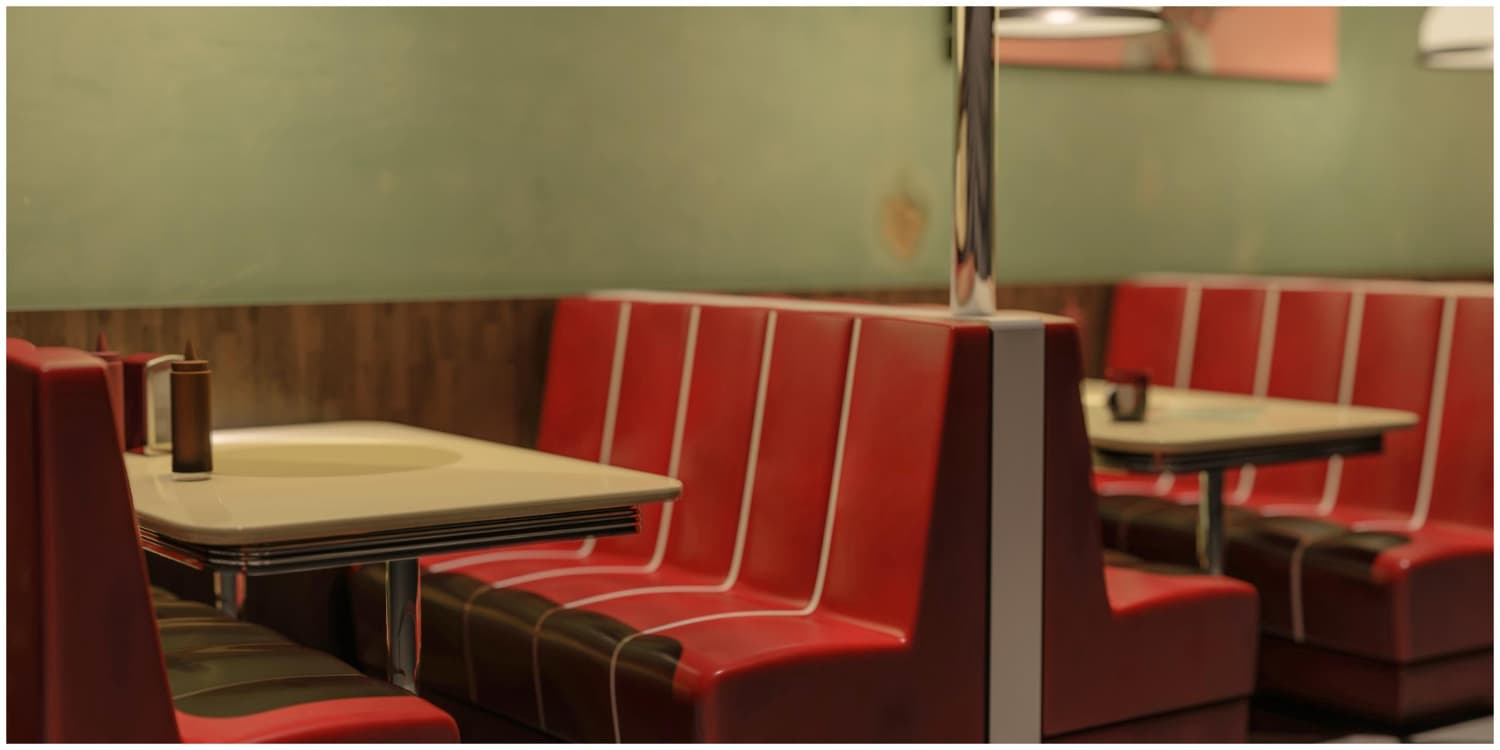
This scope typically reflects a complete restaurant furniture for hotel projects ghana approach, where all furniture categories must work together within the overall hotel concept.
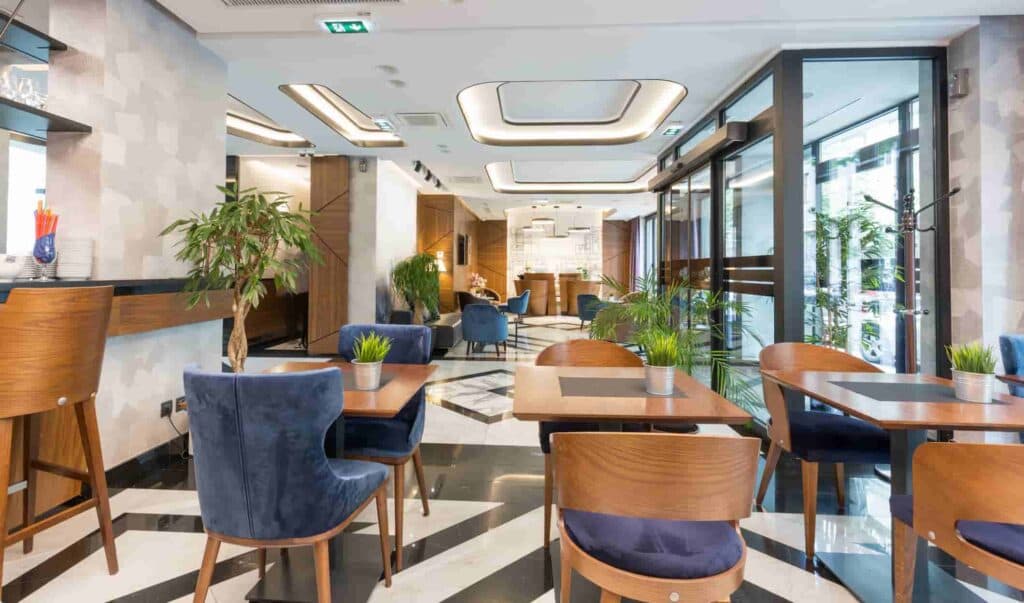
These elements must be planned within a structured restaurant seating layout ghana to ensure proper circulation flow, seating capacity, and operational efficiency in hotel restaurant projects.
When working with a supplier, your project scope usually includes:
Selecting the right restaurant chairs ghana is essential to ensure durability, comfort, and long-term performance in hotel restaurant environments.
Each item must be produced for commercial use, not residential standards.
This often leads to poor durability and higher long-term costs.
Incorrect packaging or documentation can delay shipments.
Always approve materials and finishes before production.
This leads to incomplete quotes and unexpected costs.
Most supplier-related failures in Ghana projects occur due to unclear specifications and poor communication during early project stages rather than manufacturing quality itself.
Restaurant furniture projects in Ghana involve multiple stages that must be planned in sequence — design approval, production, export packaging, sea freight, customs clearance, and site installation. Each stage has its own timeline and its own failure points if not coordinated correctly.
The most common cause of delays is not production — it is late design approvals and fragmented supplier coordination. Developers who lock specifications before contacting suppliers consistently hit better delivery dates than those who finalize designs during production.
When evaluating a supplier, ask specifically how they manage timeline risk: do they provide a production schedule with milestones? Do they flag design gaps before production begins rather than after? A supplier who cannot answer these questions with specifics is not operating at project management level.
For a detailed breakdown of production timelines, shipping costs, and total landed cost budgeting, see restaurant furniture cost Ghana.
Evaluating a restaurant furniture supplier requires more than comparing prices or product catalogs. Developers must assess production capability, export experience, material quality, and the supplier’s ability to manage project-based restaurant furniture requirements.
A reliable supplier should demonstrate proven experience in hospitality projects, provide detailed specifications, and maintain consistent quality across all furniture categories. Transparency in pricing, clear documentation, and structured production planning are also critical indicators of a professional partner.
Before making a final decision, developers should follow a structured restaurant furniture checklist Ghana to verify supplier capacity, material standards, production timeline, quality control, and export readiness.
Projects that apply a structured evaluation process significantly reduce risk and improve overall execution quality, especially in Ghana hospitality projects where delays, inconsistent quality, and weak documentation can create costly problems after production begins.
Ghana’s hospitality sector has shown consistent growth over the past decade, driven by increasing tourism, business travel, and urban development. Cities such as Accra, Tema, and Kumasi continue to attract both local and international hotel and restaurant investments, creating a strong demand for high-quality, durable furniture solutions.
For restaurant and hotel investors, this growth means one thing: long-term durability and professional-grade furniture are no longer optional—they are essential. Furniture used in hospitality environments must withstand heavy daily use while maintaining its visual appeal, especially in competitive urban markets.
Additionally, international brands entering Ghana are raising design and quality standards. This creates pressure on local businesses to upgrade their interiors, making the role of a reliable restaurant furniture supplier for Ghana projects even more critical.
To better understand tourism growth and investment trends, you can review official industry insights here:
This data helps investors make more informed decisions when planning restaurant concepts, budgeting furniture costs, and selecting long-term suppliers.
A reliable restaurant furniture supplier is not defined by price, but by their ability to manage the entire project process. From design coordination and material selection to production, quality control, and export logistics, every stage must be handled professionally.
Developers who prioritize experience, transparency, and structured production systems achieve better long-term results, while those who focus only on initial cost often face delays, inconsistencies, and higher overall expenses.
The right supplier is not just a vendor, but a project partner who directly influences the success of the entire hospitality investment.
Timeline depends on project scope and supplier. For a detailed breakdown
of production and shipping stages, see restaurant furniture cost Ghana.
For hotel and large-scale projects, custom production is almost always the right choice — it ensures dimensional fit, brand consistency, and
contract-grade durability. Standard catalogue furniture rarely meets
the specification requirements of a hotel dining environment.
You can reduce restaurant furniture cost in Ghana by optimizing material selection, standardizing designs, and planning production early. Using premium materials only on visible surfaces, producing in bulk, and working with experienced project-based manufacturers helps lower costs while maintaining durability and long-term performance.
The most common mistakes include focusing only on initial price, ignoring durability, underestimating logistics costs, and skipping proper planning. These issues often lead to higher long-term expenses, delays, and frequent replacements, especially in high-traffic restaurant and hotel environments.
WhatsApp us