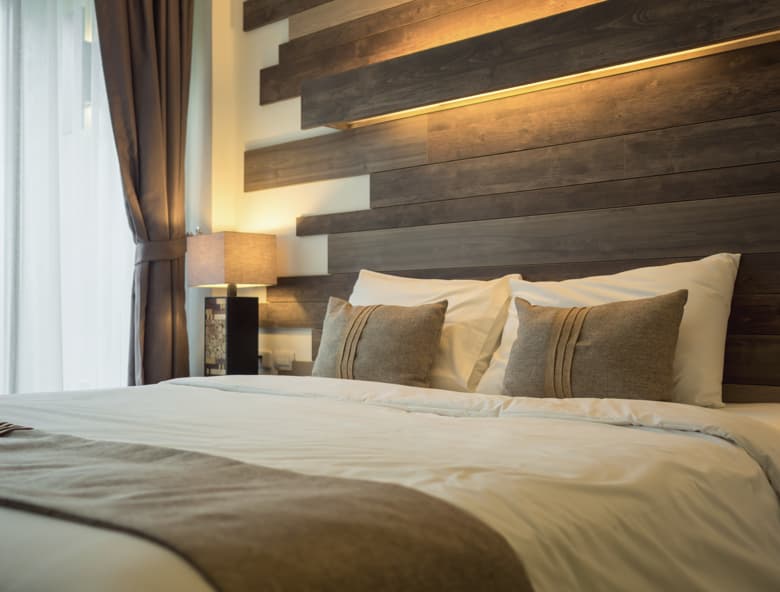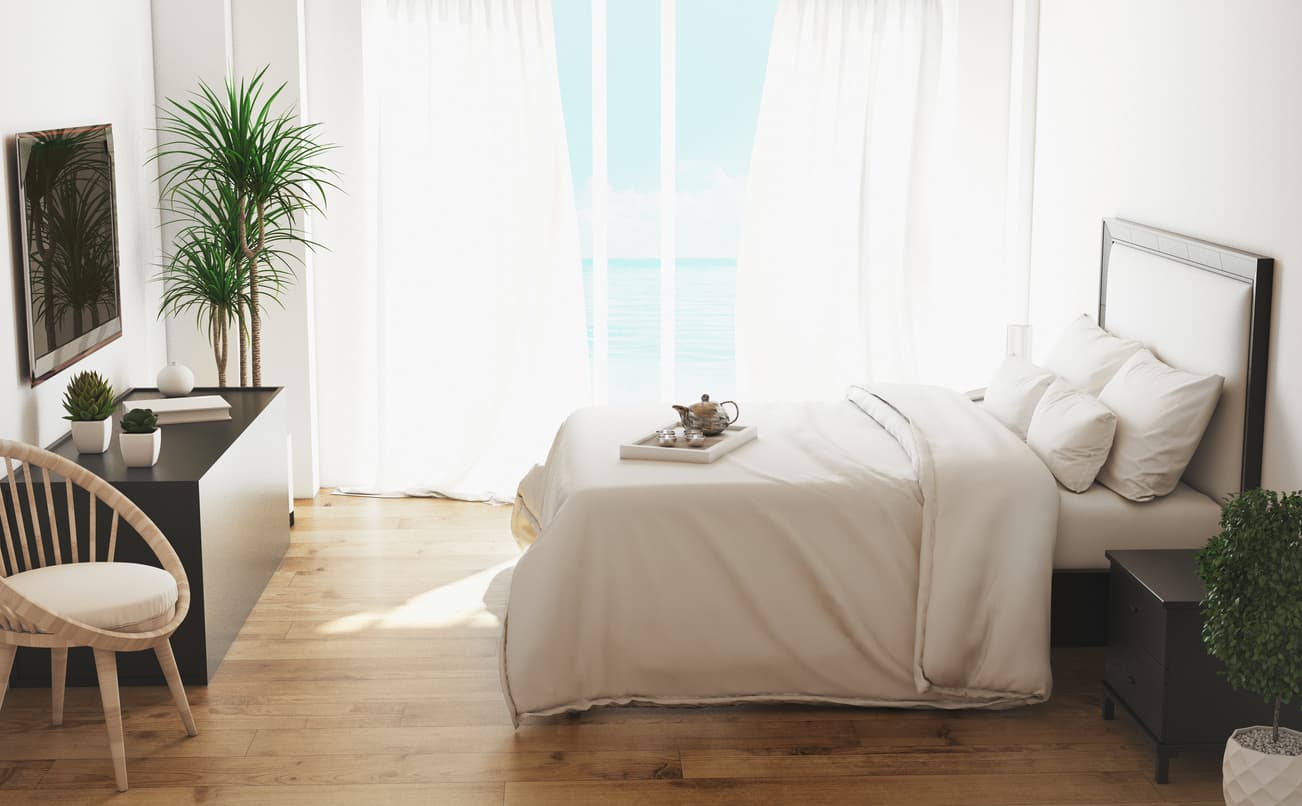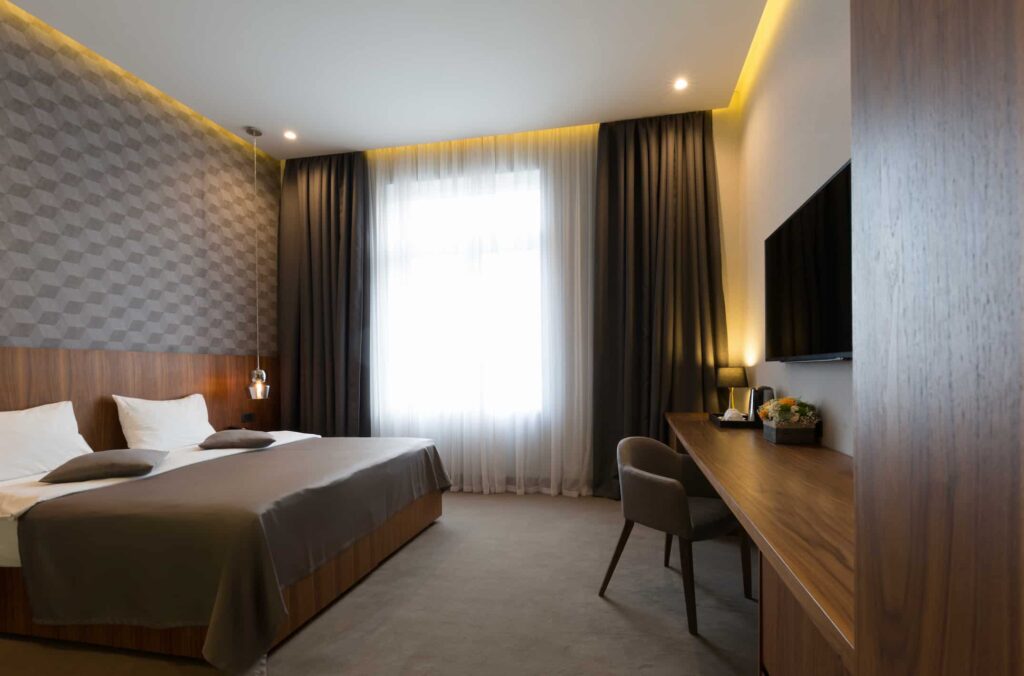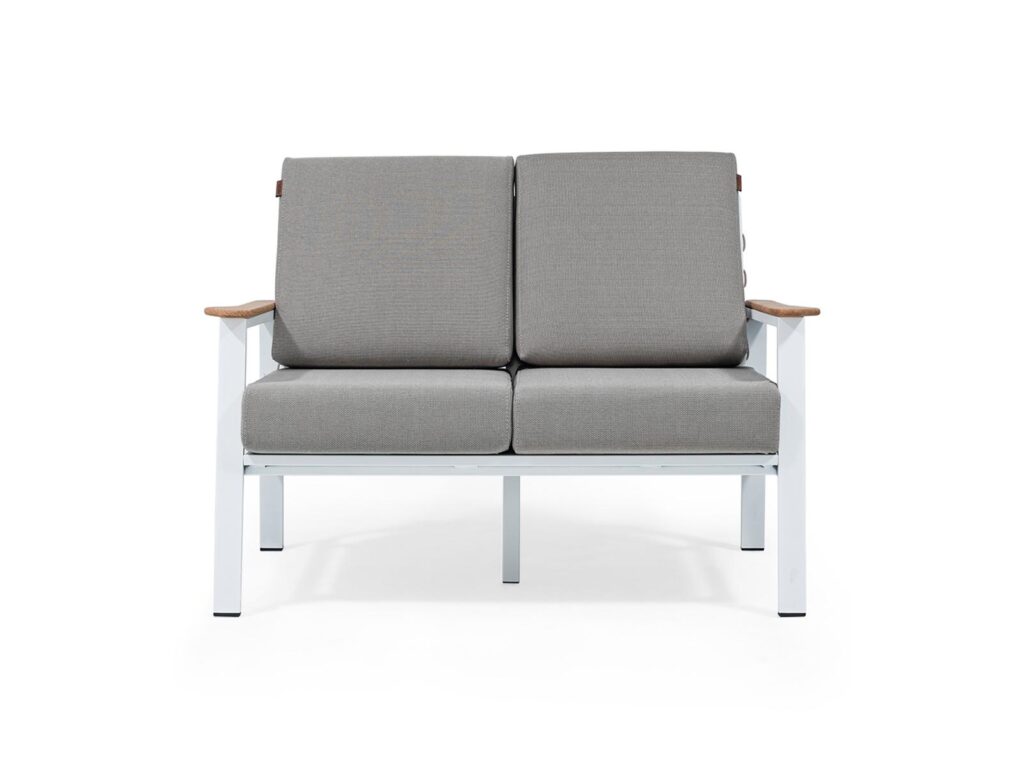
Hotel furniture design planning Ghana is not just a design phase — it is the foundation that determines how a hotel performs, operates, and generates revenue over time. In many projects, design decisions directly impact maintenance costs, service efficiency, and guest satisfaction, making planning a critical business decision rather than a purely visual process.
To achieve successful outcomes, furniture planning must be integrated with core project elements such as hotel contract furniture Ghana, overall hotel furniture Ghana requirements, and functional areas like restaurant furniture Ghana. At the same time, sourcing strategies such as export hotel furniture to Ghana and production capabilities like hotel furniture manufacturing Turkey Ghana must be aligned to ensure a fully coordinated project from concept to delivery. For product-level specification across guest rooms and public areas, see hotel guest room furniture specification. For guidance on finding and evaluating Turkish manufacturers, see hotel furniture suppliers Turkey.
Without this level of coordination, even well-designed hotel projects can face delays, inconsistencies, and increased operational costs. A structured planning approach ensures that design, production, and execution work together seamlessly for long-term performance.
In Ghana’s competitive hospitality market, hotels that invest in structured furniture planning achieve better operational efficiency, lower maintenance costs, and stronger long-term profitability compared to projects that approach design only from an aesthetic perspective.
Quick Answer:
Hotel furniture design planning Ghana involves space planning, FF&E coordination, material selection, and supplier alignment to ensure efficient operations, long-term durability, and consistent guest experience.
Hotel furniture design planning in Ghana refers to the structured process of organizing space, furniture, materials, and supplier coordination to ensure efficient hotel operations, long-term durability, and consistent guest experience.
Hotel projects in Ghana operate under a specific combination of conditions that make structured furniture planning more consequential than in most other markets. High ambient humidity accelerates material deterioration. Intensive daily usage across all-day-service hotel operations puts furniture under commercial stress that residential-grade pieces are not engineered to handle. Diverse guest expectations — from domestic business travellers to international leisure guests — require spaces that perform across different use patterns. And mixed-use hospitality spaces, where the same area transitions from breakfast service to meeting setup to evening dining, demand furniture that supports reconfiguration without showing wear.
Without proper planning, these conditions produce predictable problems. Poor space utilisation reduces the revenue-generating capacity of every area. High maintenance costs compound as furniture specified for the wrong conditions deteriorates faster than the replacement budget anticipated. Inefficient service flow increases operational labour costs and reduces guest satisfaction scores. Frequent furniture replacement — the most visible consequence of planning failure — disrupts operations and generates costs that consistently exceed the savings made by specifying incorrectly at the outset. This is why professional hotel furniture space planning must be integrated at the earliest stage of the project, not introduced after the design concept has been developed in isolation from operational requirements.
In Ghana’s competitive hospitality market, hotels that invest in structured furniture planning achieve better operational efficiency, lower maintenance costs, and stronger long-term profitability compared to projects that approach design only from an aesthetic perspective. The properties gaining ground in Accra, Kumasi, and Takoradi are not necessarily the ones that spent the most on furniture — they are the ones that specified correctly from the start, aligned design decisions with operational requirements, and treated furniture planning as a business decision rather than a purely visual one.
Space planning defines how efficiently a hotel operates. It determines how guests interact with the space, how staff perform daily tasks, and how much revenue each area can generate per square metre. A structured hotel room layout Ghana approach ensures efficient furniture placement, comfortable circulation, functional zoning, and a balanced visual composition that serves both guest experience and operational performance.
Effective space planning in hotel projects is built on four principles that must work together rather than be applied independently. Circulation must allow both guests and staff to move naturally without congestion — a corridor that is 10cm too narrow for a housekeeping trolley creates daily operational friction that compounds across thousands of room turnovers. Functional zoning ensures that each area serves a clearly defined purpose, with transitions between zones that feel deliberate rather than accidental. Space optimisation in Ghana hotel projects, where building footprints are often fixed by the development site, means extracting maximum usable area from every square metre without creating spaces that feel crowded. And the balance between aesthetics and usability must be maintained throughout — design decisions that sacrifice functionality for visual appeal consistently create long-term operational challenges that show up in maintenance costs and staff efficiency rather than in design reviews.
In many hotel projects in Ghana, furniture is specified before the space planning is finalised — and the conflict between the two creates installation problems that are expensive to correct. A wardrobe specified at standard dimensions for a room where the alcove was built 80mm narrower than the design drawing cannot be corrected on site. A desk positioned on the drawing without accounting for the electrical conduit routing behind it requires surface-mounted cabling that is both visible and permanent. The correct sequence is space planning first, furniture specification second — and every deviation from this sequence creates a category of problem that could have been prevented at no additional cost.
In many hotel projects, inefficient space planning increases operational workload more than staffing levels, directly impacting service quality and costs. A room layout that requires housekeeping to move furniture to clean behind it adds minutes to every room turnover — across 100 rooms at three turnovers per week, that is hours of additional labour cost per month that no amount of operational efficiency training can eliminate. Plan the space so that the furniture works with the operational workflow, not against it.
Effective space planning in hotel projects is built on a combination of circulation flow, functional zoning, space optimization, and the balance between aesthetics and usability. Circulation must allow both guests and staff to move naturally without congestion, while zoning ensures that each area serves a clearly defined purpose.
In Ghana hotel projects, where space efficiency directly affects operational performance, optimizing layout without compromising comfort is essential. At the same time, design decisions must not sacrifice functionality for visual appeal, as poorly balanced spaces often lead to long-term operational challenges.
A professional hotel FF&E planning process requires detailed coordination between specifications, quantities, materials, and budget constraints. Each furniture item must be clearly defined in terms of dimensions, materials, and performance requirements to ensure consistency during production — and those definitions must be in place before any supplier is approached for quotation.
FF&E planning is not a list of furniture items. It is a coordinated system that connects design intent to production reality across every zone of the hotel. Quantity planning must align with layout decisions — a floor plan that shows 4-top tables in a restaurant needs to be confirmed as a production quantity before the manufacturer is briefed, because changing from 4-top to 2-top tables after production begins adds weeks and cost to the schedule. Material selection directly impacts durability, maintenance requirements, and total landed cost — and those implications must be understood before material choices are made, not after samples are approved. Budget alignment ensures that all design elements work together without creating cost overruns at the production stage, which is where most Ghana hotel project budgets diverge from their original projections.
Without structured FF&E planning, budgets become unpredictable because the full scope of the order is never clearly defined before quotations are obtained. Procurement becomes inefficient because specification changes during production add cost and time in a supply chain that runs 14 to 18 weeks from brief to installation. Design consistency is lost because pieces specified at different stages of the project — some early when the concept was clear, some late when time pressure forced quick decisions — arrive with finish variations, dimensional conflicts, and hardware mismatches that are only visible when furniture is installed in finished rooms. This is especially consequential in Ghana, where furniture is imported and every correction cycle runs weeks, not days.
A typical Ghana hotel project FF&E scope covers guest room furniture — the highest-volume category requiring the most precise specification for consistency across all rooms — lobby and lounge furniture where brand impression and durability under foot traffic are the primary requirements, restaurant and bar furniture where structural rigidity and surface cleanability determine operational performance, and outdoor furniture where material selection for UV resistance and corrosion protection is the defining specification decision. Each category requires a different planning approach, different material logic, and in most cases a different production specification — treating them as a single undifferentiated order produces compromises that serve none of them well.
A typical hotel project includes:
Each category requires a different planning approach.
In Ghana hotel projects, zoning decisions for outdoor and terrace areas are consistently underplanned relative to their revenue contribution. A well-specified terrace dining area in Accra or a poolside lounge at a coastal resort generates revenue per square metre comparable to the best-performing interior zones — but only if the furniture is specified for outdoor conditions from the start. Furniture specified for interior use installed in outdoor zones in Ghana shows visible deterioration within the first humid season, creating a guest experience failure in one of the property’s highest-value areas.
A concept must be transformed into:
Without proper translation, the project loses consistency during execution.
A successful hotel project follows a structured workflow:
Each phase must be aligned to avoid delays and inconsistencies.
The most common design mistake in Ghana hotel projects is completing the interior design concept without confirming material specifications against Ghana’s climate requirements. A design that looks correct on a mood board and in a European showroom sample can produce systematic material failures across an entire property when the same finishes are installed in coastal Accra conditions. Climate-adjusted specification is not a modification of the design — it is a prerequisite for the design performing as intended.
Material choice is not a finishing decision in hotel design planning — it is a foundational one that determines operational performance, maintenance requirements, and total lifecycle cost before a single piece of furniture is produced. In Ghana hotel projects, where all furniture is imported and correction cycles run 12 to 14 weeks, material specification errors discovered after delivery are among the most expensive problems a developer can face.
Moisture resistance is the primary material selection criterion for Ghana hotel projects — not aesthetics, not cost, and not availability. A surface finish that cannot maintain its integrity in Ghana’s coastal humidity will deteriorate visibly within the first operating year regardless of how well it photographs in a showroom. HPL at minimum 0.8mm thickness on MR-MDF substrate is the baseline specification for all casegoods in coastal Ghana properties — it resists moisture contact, cleaning chemical exposure, and the surface abrasion of daily hotel use better than any alternative at a comparable cost point. Surface durability under heavy use is the second criterion — hotel surfaces receive daily contact from guests, cleaning products, and incidental impacts that residential surfaces are not designed to handle. Maintenance requirements must also be factored into material selection at the design stage, not after installation — a material that requires specialist cleaning products or periodic refinishing creates operational complexity that most Ghana hotel properties are not resourced to manage consistently.
Material selection must serve the design concept while meeting the performance requirements of the hotel zone it will occupy. A boutique hotel concept that calls for warm wood tones is achievable in Ghana’s coastal conditions — but only with kiln-dried hardwood at correct moisture content, a closed-pore lacquer finish system of minimum three coats, and UV-stabilised topcoat for pieces near windows. A contemporary concept that calls for a matte lacquered surface is achievable — but only with a minimum three-coat high-solids lacquer with a UV-stabilised topcoat that prevents yellowing. Understanding hotel contract furniture materials Ghana projects require is essential to ensure that the design concept and the performance specification align before production begins — not after delivery reveals the gap between them.
Two materials consistently cause problems when specified for Ghana hotel projects without climate adjustment: standard MDF without moisture-resistant treatment and natural rattan for outdoor use. Both look acceptable in product photographs and showroom samples. Both fail visibly within the first humid season in coastal Ghana conditions. Specifying MR-MDF throughout — including internal panels not visible in normal use — and synthetic rattan (HDPE-based) for all outdoor applications adds a modest cost at procurement and eliminates two of the most common and most expensive material failure categories in Ghana hotel projects.
Design decisions directly impact project costs — and in Ghana hotel projects, where furniture is imported and the gap between factory price and total landed cost runs 35 to 50 percent, cost misalignment at the design stage creates budget problems that cannot be corrected without redesigning pieces after samples have been approved. Reviewing hotel furniture cost in Ghana early in the planning process ensures the design remains within budget before it becomes a production brief.
Material selection is the design decision with the largest direct cost implication. The difference between HPL on MR-MDF and veneer on MR-MDF for the same wardrobe configuration runs 15 to 25 percent in production cost — a difference that multiplies across 100 rooms into a significant budget variance. Production complexity is the second major cost driver — a wardrobe with a standard rectilinear profile costs less to produce than a wardrobe with radius-rounded corners, and an upholstered headboard with a simple rectangular panel costs less than one with a shaped profile and contrast piping. These are design decisions, made at the concept stage, that translate directly into production cost differences that the budget must accommodate. Installation requirements — whether professional installation is budgeted as a line item or assumed to be absorbed by the main contractor — add 5 to 8 percent to the total landed cost and are consistently omitted from initial project budgets.
The most effective cost alignment strategy in Ghana hotel design planning is to invest in high-visibility areas — lobby, restaurant entrance, feature walls — while optimising specification in lower-visibility areas like wardrobe interiors, back-of-house storage, and corridor furniture. This approach maintains the visual quality that drives guest satisfaction and online review scores while managing total project cost within the budget. Combining custom production for signature pieces with standard contract catalogue pieces for functional items achieves both design distinctiveness and cost efficiency. The mistake to avoid is making the same cost-reduction decision uniformly across all areas — reducing specification in the lobby or restaurant to save budget produces a visible quality drop in the spaces that form the guest’s first and last impression of the property.
Poor design decisions — specifying materials that fail in Ghana’s climate, choosing production complexity that inflates cost without improving performance, or underestimating installation requirements — can increase total project cost by 15 to 25 percent through rework, material inefficiencies, and operational limitations. The design planning stage is the lowest-cost point in the entire project to make correct decisions. Every incorrect decision made at design stage costs more to correct at every subsequent stage.
Basic space planning is not enough for modern hotel projects in competitive markets like Ghana. Advanced planning strategies create a measurable advantage in both guest experience and operational efficiency — particularly in properties where building footprints are fixed and every square metre must generate maximum value.
Modern hotels increasingly use furniture that serves more than one purpose — and this approach is particularly effective in Ghana hotel projects where room footprints are often constrained and the pressure to maximise usable space is real. Beds with integrated storage eliminate the need for a separate luggage rack and provide guests with additional concealed storage that improves room tidiness scores in online reviews. Modular seating systems in lobby and lounge areas can be reconfigured from individual seating to group arrangements without additional furniture, allowing a single furniture investment to serve multiple operational scenarios. Flexible workspace solutions — desks that extend or fold, chair configurations that convert from work to lounge positions — serve the mixed-use patterns of modern hotel guests who work, relax, and video-call from the same space during a single stay. These solutions are especially effective in compact hotel room layout Ghana applications, where maximising functionality within limited square metreage is the primary design challenge.
Storage is consistently underestimated in Ghana hotel design planning — both in quantity and in how it is integrated into the furniture design. Effective storage solutions use vertical space that standard wardrobe configurations leave unused, incorporate hidden compartments for items guests prefer to conceal (chargers, toiletry bags, personal documents), and position high-use storage at heights that do not require guests to reach uncomfortably or bend awkwardly. Built-in storage units that extend to ceiling height eliminate the dust-accumulating gap above standard wardrobes, reduce the surface area that housekeeping must clean, and provide additional usable storage that guests notice positively in reviews. In compact rooms, the difference between a well-planned storage configuration and a standard one can be the difference between a room that feels adequate and one that feels genuinely spacious — without changing the room dimensions.
A well-planned layout reduces housekeeping time, improves service flow, and enhances staff productivity in ways that compound across thousands of room turnovers over the hotel’s operating life. Furniture positioned to allow housekeeping access without moving pieces reduces turnover time per room. Restaurant layouts where waiter circulation routes do not cross guest circulation routes reduce service errors and increase covers per service period. Lobby layouts where the check-in desk, luggage storage, and seating zone are positioned to support a logical guest arrival sequence reduce front desk congestion during peak arrival times. These operational efficiency gains are not visible in a rendered floor plan — they are visible in labour cost per room, covers per service hour, and guest satisfaction scores. They are planned at the design stage and locked in at the furniture specification stage.
Design directly impacts how a hotel operates — and the operational consequences of design decisions are rarely visible until the hotel opens. A layout that looks efficient on a floor plan can create daily friction in housekeeping, service delivery, and guest movement that adds hours of operational cost per week across the property’s lifetime. A layout that is planned with operational workflow as a primary criterion eliminates that friction before it is built in.
Service efficiency depends on movement design — specifically on how staff circulation routes are planned in relation to guest circulation routes and key operational access points. In hotel restaurant areas, the most critical service flow consideration is the separation of waiter circulation paths from guest circulation paths: waiters carrying plates and glasses need clear, predictable routes between the kitchen access and every table position, without crossing guest movement paths that are inherently unpredictable. In guest room corridors, housekeeping trolley width determines the minimum corridor clearance, and furniture or decorative elements that reduce that clearance below the operational minimum create daily friction that shows up in housekeeping time-per-room metrics. In lobby areas, the positioning of the check-in desk relative to the entrance, elevator bank, and seating zone determines the quality of the arrival experience for every guest — and a desk position that requires guests to cross the seating zone to reach check-in creates congestion during peak arrival periods that no amount of front desk staffing can eliminate. This is particularly critical in dining areas, where a properly planned restaurant seating layout Ghana directly influences both customer experience and revenue per service period.
Even the best design fails without proper execution — and execution depends on the alignment between designers, contractors, and manufacturers throughout the production and installation process. Successful projects require that the designer’s intent is translated into a specification that the manufacturer can execute precisely, that the manufacturer’s shop drawings are reviewed and approved by the designer before production begins, and that the installation contractor receives technical drawings for each piece type before installation starts. Working with an experienced hotel furniture suppliers Turkey ensures accurate production to specification, material consistency across the full production run, and timely delivery coordinated with the construction schedule. The gap between design intent and delivered result — the most common source of project disappointment in Ghana hotel furniture procurement — is eliminated by structured coordination between these three parties, not by any one of them working independently at a higher quality level.
Most delays in Ghana hotel projects are not caused by production, but by late approvals and lack of coordination between design and suppliers. The most effective coordination step — sharing the furniture manufacturer’s shop drawings with the electrical contractor before first-fix electrical work begins — costs nothing to implement and prevents the power integration failures (conduit positions that do not align with desk and nightstand grommets) that require replastering and rerouting to correct after wall finishes are applied.
Even the best design fails without proper execution.
Successful projects require alignment between:
Working with an experienced hotel contract furniture supplier ghana ensures:
Material selection in hotel design planning must be based on performance under operational conditions, not on appearance in a showroom sample or cost in a factory quotation. In Ghana hotel projects, where all furniture is imported and the correction cycle for material failures runs 12 to 14 weeks, a material strategy that is not calibrated to Ghana’s specific conditions produces failures that are both expensive and operationally disruptive.
Resistance to humidity is the primary performance requirement for all materials used in Ghana hotel furniture — not as a premium specification but as a baseline requirement. MR-MDF throughout all panel-based casegoods, 2mm ABS edge banding on all exposed panel edges, closed-pore lacquer systems on all wood-based surfaces, and corrosion-protected hardware in all coastal locations are not upgrades — they are the minimum specification for furniture that will perform through Ghana’s ambient humidity conditions for the expected replacement cycle. Durability under heavy use is the second performance requirement — hotel furniture in Ghana operates under commercial usage loads that residential specification cannot sustain. Contract-grade foam at minimum 40kg/m³ density, fabric rated at minimum 30,000 Martindale cycles for three-star properties and 50,000 cycles for four-star and above, and hardware with documented cycle ratings from named manufacturers are the performance benchmarks that define contract grade in the Ghana hospitality context. Ease of maintenance is the third performance requirement — materials that require specialist cleaning products, periodic refinishing, or trained maintenance technicians create operational complexity that most Ghana hotel properties cannot sustain consistently over a 5 to 10 year replacement cycle.
A material strategy that prioritises initial cost over performance consistently produces higher total lifecycle costs in Ghana hotel projects. A surface finish that costs 20 percent less at procurement but requires replacement at year 2 rather than year 7 costs more over the hotel’s operating life than the higher-specification alternative — and the replacement occurs during hotel operation, with the disruption cost of out-of-service rooms added to the direct replacement cost. The correct framework for material strategy in Ghana hotel design planning is total cost of ownership over the expected replacement cycle — not unit cost at procurement. Understanding hotel contract furniture materials Ghana projects require, and applying that understanding at the design stage rather than the procurement stage, is the single most impactful decision available to a Ghana hotel developer in terms of long-term project financial performance.
Risk Insight
In Ghana’s climate, poor material choices lead to surface damage, structural failure, and increased maintenance costs that compound over the hotel’s operating life. The materials that fail most consistently — standard MDF in coastal humidity, natural rattan in outdoor conditions, standard steel hardware in salt air environments — all look acceptable at delivery. Their failure mode is gradual and becomes visible 12 to 24 months into hotel operation, at which point correction requires new production from Turkey and a 12 to 14 week disruption. Specifying correctly at the design stage prevents this category of failure entirely.
Many hotel projects in Ghana face their most costly problems not during design or production, but during the installation phase — when decisions made months earlier reveal their consequences in finished rooms. Installation planning is not a logistics question. It is the final quality control stage of the entire furniture procurement process, and it must be planned with the same discipline as specification and production.
Proper sequencing of installation determines whether furniture arrives in finished rooms or into active construction zones. The installation sequence must be confirmed with the main contractor before the container is booked — rooms must be clean, painted, and with floor finishes complete before furniture enters. Protection of finished surfaces during furniture delivery and assembly requires surface protection materials on floors and walls before any cartons are opened — furniture installation in rooms where floor tiles and painted walls are unprotected consistently produces damage that is expensive to repair and impossible to conceal. Coordination with contractors must cover the electrical contractor (power outlet and conduit positions confirmed against desk and nightstand drawings before first-fix electrical work), the main contractor (room readiness sequence confirmed against the installation schedule), and the FF&E installation team (technical drawings for each piece type provided before installation begins, not handed over on the day).
Surface damage during assembly is the most common installation problem in Ghana hotel projects — and the most preventable. Carton-opening with blades instead of scissors, dragging furniture across unprotected tile floors, and leaning assembled pieces against painted walls before they are positioned all produce damage that is visible to every guest who enters the room. Incorrect installation — wardrobe hinges adjusted to the wrong resistance, drawer slides not fully extended before the drawer is loaded, bed base legs not tightened to the correct torque — produces functional failures within weeks of hotel opening that are attributed to manufacturing quality when they are installation quality failures. Missing components discovered during installation — hardware packs missing from cartons, assembly tools not included, fixing bolts incorrectly sorted — delay installation room by room, compressing the schedule and increasing the pressure that leads to the rushed assembly that produces the incorrect installation problems described above. Every one of these problems is preventable with a pre-installation checklist completed before the first carton is opened in the first room.
Before installation begins: confirm room readiness with main contractor (floor finishes complete, painting complete, electrical outlets installed at confirmed positions); place floor and wall protection materials before any cartons enter the room; verify hardware packs against the BOQ for each piece type before assembly begins; confirm technical drawings are available for the installation team for every piece type; establish a punch list process for recording installation defects before the installation team leaves the floor.
Time management is critical in Ghana hotel projects — particularly when furniture is imported from Turkey and every stage of the procurement process has a defined duration that cannot be compressed without creating risk. The most consistent cause of hotel opening delays in Ghana is not construction overrun — it is furniture procurement that started too late and cannot recover the lost time without compromising quality at the sample approval or production stage.
A realistic procurement timeline for hotel furniture from a Turkish manufacturer for a Ghana project covers eight stages in sequence. Design and planning — 2 to 4 weeks — requires confirmed room layouts and material selections before any supplier is approached. BOQ preparation and supplier briefing — 1 to 2 weeks — requires the design phase to be complete and the specification to be locked. Supplier selection and contract signing — 2 to 3 weeks — requires a complete BOQ that can be quoted accurately by multiple manufacturers. Sample production and approval — 2 to 4 weeks — requires a signed contract and deposit payment. Mass production — 4 to 8 weeks depending on project scale — requires samples approved in writing before production is released. Sea freight from Turkey to Tema Port — 3 to 4 weeks. Customs clearance at Tema — 1 to 2 weeks under normal conditions. Inland delivery and installation — 1 to 2 weeks, requiring site rooms confirmed ready before the container departs Turkey. The total timeline from design completion to furniture installed runs 16 to 25 weeks in a well-managed project.
Late approvals are the most common cause of timeline overrun in Ghana hotel furniture projects — specifically, design approvals that extend the planning phase, sample approvals that delay mass production release, and pre-shipment inspection sign-offs that hold container loading. Each week of approval delay at the sample stage adds one week to the delivery date, which in a project with a fixed opening date means one week less for installation — the phase where time pressure produces quality failures. Design revisions after the BOQ has been sent to manufacturers require either a revised BOQ and new quotation round (adding 2 to 3 weeks) or a change order against a signed contract (adding cost and typically time). Supplier coordination issues — communication gaps between the developer, the manufacturer, the freight forwarder, and the clearing agent — produce the documentation errors and container booking delays that add days to each logistics stage. A structured hotel FF&E planning process that defines approval milestones, assigns responsibility for each decision, and confirms the timeline against the opening date before the first supplier is contacted prevents the majority of these delays.
The furniture procurement process for a Ghana hotel project must start no later than 6 months before the planned opening date — and 7 to 8 months is a more comfortable planning horizon for projects above 80 rooms or with significant custom production requirements. A developer who begins supplier briefing 4 months before opening has already compressed the sample approval and production stages to below their minimum viable duration, and is managing timeline risk rather than preventing it from the start of the process.
Consistency is one of the most important elements of a successful hotel project — and one of the most frequently compromised. In Ghana hotel projects where furniture is produced in Turkey and arrives in a single container, finish variations, dimensional inconsistencies, and hardware mismatches between pieces that were supposed to match are discovered at installation, when correction requires new production and another 12 to 14 week cycle.
Using a unified material palette is the foundation of design consistency — all guest room casegoods produced from the same HPL or veneer batch, using the same hardware references, and finished to the same colour standard. A nightstand produced in a different material batch from the wardrobe in the same room — even using the same finish code — may show a perceptible colour variation under the room’s lighting that guests notice and photograph. Applying a consistent colour scheme confirmed against physical swatches under the room’s ambient lighting conditions before production is approved eliminates the most common source of finish inconsistency complaints at delivery. Maintaining a clear design language — defined proportions, consistent edge profiles, unified hardware family — across all furniture zones means that the guest room casegoods, lobby seating, and restaurant furniture all read as part of a coordinated design rather than a collection of separately sourced pieces. This consistency is visible to guests, visible in room photography, and visible in online reviews — and it is only achievable through project-based production from a single manufacturer on a single coordinated production run.
Consistency is maintained through three practical controls that must be built into the production contract before manufacturing begins. First, all items in the project must be produced in a single production run from the same material batches — not in sequential runs that risk batch variation. Second, the approved sample for each piece type becomes the reference standard against which pre-shipment inspection is conducted — not the BOQ drawing, not the factory’s own quality standard, but the specific approved sample that the developer signed off. Third, the manufacturer must archive all material references, finish codes, and hardware part numbers from the production run for a defined period — typically five years — so that replacement orders can be matched to the original production standard. Manufacturers who cannot commit to these three controls are not set up to deliver the consistency that a hotel project requires.
Before production is released, confirm: all pieces in the project are scheduled for the same production run from the same material batches; approved sample for each piece type is photographed, measured, and documented as the pre-shipment inspection reference standard; finish codes and material references are recorded in the production contract with an archiving commitment from the manufacturer; hardware part numbers and brand references are listed in the BOQ and confirmed in the production sample before mass production begins.
Real-world hotel projects in Ghana consistently show that the main challenges are not related to design creativity or budget level — they are execution gaps between planning and production. The properties that perform best operationally are not the ones that spent the most on furniture. They are the ones that planned most carefully before approaching any manufacturer.
Lack of structured planning is the most consistent failure pattern. Projects that begin supplier conversations before room layouts are finalised produce specification changes during production that add cost and time. Projects that approach manufacturers with a design concept rather than a BOQ receive estimates rather than quotes — and those estimates inflate as the scope becomes clear, creating a negotiation dynamic where the developer is always reacting to revised numbers rather than comparing defined offers. Misalignment between designers and manufacturers — where the interior designer’s intent is communicated through mood boards and finish samples rather than through precise specification documents — produces finish variations and dimensional inconsistencies that are only discovered at installation, 14 weeks after the production decision was made. Incorrect material choices, driven by cost or availability rather than performance in Ghana’s climate, produce the most visible failures: surface delamination, hinge corrosion, fabric deterioration that generates consistent negative guest feedback from the first operating year.
Successful projects share a common approach: strong planning combined with experienced partners who understand both design intent and production reality. The developers who deliver Ghana hotel projects on time, within budget, and to specification consistently do the same things — they finalise room layouts before approaching manufacturers, they prepare complete BOQs before requesting quotations, they approve project-specific samples before releasing mass production, and they coordinate with the electrical contractor before first-fix work begins. These are not complicated interventions. They are sequencing and coordination disciplines that cost nothing to implement and prevent the majority of problems that Ghana hotel furniture projects encounter.
Projects that invest in early-stage coordination between designers, manufacturers, and construction contractors typically achieve faster timelines, fewer specification defects, and more consistent results across all rooms and public areas. The most effective coordination step costs nothing: share the furniture manufacturer’s shop drawings with the electrical and construction contractors before any first-fix work begins. This single step prevents the power integration failures, wardrobe alcove conflicts, and conduit misalignment problems that produce permanent visible installation failures in finished hotel rooms.
Design does not end after installation. A hotel furniture design planning Ghana strategy that does not include a maintenance plan is a strategy that accepts accelerated deterioration as an operational given. In Ghana’s climate, furniture that is correctly specified and correctly installed but incorrectly maintained will fail faster than furniture that was slightly under-specified but maintained correctly — and the difference between a proactive and reactive maintenance approach is visible in furniture lifespan, guest satisfaction scores, and replacement cycle costs.
Instead of reactive maintenance — responding to failures after they become visible — successful Ghana hotel projects implement structured maintenance strategies that include regular inspection routines, correct cleaning methods, and immediate corrective actions when early-stage deterioration is identified. Quarterly inspection routines covering hinges, drawer mechanisms, castors, upholstery seams, and surface finishes cost almost nothing to run and consistently extend furniture lifespan by two to three years compared to reactive maintenance alone. A wardrobe door with a loose hinge that is identified and corrected at the quarterly inspection costs minutes to fix. The same hinge, left to deteriorate for three months of daily use before a guest reports it, produces a damaged frame fixing point that requires the entire door and hinge assembly to be replaced. Correct cleaning methods must be defined for each surface type and communicated to housekeeping teams before the hotel opens — commercial cleaning products appropriate for tile floors can damage HPL surfaces and lacquered finishes if applied incorrectly, and the damage accumulates gradually across entire room zones before it becomes visible enough to report.
Ghana’s coastal humidity creates specific maintenance requirements that inland hotel markets do not face at the same intensity. Managing humidity exposure means ensuring that air conditioning systems in guest rooms maintain ambient humidity below the threshold at which moisture-related deterioration accelerates — typically below 65 percent relative humidity. Rooms left unoccupied with air conditioning off accumulate humidity that affects casegoods finishes, upholstery, and hardware over time. Avoiding water damage requires housekeeping protocols that prevent wet cleaning methods on wood-based surfaces and ensure that bathroom splash zones are not routinely exposing adjacent furniture to direct moisture contact. Using protective finishes — periodic application of appropriate surface protection products on wood-based casegoods, leather conditioning for upholstered pieces in coastal locations, hardware lubrication for hinges and drawer slides — extends furniture lifespan in Ghana’s conditions by a measurable margin. A well-planned maintenance strategy, defined at the design stage and implemented from the first day of hotel operation, can significantly extend furniture lifespan and reduce the total replacement cost over the hotel’s operating life.
In Ghana’s coastal hotel properties, the single most impactful maintenance decision is establishing a quarterly inspection routine before the hotel opens — not after the first failures are reported. The inspection covers hinges, drawer slides, upholstery seams, surface finishes, and hardware fixings. Problems identified at the quarterly inspection are corrected in minutes. The same problems identified six months later, after continued use has compounded the initial failure, require piece replacement rather than adjustment. The cost difference between these two outcomes is the entire justification for a maintenance programme that costs almost nothing to run.
A successful hotel furniture design planning Ghana strategy is built on the integration of planning, material selection, supplier coordination, and execution — working together as a unified system rather than as isolated decisions made by different parties at different stages of the project. Projects that fail to align these components face delays, inconsistencies, and higher long-term costs. Projects that coordinate them from the start achieve better operational performance, lower maintenance costs, and stronger long-term financial returns.
Hotel design is not only about aesthetics — it is a performance-driven system where every decision, from space planning to material selection to supplier coordination, produces measurable operational and financial consequences. With proper planning, operational efficiency improves because the layout supports staff workflow rather than creating friction against it. Costs are controlled because material and specification decisions are made at the stage where they cost least to get right — the design stage — rather than being corrected at the production or installation stage where every change is more expensive. Guest experience is enhanced because furniture that is correctly specified for Ghana’s climate performs consistently throughout its replacement cycle, producing the visual and functional quality that drives positive reviews and repeat bookings. A structured hotel furniture design planning Ghana approach ensures that every aspect of the project — space, materials, production, logistics, installation, and maintenance — works together seamlessly toward the same outcome.
A high-performance hotel design strategy is built on coordination between planning, materials, suppliers, and execution — and it is built before the first supplier is approached, not during production. Finalise room layouts before writing the BOQ. Write the BOQ before requesting quotations. Request quotations from multiple manufacturers on the same complete specification. Approve project-specific samples before releasing mass production. Coordinate shop drawings with electrical and construction contractors before first-fix work begins. Plan the export and logistics timeline against the confirmed opening date before the production contract is signed. Define the maintenance programme before the hotel opens. Each of these steps is a sequencing discipline, not a quality investment — they cost nothing to implement and prevent the majority of problems that Ghana hotel furniture projects encounter. For the complete hotel furniture suppliers framework that brings together manufacturer selection, production coordination, and export logistics into a single managed process, see the hotel furniture suppliers Turkey guide. For how the full FF&E scope — including product-level specification across all hotel zones — integrates with the design planning process, see the hotel guest room furniture specification guide.
The most consistently repeated strategic mistake in Ghana hotel furniture design planning is treating design and procurement as sequential rather than parallel processes — completing the design concept, then approaching manufacturers, then discovering that the design cannot be executed within the budget or the timeline that the project requires. Design and procurement planning must run in parallel from the earliest project stage: the designer needs to know what Turkish manufacturers can produce, at what cost, and in what timeline, before the design concept is finalised. The manufacturers need to know the design intent before the BOQ is written. The coordination between these two workstreams is what produces a project that delivers on its design intent, within its budget, on its opening date.
Hotel design is not only about aesthetics—it is a performance-driven system.
With proper planning:
A structured hotel furniture design planning ghana approach ensures that every aspect of the project works together seamlessly.
A high-performance hotel design strategy is built on coordination between planning, materials, suppliers, and execution. Projects that treat design as a structured system consistently outperform those that focus only on aesthetics.
When space planning, FF&E coordination, and supplier alignment work together, hotels achieve better efficiency, lower costs, and stronger long-term performance.
It is the process of organizing layouts, furniture, and materials to create functional hotel spaces.
Because climate and usage conditions require specialized planning.
It is the process of selecting and organizing all furniture and equipment.
By using modular and multi-functional furniture solutions.
Ignoring climate conditions and choosing materials based only on appearance.
WhatsApp us