Selecting the right hotel contract furniture materials Ghana projects require is not just a design decision—it is a critical technical factor that directly affects durability, maintenance cost, and long-term return on investment. In Ghana’s climate, where humidity, heat, and intensive commercial usage are constant, material selection must be approached strategically from the beginning.
For hotel developers and contractors, understanding how materials perform under real operating conditions is essential, especially when aligned with a broader procurement strategy such as hotel contract furniture Ghana projects and when working with a reliable hotel contract furniture supplier Ghana that can guide correct material specifications.
The best materials for hotel contract furniture in Ghana are HPL surfaces, metal frames, and properly treated wood, as they provide high durability, moisture resistance, and long-term performance in humid, high-traffic environments.
The best materials for hotel contract furniture in Ghana include HPL surfaces, metal structures, and treated wood, as they offer resistance to humidity, heavy usage, and long-term wear in hospitality environments.
Contract hotel furniture operates under a fundamentally different performance requirement than restaurant or residential furniture. A guest room wardrobe is opened and closed dozens of times daily, cleaned with commercial products, and expected to look identical to the wardrobe in every other room across a 150-key property — for a minimum of seven to ten years without replacement.
For a full definition of what contract furniture means and how it differs from retail specification, see what is contract furniture.
That requirement changes how materials must be specified. It is not enough to choose a material that performs well in isolation. It must perform consistently across hundreds of identical pieces, maintain finish quality under repeated chemical cleaning, and hold structural integrity under the continuous thermal cycling that Ghana’s climate creates between air-conditioned interiors and humid ambient conditions.
Three contract-specific factors drive material decisions in Ghana hotel projects:
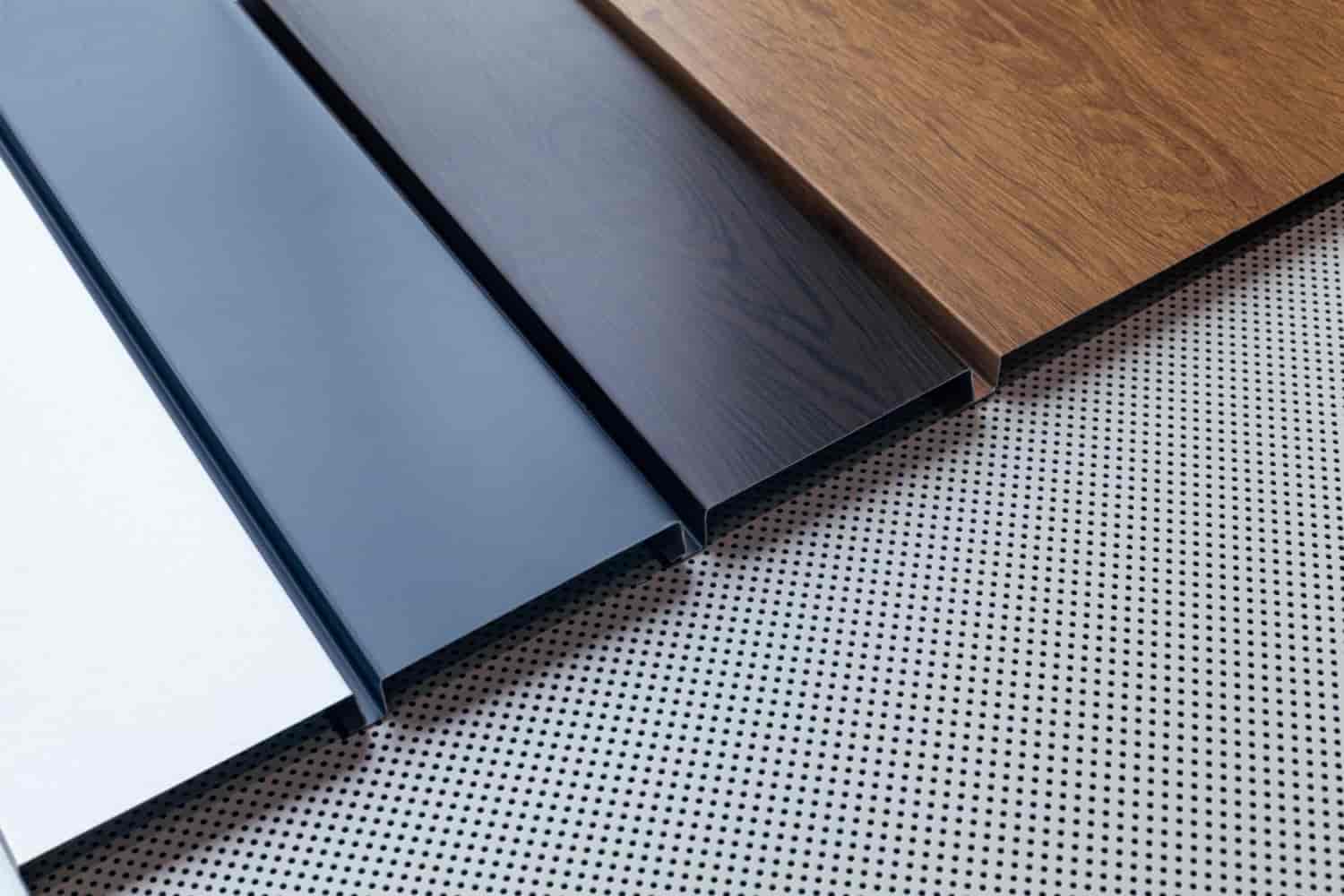
The HPL vs veneer decision in contract hotel furniture is not a single choice — it is a zone-by-zone decision that changes based on usage intensity, maintenance protocol, and guest-facing visibility.
Guest room casegoods (wardrobes, TV units, desks): HPL is the correct specification in Ghana. These surfaces are wiped daily with cleaning products, subject to humidity from bathroom proximity, and must maintain finish consistency across all rooms. Moisture-resistant HPL on MR-MDF or plywood substrate delivers this. Veneer on the same pieces requires a controlled environment that most Ghana hotel rooms — particularly in coastal cities — cannot guarantee year-round.
Lobby and reception furniture: This is where veneer is genuinely justified. Lobby pieces are guest-facing, handled less frequently than bedroom furniture, and in most hotels benefit from air conditioning that controls humidity. A statement reception desk or lobby credenza in veneer with lacquer finish performs well here — the aesthetic return is real, and the maintenance risk is manageable with the right finish sealing.
Corridors and back-of-house: HPL only. Corridor furniture absorbs trolley impact, luggage contact, and cleaning cycles at a rate that eliminates veneer as a viable option regardless of budget level.
The finish sealing requirement that most specs miss: Veneer specified without a defined topcoat system — open-pore lacquer, closed-pore lacquer, or UV-cured finish — is an incomplete specification. In Ghana’s humidity, the sealing system determines performance as much as the veneer itself. Always specify the finish system, not just the surface material.
In Ghana hotel projects, surface material choice determines furniture lifespan more than structural design in most casegood categories — but only when the finish system is fully specified. A veneer surface with an undefined or inadequate topcoat in a coastal Ghana environment will show visible deterioration within 12–18 months regardless of substrate quality.
In contract hotel furniture, structural material choice is inseparable from construction method. A solid beech frame built with mortise-and-tenon joints performs differently from a solid beech frame built with dowels — and a specification that says “solid wood frame” without defining the joint system is an incomplete specification that leaves quality to the manufacturer’s discretion.
Panel-based casegoods (wardrobes, nightstands, TV units): The structural question here is substrate, not solid wood vs metal. MR-MDF (moisture-resistant) at minimum 18mm for carcass panels, plywood for door cores and drawer bases. Standard MDF in Ghana’s humidity absorbs moisture at the edges and around hardware fixings — this is where most casegood failures originate, not in the surface material. Edge banding must be 2mm ABS minimum, hot-melt applied, with no visible joint at corners.
Upholstered seating frames (lobby sofas, bedroom chairs): Kiln-dried solid hardwood — beech or rubberwood — with glued and screwed or mortise-and-tenon joint construction. Foam density for hotel seating should be specified at minimum 40 kg/m³ for seat cushions, 28 kg/m³ for back cushions. Lower density foam compresses within 12–18 months under hotel usage, creating visible sagging that cannot be corrected without reupholstering.
Metal elements (bed bases, occasional frames, outdoor pieces): Powder-coated steel for indoor contract use; powder-coated aluminum for any piece with outdoor exposure or in high-humidity zones like pool areas. The coating thickness specification matters: minimum 60–80 microns for indoor, 80–100 microns for outdoor. Below this, corrosion appears at edges and fixings within two to three years in Ghana’s coastal conditions.
Advantages:
Challenges:
👉 Best practice: combine metal structures with HPL or treated wood surfaces for optimal performance in Ghana projects.
Humidity is the most important environmental factor in Ghana, especially in tropical climates where material performance is directly affected by moisture exposure, as explained in wood moisture and dimensional stability principles.
These risks are especially critical in hotel environments where furniture is used continuously.
To mitigate these issues:
Humidity-related damage is one of the main reasons why low-quality furniture fails in Ghana projects.
Most furniture failures in Ghana are caused by moisture exposure and improper material treatment rather than daily usage intensity.
A contract hotel project requires a differentiated material strategy, not a single specification applied across all areas. The following zone framework reflects what performs in Ghana’s climate under real hotel operating conditions.
Guest rooms — high consistency, medium aesthetic: MR-MDF carcass with HPL surfaces and 2mm ABS edge banding. Kiln-dried hardwood frames for upholstered pieces. Hardware specified by cycle count — drawer slides at minimum 50,000 cycles, hinges at 100,000 cycles. This zone prioritises repeatability across all units over individual design statements.
Lobby and public areas — high aesthetic, managed maintenance: Selective veneer on statement pieces with defined topcoat system. Upholstered seating with commercial-grade fabric (minimum 30,000 Martindale rub cycles for lobby use, 50,000+ for high-traffic lounge areas). This zone justifies higher material investment because it directly shapes first impressions and is manageable with the hotel’s maintenance protocol.
Corridors — maximum durability, minimal maintenance: HPL surfaces, powder-coated metal where applicable, no veneer. Corridor furniture absorbs more impact and cleaning chemical exposure per square metre than any other zone in the hotel. Material failure here is visible to every guest on every floor.
F&B areas within contract scope: HPL tabletops on moisture-resistant substrate, metal chair frames with commercial upholstery. If the F&B area is part of the contract furniture package, the material specification must align with the broader hotel concept — mismatched finishes between restaurant and lobby furniture undermine design consistency even when each area is individually well-specified.
This is the section that separates hotel contract furniture specification from general commercial furniture — and it is consistently underspecified in Ghana hotel projects sourced internationally.
Hotel buildings in Ghana are subject to the Ghana National Building Code fire safety requirements. For furniture in guest rooms, corridors, and public areas, upholstered pieces must meet defined flammability standards. The two most commonly referenced in international hotel contracts are BS 5852 (UK standard) for upholstered furniture and NFPA 701 for fabric flame resistance.
In practice, what this means for procurement:
When requesting compliance documentation from a Turkish manufacturer, ask specifically for: BS 5852 test certificates for foam, FR fabric test reports from the fabric mill, and E1 emission certificates for panel materials. A manufacturer who cannot provide these for a hotel contract project is not operating at contract specification level.
This becomes even more critical when selecting materials for outdoor environments, where furniture must withstand humidity, sun exposure, and heavy usage.
One of the biggest mistakes in Ghana projects is choosing materials based only on price.
Lower-cost materials often lead to:
A professional approach focuses on lifecycle cost rather than initial price.
Understanding hotel contract furniture cost helps investors make informed decisions and avoid short-term thinking.
Avoid these critical errors:
These mistakes significantly reduce furniture lifespan and increase project risk.
Material quality is not only about the material itself—it also depends on how it is processed and applied.
A professional hotel contract furniture supplier Ghana should:
Working with the right supplier ensures your material choices perform as expected in real conditions.
High-quality contract furniture follows international standards.
Examples include:
These standards ensure furniture can withstand heavy commercial usage.
Successful hotel projects in Ghana follow a structured material strategy:
This approach ensures long-term performance and reduces operational risks.
Material cost decisions do not exist in isolation — they sit within the broader FF&E budget structure that covers furniture, fixtures, and equipment. For how contract furniture costs relate to the full FF&E scope in Ghana hotel projects, see hotel contract furniture vs FF&E.
HPL surfaces and metal structures offer the best durability.
Yes, but only in low-moisture and controlled environments.
Because it resists humidity and offers higher durability.
Yes, it directly impacts both initial cost and long-term maintenance.
Work with an experienced supplier and prioritize durability over aesthetics.
WhatsApp us