Hotel room layout Ghana planning is one of the most critical stages in hotel development, directly affecting guest comfort, operational efficiency, and long-term usability. A well-designed room layout ensures that every square meter is used effectively while maintaining a balance between aesthetics and functionality. In modern hospitality projects, layout decisions are no longer isolated—they must be aligned with a broader hotel furniture design planning ghana strategy to ensure consistency across furniture placement, zoning, material selection, and overall guest experience.
In Ghana’s growing hospitality markets such as Accra, Tema, and Kumasi, developers are under pressure to optimize room sizes without compromising comfort, especially as competition increases and guest expectations continue to rise. Poor layout planning often leads to overcrowded spaces, inefficient circulation, and operational challenges for housekeeping staff, ultimately reducing the long-term performance of the property. On the other hand, a properly structured layout improves movement flow, increases perceived room size, enhances guest satisfaction, and contributes directly to better operational efficiency and higher return on investment.
For hotel developers, architects, and interior designers, layout planning is not just a design task—it is a strategic decision that influences both construction costs and ongoing operational performance. Even small layout improvements can significantly impact cleaning time, furniture durability, and overall usability of the space.
A successful hotel room layout Ghana strategy is built on the integration of space utilization, functional zoning, and circulation flow. These elements must work together to create rooms that are both efficient and comfortable.
Projects that fail to balance these factors often result in overcrowded layouts, poor usability, and operational inefficiencies, while well-planned layouts improve both guest experience and long-term performance.
Understanding how these elements work together allows developers, architects, and interior designers to create rooms that are not only visually appealing but also highly practical, cost-efficient, and optimized for long-term use.
Hotel room layout Ghana should be planned based on functional zoning, efficient circulation flow, and optimized furniture placement to maximize space usage, improve guest comfort, and ensure operational efficiency.
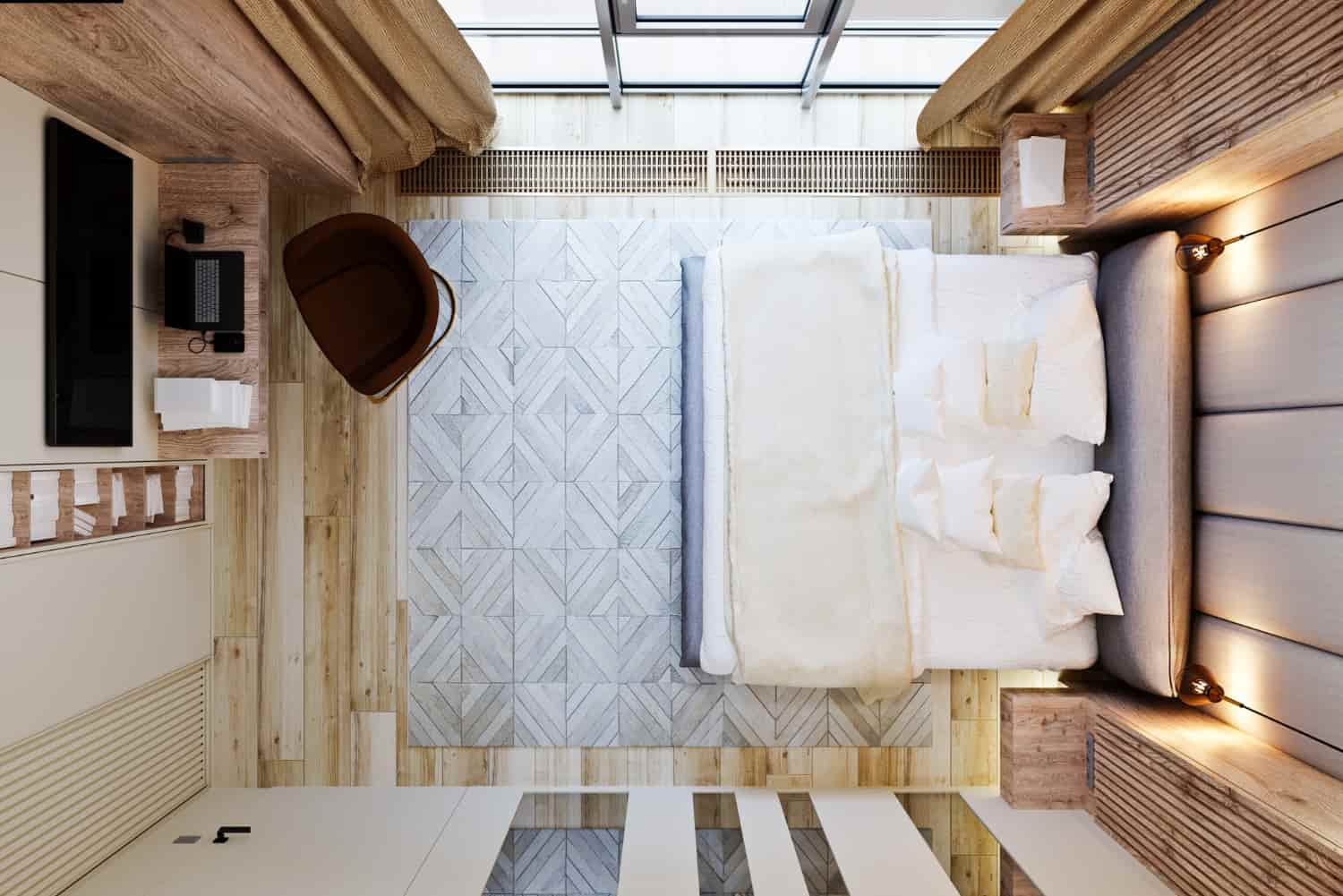
In hotel projects, guest rooms generate the majority of revenue. This makes layout planning not just a design decision, but a business decision.
A well-planned layout directly impacts:
For example, placing furniture too close together may reduce comfort, while poor circulation paths can slow down cleaning operations. Over time, these small inefficiencies translate into higher operational costs.
In Ghana, where many projects aim to balance budget and performance, layout optimization becomes even more important. Developers often work with limited space while targeting high occupancy rates. This makes every design decision critical.
Understanding room size benchmarks is essential for effective hotel room layout ghana planning.
Hotel room sizes in Ghana vary depending on project positioning, but each size category requires a different layout strategy. Budget hotels typically operate within 18–22 m², where space optimization becomes critical, while mid-range hotels between 22–28 m² allow for more balanced zoning.
Upscale hotels and suites, starting from 28 m² and above, provide greater flexibility for additional functions such as lounge seating and extended work areas. Understanding these differences is essential for effective layout planning.
These sizes directly influence furniture placement and circulation flow.
Key planning insight:
Smaller rooms require multi-functional furniture and compact layouts, while larger rooms allow for zoning and additional features such as lounge seating or workspaces.
These benchmarks are also aligned with international hospitality design references such as hotel room design standards and space guidelines.
A successful layout separates the room into clear functional zones.
A broader hotel furniture zoning strategy helps define how these zones interact not only within the room, but across the entire hotel operation, including guest flow and service efficiency.
Zoning improves usability and creates a more organized and comfortable environment for guests.
Flow refers to how people move inside the room.
A proper hotel room layout ghana must ensure:
Recommended clearances:
Poor circulation leads to:
In many hotel projects, poor room layout increases housekeeping time more than staffing levels, directly affecting operational efficiency and cost.
Lighting is an essential part of room layout planning, yet it is often treated as a secondary decision. In reality, lighting directly affects how space is perceived and how functional each zone becomes.
A well-planned hotel room layout Ghana should include:
Positioning furniture without considering lighting can reduce usability. For example, placing a desk away from proper lighting reduces functionality, while poor bedside lighting affects guest comfort.
👉 Key insight:
Lighting should be planned together with furniture placement, not after layout decisions are finalized.
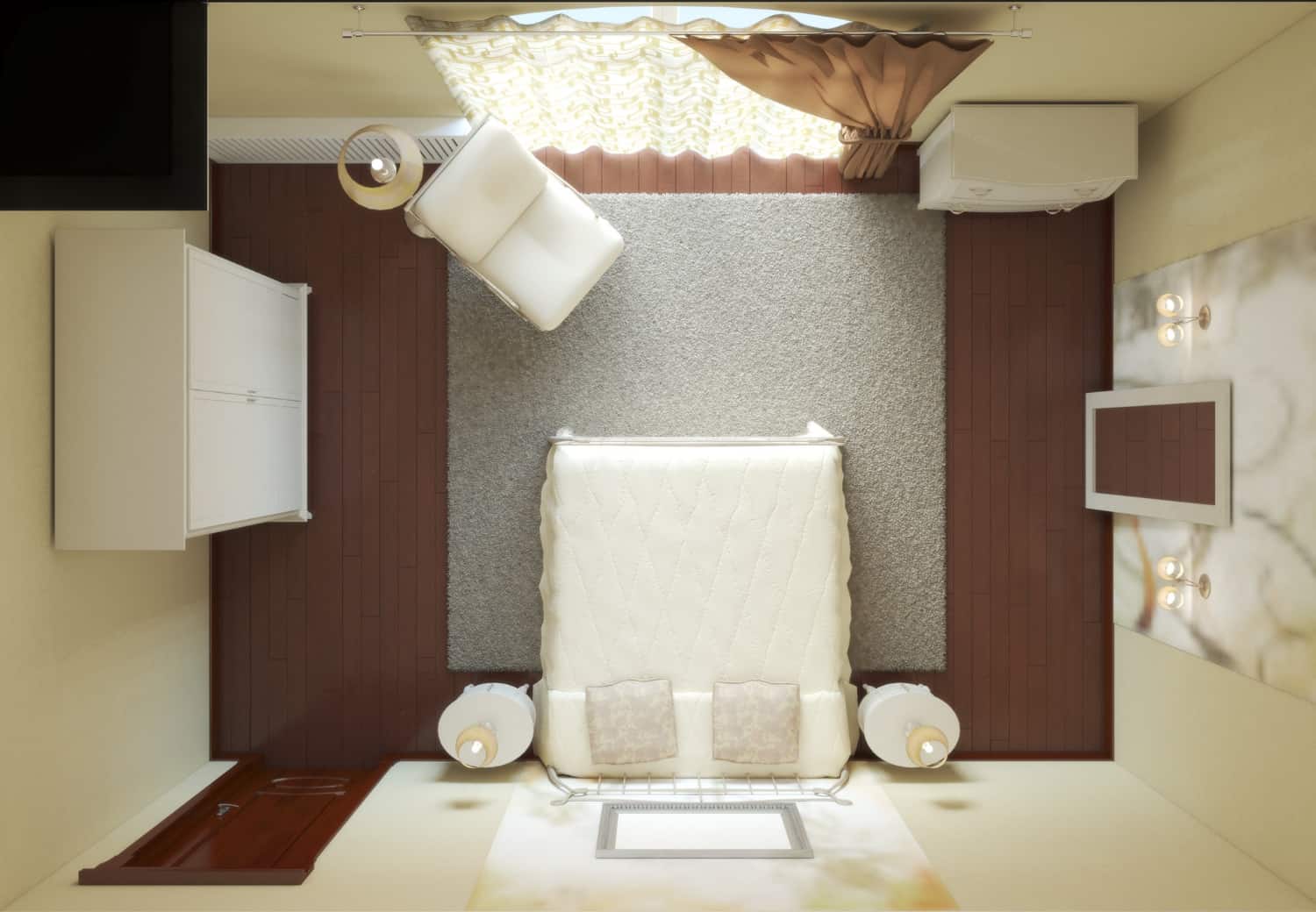
Furniture layout must follow both design and operational logic.
Key placement principles:
Incorrect placement can reduce usability even in large rooms.
Modern hotel guests expect easy access to power sources. Poor planning of electrical points can significantly reduce room usability.
A proper layout should ensure:
In Ghana hotel projects, where international guests are common, universal socket placement and USB integration also improve guest satisfaction.
👉 Poor electrical planning often leads to post-installation fixes, increasing both cost and complexity.
In compact hotel projects, layout efficiency becomes critical.
Best practices:
Smart design can make a small room feel significantly larger.
Smart layout decisions can increase perceived room size by up to 20% without increasing physical space.
Bathroom positioning is a critical part of hotel room layout Ghana planning. It directly affects both privacy and circulation flow.
Key considerations:
Poor bathroom placement can:
👉 Best practice:
Bathroom layout should be integrated into the overall zoning strategy, not treated as a separate element.
Many hotel projects fail at the layout stage.
Top mistakes:
Avoiding these mistakes improves both guest experience and operational efficiency.
Beyond technical planning, layout decisions directly influence how guests feel in the room.
A strong layout improves:
Even small improvements—such as better furniture spacing or improved access paths—can significantly enhance guest experience.
This same planning logic should continue in public areas through a structured hotel lobby furniture layout, where guest flow, waiting zones, and circulation affect the first impression of the hotel.
👉 In competitive hotel markets like Ghana, guest experience is often the key differentiator between similar properties.
A successful hotel room layout ghana strategy always starts with space planning, not furniture selection. When layout is defined correctly, furniture decisions become easier, more efficient, and more cost-effective.
This approach is closely connected to hotel furniture space planning, where circulation, furniture dimensions, and operational use are defined before any production decisions are made.
Developers who prioritize layout planning achieve:
In hotel development, layout is not just design—it is strategy.
A high-performance hotel room layout is not defined by size alone, but by how efficiently space is used. Projects that prioritize zoning, circulation, and furniture placement achieve better results.
When layout planning is done correctly, hotels benefit from improved guest satisfaction, lower operational costs, and stronger long-term performance.
The ideal hotel room layout ghana depends on room size and hotel category, but it should always include clear zoning for sleeping, working, and storage while maintaining smooth circulation flow.
Most hotel room layout ghana plans range between 18–28 m² for standard rooms. Efficient space planning ensures comfort without increasing construction costs.
A proper hotel room layout ghana improves guest comfort, housekeeping efficiency, and furniture durability. Poor layouts often lead to operational problems and higher maintenance costs.
Common mistakes include poor circulation flow, oversized furniture, lack of zoning, and inefficient use of space, all of which negatively affect guest experience.
Furniture placement is critical in hotel room layout ghana. The right positioning improves usability, flow, and overall room functionality, while poor placement creates congestion and discomfort.
WhatsApp us