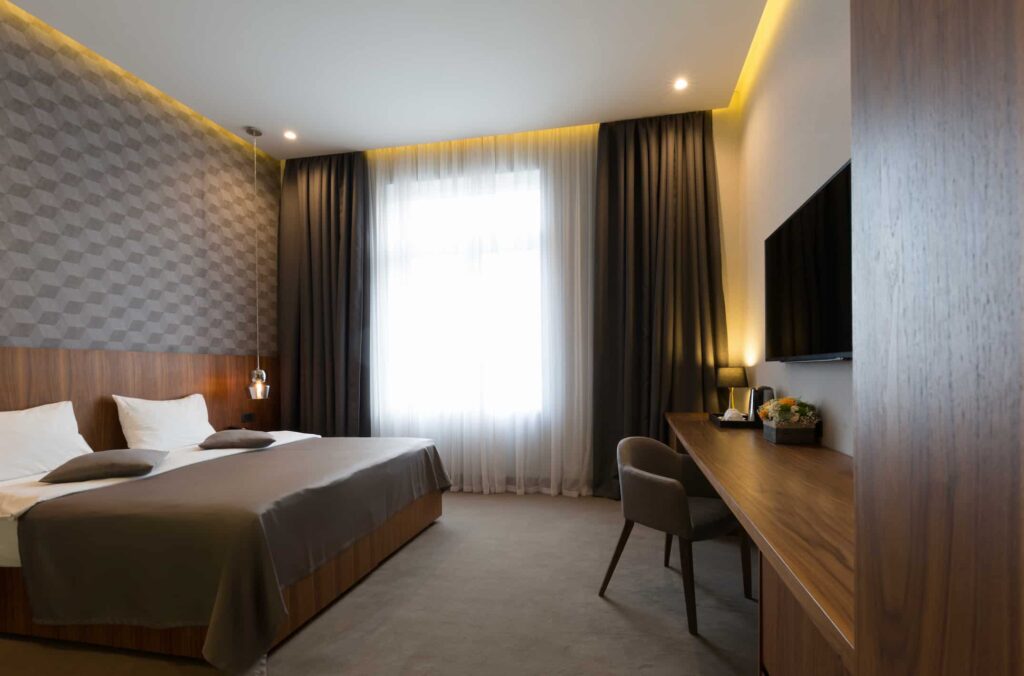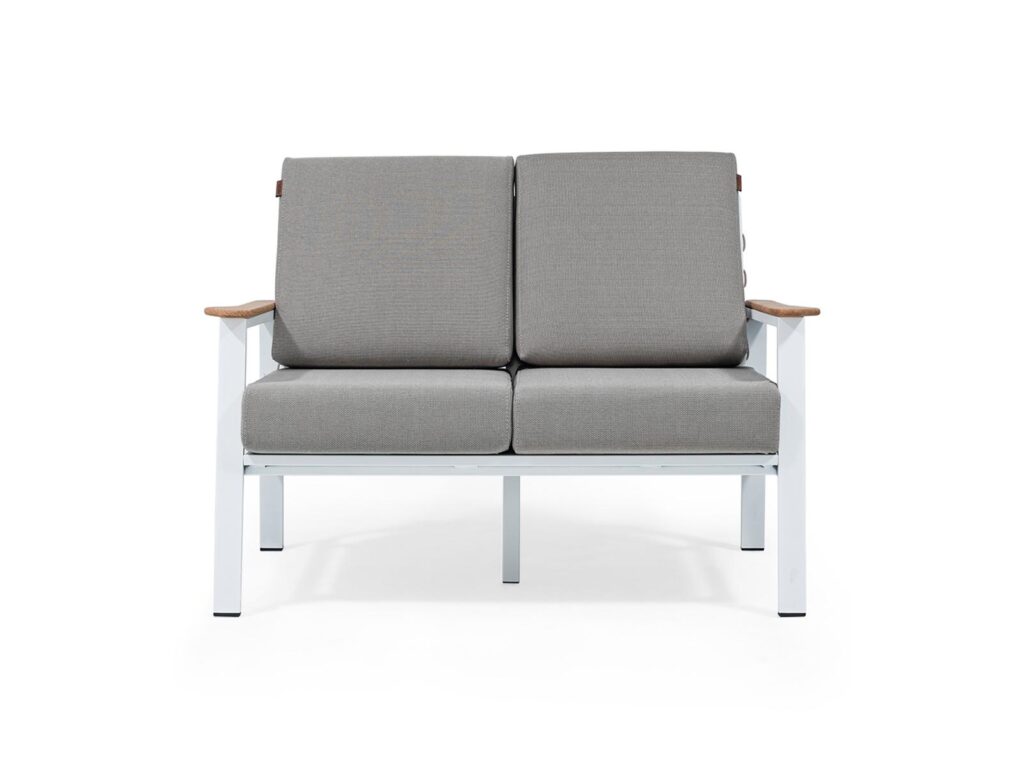
Hotel furniture quality checklist before shipment is essential to ensure that all furniture meets project specifications, durability standards, and packaging requirements before leaving the factory. Without a structured inspection process, even small defects can turn into costly problems during installation and hotel operation.
If you rely on photos and hope, sooner or later hope will break your budget. The hotel furniture quality checklist gives you a repeatable way to catch defects while the furniture is still in the factory—when fixes are fast, cheap, and far less disruptive. Once the cartons land on your dock, every small flaw becomes a big headache: rushed repairs, room downtime, guest complaints, and that awkward call with ownership.
Quick Answer:
A hotel furniture quality checklist is a structured inspection process used to verify materials, workmanship, and packaging before shipment to prevent defects and ensure project-ready furniture delivery.
To understand how this checklist fits into the full project lifecycle, review our complete hotel furniture Ghana guide.

Here’s the useful contradiction: factories can build excellent pieces, yet shipments still arrive with “mystery damage.” Why? Because quality is not only craftsmanship. It’s also consistency, protection, and proof. A chair can pass a quick visual check and still wobble after a week. A flawless lacquer can still scratch if the carton has weak corners. So this Hotel Furniture Quality Checklist Before Shipment focuses on four realities:
Keep it simple: your goal is not perfection. Your goal is a shipment you can install without surprises. With the right checklist, you stop issues before they become “site problems.” And yes—what a relief.
A checklist works only when “pass/fail” is clear. Otherwise, every finding turns into a debate, and debates burn time.
Acceptance standards must be clearly defined before any inspection begins, otherwise every quality issue turns into a subjective discussion. In hotel furniture projects, standards should be based on approved samples, signed shop drawings, tolerance definitions, and defect classification levels.
Approved samples act as the reference point for finish, color, and upholstery, while shop drawings define dimensions, alignment, and hardware positioning. Tolerance rules clarify how much variation is acceptable, and defect severity categories help teams prioritize what must be fixed immediately versus what can be accepted.
When these standards are documented and agreed upon in advance, inspections become faster, more objective, and significantly more effective in preventing disputes between project teams and manufacturers.
Practical tolerance examples you can state in writing:
Add a short “viewing conditions” note. People argue because they inspect under different light. Use consistent lighting and distance. A simple rule helps: check cosmetics under bright, indirect light, then check finish under raking light for waves and dust. Approved samples should represent all key furniture categories, including seating, upholstery, and casegoods. Reviewing actual hotel guest room production helps ensure consistency between samples and final production.
If your supplier runs a quality system like ISO 9001, you can align your approach to process thinking, documented information, and continual improvement. That mindset helps you fix root causes, not only symptoms. You can review the ISO 9001 quality management principles here.
Understanding how to evaluate suppliers is just as important as defining inspection standards. Learn more in our guide on how to choose a hotel furniture supplier for Ghana projects.
Without clearly defined acceptance standards, inspections lose consistency and project teams often disagree on what is acceptable. This leads to delays, rework, and unnecessary friction between suppliers and developers.
Not every project needs a full inspection of every piece. Still, sampling must be rational.
Use three decision rules:
Even if you use AQL sampling, keep “critical defects” at zero tolerance. Examples:
Sampling protects schedules, but don’t let it blind you. If you find repeated defects early in the sample, expand the inspection. The checklist should tell you when to widen the net.
Sampling decisions can vary depending on supplier capabilities and production standards. To better understand sourcing differences, you can review our hotel furniture comparison guide.
Insufficient sampling is one of the most common causes of quality issues in hotel furniture projects, especially when materials, finishes, or construction details are not fully validated before mass production.
Inspectors who rely on “feel” miss things. Bring tools and measure.
A compact kit for the Hotel Furniture Quality Checklist Before Shipment:
Inspection tools play a critical role in ensuring objective and consistent quality control in hotel furniture projects. Relying only on visual judgment often leads to missed defects and inconsistent evaluations.
Basic measuring tools such as tape measures, calipers, and angle finders are essential for verifying dimensions, alignment, and structural accuracy. Moisture meters help detect hidden risks in wood-based materials, especially important in humid climates like Ghana.
Lighting tools, including flashlights, are used to identify surface defects such as scratches, dust particles, or uneven finishes under raking light conditions. Additional tools such as marker tape, weight sets for stability testing, and tripods for standardized photo documentation improve inspection efficiency and ensure that findings are recorded consistently.
Using the right tools transforms inspections from subjective opinions into measurable, repeatable processes that reduce errors and improve overall quality assurance.
Also bring a printed defect library with photo examples. When everyone agrees what “orange peel” looks like, you stop arguing and start fixing.
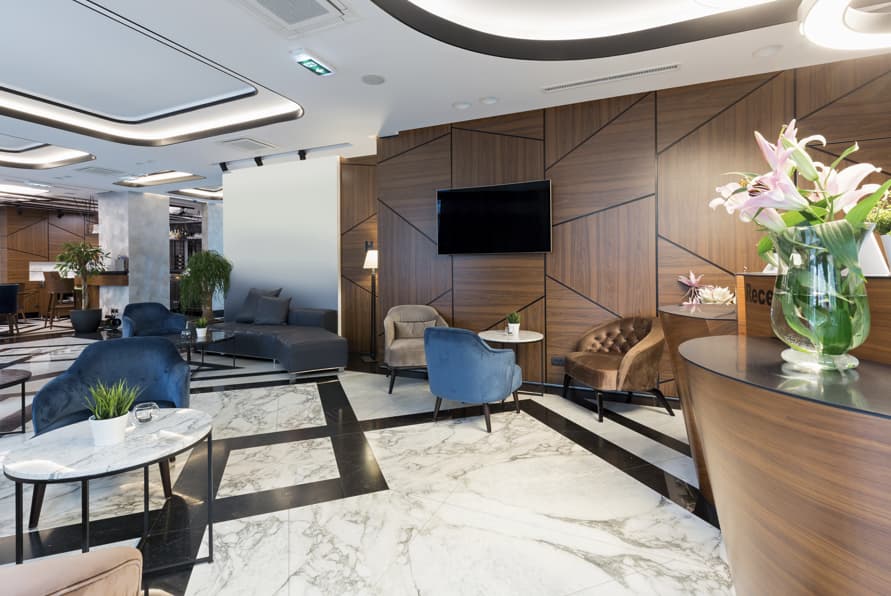
Material substitutions during production are one of the most common hidden risks in hotel furniture projects. Even small changes in board quality or finish systems can significantly affect long-term durability. A supplier who substitutes standard MDF for MR-MDF on internal panels — where the difference is invisible in a finished piece — creates a failure mode that only becomes visible 12 to 24 months into hotel operation. The only way to catch substrate substitution before shipment is a cut edge sample from a production panel, taken during the pre-shipment inspection, not from the approved sample.
Workmanship issues are the ones that make you mutter, “How did this leave the factory?” Don’t rush this section — ten seconds per chair can save you hundreds of service calls.
Workmanship quality becomes even more critical when sourcing internationally. Understanding how Turkish factories are structured for project-based hospitality production helps you set the right expectations before any inspection begins — see our guide on how to choose a hotel furniture manufacturer in Turkey.
Finish is where most arguments happen, because it feels subjective. Make it objective. Hotels clean often — a finish that can’t handle gentle cleaning will age badly, and it will age fast.
Finish quality plays a major role in guest perception, especially in restaurant and café areas within hotels.
Hardware failures cause constant guestroom complaints. Drawers that stick. Doors that slam. Locks that don’t align. Do repeated cycles — open-close tests expose weak installs that a single visual check will never catch.
For a recognized durability benchmark, many teams reference ANSI/BIFMA seating and furniture tests for strength and fatigue evaluation — especially helpful for chairs and high-use seating. Applying this mindset to your inspection cycle helps move quality evaluation from subjective judgment to measurable criteria.
Guests remember uncomfortable seating. They also remember stains, puckered seams, and sagging cushions. Comfort is not only numbers — it’s the guest’s first impression.
If something feels off, trust your instincts and verify. A single unit that passes is not confirmation the batch is consistent.
Fire requirements vary by location and product type. Still, your checklist should always ask for clear documentation.
In the US, many suppliers reference California Technical Bulletin 117-2013, which focuses on smolder resistance for materials used in upholstered furniture. It describes test methods for cover fabrics, barrier materials, resilient filling, and decking materials.
What to do in practice:
Don’t treat compliance like a last-minute paper chase. Build it into your pre-shipment package so your install team never has to guess.
In many hotel furniture projects, damage occurs not because of poor manufacturing, but due to weak packaging and inadequate protection during transport. Even high-quality products can fail if packaging systems are not designed for export conditions and multiple handling points. For Ghana-bound shipments specifically, the Turkey-to-Atlantic-to-West Africa route involves more handling points than European destination shipments — furniture packaged to European export standards consistently underperforms on this route.
Ghana’s coastal humidity creates a specific risk for furniture stored between Tema Port clearance and site installation. Even correctly packaged furniture stored in a non-climate-controlled warehouse in Accra for two to three weeks before installation absorbs ambient humidity through carton seams — causing edge banding to soften, MDF edges to begin swelling, and upholstery fabric to develop the conditions for mould growth before a single guest has used the piece. For Ghana-bound shipments, desiccant packs inside every carton and poly moisture barrier wrapping are not optional extras — they are the minimum protection standard for the destination climate.
Hotels install fast. If cartons aren’t labeled clearly, teams waste days sorting.
Minimum labeling rules:
Spare parts and attic stock:
Documentation pack for the Hotel Furniture Quality Checklist Before Shipment:
This paperwork feels dull—until something goes wrong. Then it becomes your best friend.
Proper documentation and labeling are essential parts of a successful FF&E process. To understand the full scope, you can explore our hotel FF&E Ghana guide.
Incomplete labeling or missing documentation is one of the most common causes of installation delays in hotel projects, even when the furniture itself is fully compliant.
The most consistently repeated container loading mistake in Ghana hotel furniture projects is loading by furniture category rather than by installation sequence. A container loaded with all wardrobes first, then all nightstands, then all chairs, requires the installation team to unload the entire container to access the piece they need next. A container loaded by room zone — all pieces for rooms 101 to 120 accessible together — allows the installation team to unload and install sequentially, reducing handling time and the surface damage that repeated rehandling produces. Confirm the loading sequence with the manufacturer before the container is packed — changing it after loading requires unpacking and reloading at full cost.
Complete all sections before approving container loading. Critical items must pass — no exceptions.
| Area | Pass criteria | Evidence |
|---|---|---|
| Specs | Dimensions and materials match approved docs | Measured photos |
| Finish | Color/gloss consistent; no visible defects | Raking-light photos |
| Function | Doors/drawers smooth; seating stable | Short videos |
| Safety | No sharp edges; safe glass; stable stools | Tagged checks |
| Upholstery | Shade OK; seams clean; cushions recover | Close-up photos |
| Hardware | Tight, aligned, cycles cleanly | Cycle notes |
| Packaging | Corner protection; no movement; labels correct | Packing photos |
| Documents | Packing list, compliance, QC report complete | PDF bundle |
| Loading | Braced, dry, counted, photographed | Container photos |
Pre-shipment inspection must verify: cut edge sample from a production panel confirms MR-MDF green core (not just the approved sample); fabric Martindale certificate is from the fabric mill, not a supplier declaration; hinge brand and model number match the BOQ specification and carry a published cycle rating; foam density confirmed by weight measurement of a cut sample against volume; edge banding thickness measured with a calliper at minimum 2mm on a production panel; power unit function tested with a live device on every outlet and USB port; loading sequence confirmed against the installation zone plan before container doors close; desiccant packs and moisture barrier wrapping confirmed present in every carton before loading.
A hotel furniture quality checklist before shipment is a step-by-step inspection framework that verifies four things:
1) Material compliance — correct substrates,finishes, and hardware match the approved spec.
2) Workmanship quality — joints are tight, doors and drawers cycle smoothly, seating passes the wobble test.
3) Packaging performance — carton strength, edge protection, and moisture barriers are adequate for sea freight.
4) Documentation completeness — packing list, inspection report, and compliance certificates are ready before loading. It is applied at the factory before container loading — when corrections take hours, not weeks.
A hotel furniture quality checklist is critical for Ghana projects for three reasons:
1) Distance makes corrections expensive — furniture shipped from Turkey to Ghana cannot be quickly replaced. A defect found at Tema Port or on the installation floor means weeks of delay and international freight cost, not a same-day factory fix.
2) Ghana’s climate accelerates hidden failures — humidity and heat expose material substitutions within months. A checklist catches wrong substrates and weak finishes before they leave the factory.
3) Customs clearance has zero tolerance for documentation gaps — incomplete inspection reports and missing certificates delay Tema Port clearance and push back opening dates. A pre-shipment checklist ensures all documents are ready before the container is sealed.
A complete hotel furniture quality checklist includes nine categories:
1) Material spec verification — board type, thickness, moisture resistance.
2) Workmanship — joints, squareness, door and drawer function.
3) Finish quality — color match, gloss consistency, no defects
under raking light.
4) Hardware — hinge alignment, soft-close function, drawer slide rating.
5) Upholstery — shade lot consistency, stitch quality, foam density.
6) Compliance documents — fire test reports, material certificates.
7) Packaging — carton strength, corner protection, moisture barriers.
8) Labeling — project name, item code, room number on every carton.
9) Container loading — bracing, desiccants, photo evidence.
Use three-tier sampling for hotel furniture inspections:
1) Full inspection — every piece — for custom one-off items, high-risk finishes, upholstered headboards, and any category where the same supplier had defects before.
2) Tight sampling (AQL 1.0 or stricter) for guest room casegoods, dining chairs, and any item guests touch daily — these are high-volume,
high-impact categories.
3) Light sampling for low-risk repeatable items with a strong factory track record. One rule applies across all three tiers: critical defects — sharp edges, unstable seating, broken hardware — are always zero tolerance, regardless of sampling level.
The seven most common defects found in hotel furniture
before shipment:
1) Finish inconsistencies — color variation between units, dust nibs, or burn-through visible under raking light.
2) Weak joints — carcass corners that flex, doors that rub, drawers that rack sideways.
3) Hardware failures — spinning screws, misaligned hinges, soft-close that doesn’t close.
4) Edge banding defects — lifting corners, thin coverage, exposed substrate on high-contact areas.
5) Unstable seating — wobble on flat surface, squeaks under diagonal load.
6) Packaging failures — crushed carton corners, missing foam protection, no moisture barrier for sea freight.
7) Documentation gaps — missing packing list, no inspection report, compliance certificates not matching actual materials used.
To prevent damage during hotel furniture shipping:
1) Use export-grade cartons — minimum 5-ply, with reinforced corners.
2) Add foam edge protectors on all corners and surfaces that contact other pieces.
3) Poly-bag each piece before boxing to prevent moisture and scratching.
4) Add desiccants inside cartons for sea freight to humid destinations like Ghana.
5) Supervise container loading — heavy items low, fragile items protected, bracing between all stacks.
6) Photograph every container section before sealing — photos resolve damage claims in days, not months.
Choose a reliable hotel furniture supplier for quality
control by verifying five things:
1) In-process QC — they inspect during production, not only at the end.
2) Sample approval process — systematic mock-up room review before mass production.
3) Documentation capability — they produce inspection reports, material certificates, and packing lists without chasing.
4) Export experience — they have shipped to West Africa and understand Tema Port requirements.
5) References — they can provide contacts from completed hotel projects of similar scale. A supplier who resists any of these five steps is a supplier worth avoiding.
WhatsApp us