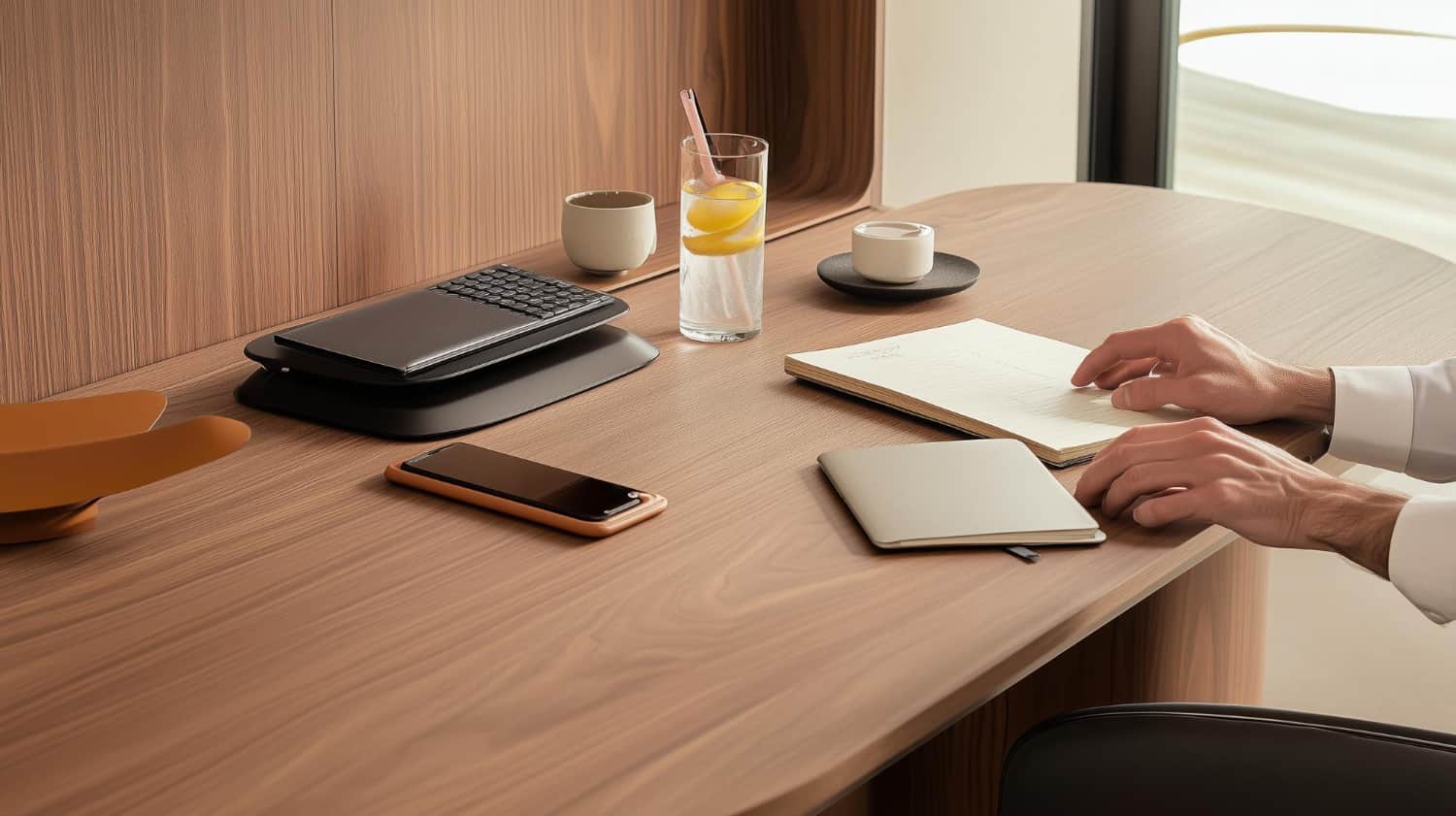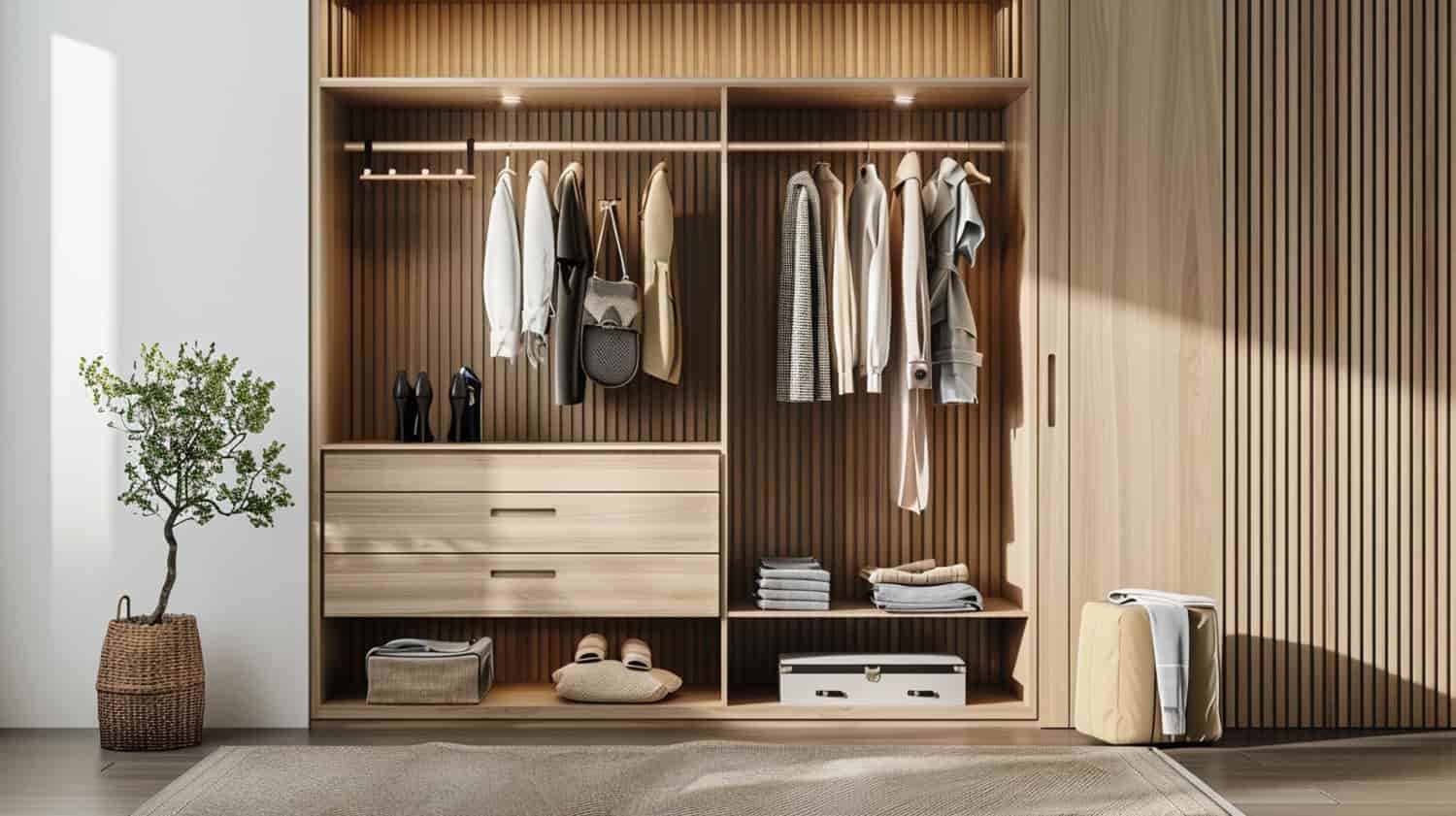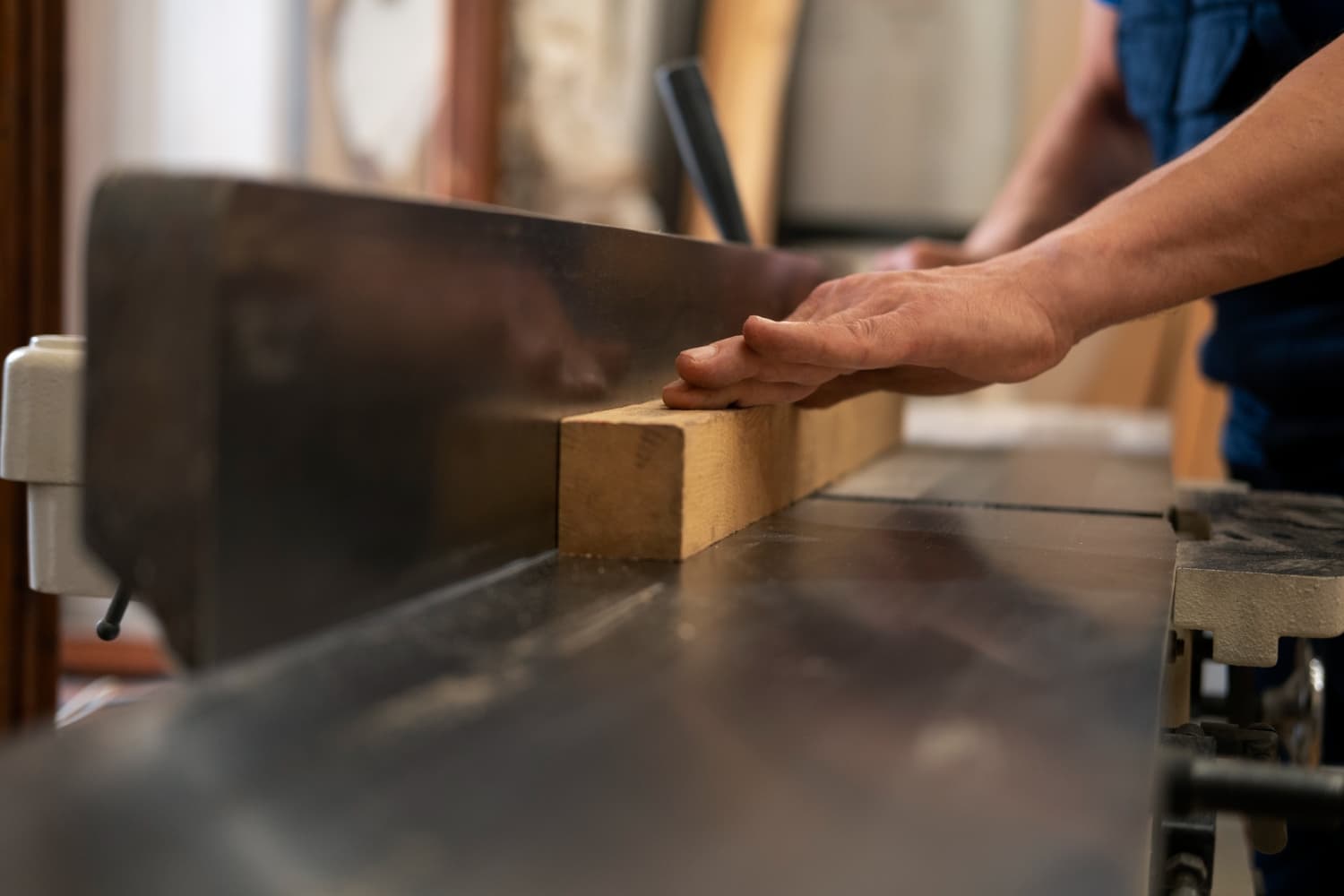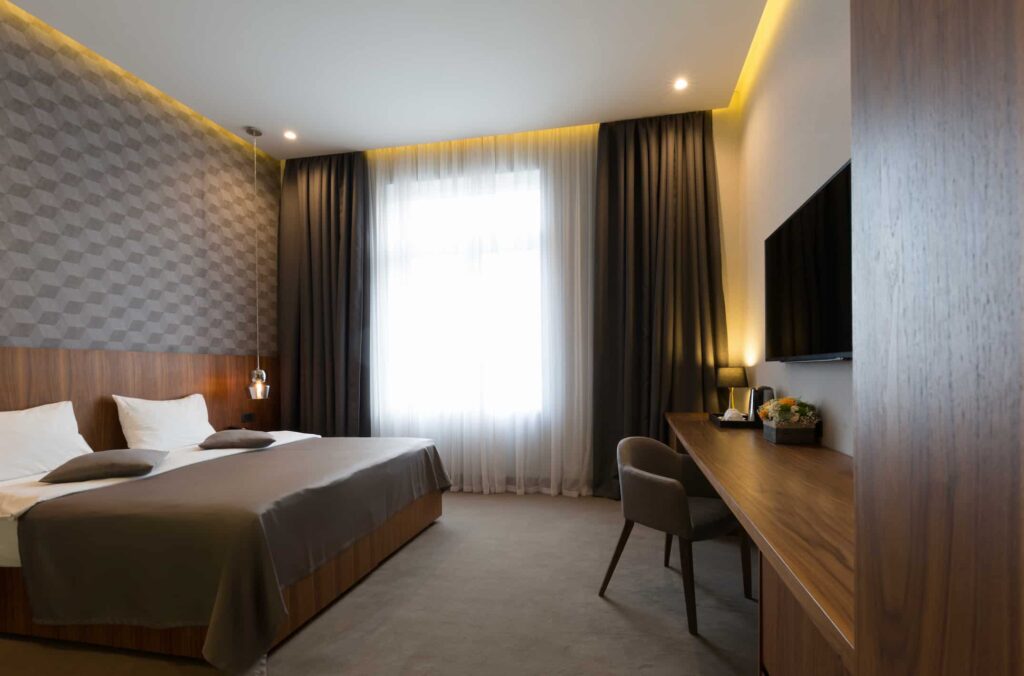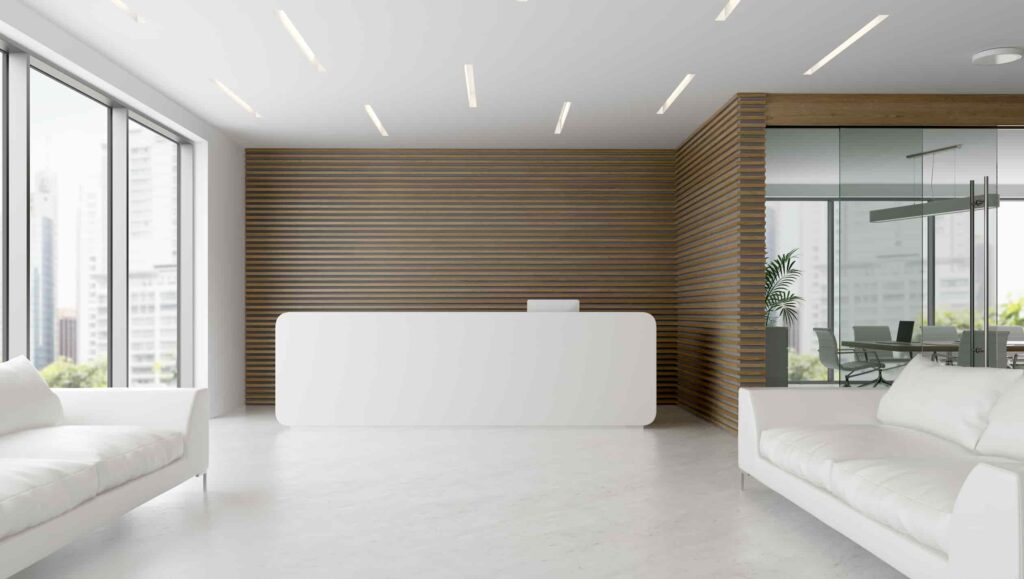
Planning a hotel project in the hotel furniture ghana market requires a clear and structured approach to procurement, cost management, logistics, and supplier selection. In fast-growing cities such as Accra, Tema, and Kumasi, hospitality investments are increasing rapidly, and areas such as restaurant furniture ghana play a critical role in revenue generation and guest experience within hotel projects. Developers must consider not only design and aesthetics but also durability, production consistency, and long-term operational performance, especially when supported by reliable production capabilities such as hotel furniture manufacturing turkey ghana. This is why successful projects are always supported by a comprehensive hotel furniture design planning ghana strategy, ensuring that layout, zoning, and furniture specifications are aligned from the beginning. At the same time, selecting the right hotel contract furniture ghana solutions ensures that all furniture can withstand heavy daily use, frequent cleaning, and long-term wear in commercial environments, while efficient sourcing strategies such as export hotel furniture to ghana help align production, shipping, and installation processes. For product-level specification across guest rooms and public areas, see hotel guest room furniture specification. For finding and evaluating Turkish manufacturers, see hotel furniture suppliers Turkey.
However, many hotel projects in Ghana face serious challenges not because of design, but because of weak furniture planning, poor supplier coordination, and underestimated logistics risks. Developers often focus on aesthetics in the early stages, but real problems usually appear later — during production, shipping, or installation. Without a structured approach, projects can experience delays, budget overruns, inconsistent quality, and long-term maintenance issues. These problems are not random; they are typically the result of disconnected decision-making across design, manufacturing, and procurement stages. This is why successful hotel projects treat furniture not as a final purchase, but as a fully integrated system that must be planned from the beginning. When design, material selection, production strategy, and logistics are aligned early, the entire project becomes more predictable, efficient, and cost-controlled.
According to global tourism and hospitality data, emerging markets like Ghana continue to attract strong investment flows, increasing the demand for well-structured hotel developments and professional FF&E planning.
Hotel furniture Ghana procurement requires aligning material specification, supplier selection, production timelines, and export logistics from the start of the project. In Ghana’s climate — high humidity, intensive daily use, and long replacement lead times — correct specification before production begins determines whether furniture performs for a decade or requires replacement within two years. The most successful Ghana hotel projects treat furniture as a fully integrated system, not a final purchase.

Choosing the right supplier directly affects the success of your hotel project. The supplier determines not only the quality of the furniture but also the project timeline, budget control, and long-term durability of your investment. When evaluating a hotel furniture supplier in Ghana, developers typically compare two main sourcing strategies: local suppliers and international manufacturers.
Hotel furniture Ghana refers to contract-grade furniture solutions planned, manufactured, shipped, and installed for hotel projects in Ghana, including guest rooms, lobbies, restaurants, outdoor areas, and FF&E packages.Local suppliers offer certain advantages, especially for small-scale projects or renovations. Their proximity allows easier communication, faster site visits, and simpler coordination. However, these advantages often become limitations when the project scale increases.
Most local workshops struggle with large production volumes. They may produce good samples, but maintaining consistent quality across 50, 100, or 200 rooms becomes difficult. In addition, many local suppliers lack advanced machinery, standardized production systems, and professional quality control processes.
On the other hand, international manufacturers—particularly those based in Turkey—offer a more structured and scalable solution. Working with a hotel furniture manufacturer in Turkey gives developers access to industrial-level production capacity and export-ready systems.
Turkish manufacturers specialize in contract furniture and hospitality projects. They understand hotel standards, material durability requirements, and the importance of consistent production. Their ability to deliver customized furniture at scale makes them a preferred choice for hotel developers in Ghana.
From a strategic perspective, many developers use a hybrid sourcing model. They may rely on local suppliers for minor items while sourcing core furniture packages from international manufacturers. This approach balances cost efficiency, logistics convenience, and quality control.
Choosing the right supplier is only part of the decision — understanding how long the full process takes before committing to a timeline is equally important. For a stage-by-stage breakdown from brief to installation, see hotel furniture lead time.
Guest rooms represent the largest portion of any hotel furniture Ghana project, both in terms of quantity and budget. They also play the most important role in shaping the guest experience. A well-designed room directly influences guest comfort, satisfaction, and online reviews.
A standard hotel room furniture package includes essential items such as a bed base, headboard, bedside tables, wardrobe, desk, chair, luggage rack, and TV unit. These components form the foundation of hotel guest room furniture, and each element must meet strict functional and durability requirements. Reviewing real-world hotel guest room furniture layouts and product combinations helps ensure that all these elements are properly planned and produced as a consistent package.
Hotels operate continuously, which means furniture is exposed to constant use. Materials must resist wear, scratches, moisture, and frequent cleaning. Weak materials or poor construction can lead to rapid deterioration, increased maintenance costs, and negative guest feedback. Every room must follow the same design language — materials, finishes, colors, and proportions — to strengthen brand identity and create a cohesive environment across the property.
Many room furniture problems start before production begins. If dimensions, layouts, electrical points, and furniture specifications are not clearly defined, even a good manufacturer may produce items that do not fit the real room conditions.
Material selection is one of the most important decisions in hotel furniture Ghana production. The choice of materials directly affects durability, cost, maintenance requirements, and overall guest perception.
MDF (Medium Density Fiberboard) offers a smooth surface and cost efficiency, making it suitable for mid-range hotel projects — but has lower resistance to moisture and requires proper sealing in Ghana’s climate. Plywood provides higher strength and better durability, performs better in humid environments, and offers a longer lifespan, making it the preferred structural choice for high-load components. Solid wood represents the premium segment: natural aesthetics, superior strength, and long-term durability — the preferred option for luxury hotel projects.
Laminates offer durability, scratch resistance, and cost efficiency, making them ideal for high-traffic environments. HPL (High Pressure Laminate) is the most robust surface option for Ghana hotel projects — resistant to cleaning chemicals, heat, and daily wear. Veneer provides a more natural and elegant look but requires more careful maintenance. Developers must balance cost and performance: choosing cheaper materials may reduce initial investment but increases long-term maintenance and replacement costs significantly.
One of the most common mistakes in Ghana hotel projects is selecting materials based only on appearance or initial price. Low-grade MDF or weak surface finishes may look acceptable at delivery, but humidity and heavy daily use can quickly lead to swelling, peeling, and early replacement costs.
Understanding the hotel furniture cost in Ghana is essential for accurate project budgeting. Many developers underestimate furniture costs, which leads to financial pressure during later stages of the project.
The average hotel furniture cost in Ghana typically ranges from $1,200 to $3,500 per room, depending on hotel category, material quality, customization level, logistics, and installation requirements.
Furniture cost depends on several key factors, including the number of rooms, material quality, design complexity, and logistics. Projects generally fall into three main categories: budget, mid-range, and luxury.
The table below provides a general overview of hotel furniture cost per room in Ghana, helping developers understand how budget, materials, and hotel category directly influence total project investment.
| Hotel Category | Cost Per Room | Material Level | Project Type |
|---|---|---|---|
| Budget Hotel | $1200 – $2000 | MDF + laminate | Small hotels / budget projects |
| Mid-Range Hotel | $2000 – $3500 | Plywood + veneer | Business / city hotels |
| Luxury Hotel | $3500+ | Solid wood + premium finishes | 5-star / resort projects |
These cost ranges show that hotel furniture budgets vary significantly depending on project positioning and material quality. While lower-cost solutions may reduce initial investment, they often lead to higher maintenance and replacement costs over time. For Ghana projects, balancing cost with durability and production quality is essential to ensure long-term performance and operational efficiency.
Real Cost Insight:
Many hotel projects in Ghana underestimate furniture costs by focusing only on unit prices instead of total project cost. Hidden expenses such as logistics, installation, packaging, and replacement risk often increase the final budget significantly. Projects that fail to calculate full lifecycle cost usually exceed their initial budget expectations.
Budget hotel projects focus on cost efficiency and basic functionality. They use standard designs and economical materials. Mid-range hotels aim to balance cost and aesthetics, often using a mix of MDF and veneer finishes. Luxury hotels prioritize design, customization, and premium materials such as solid wood.
Total average range:
👉 $1200 – $3500 per room depending on segment
Cost optimization requires strategic planning. Working with experienced manufacturers allows developers to reduce costs without compromising quality.
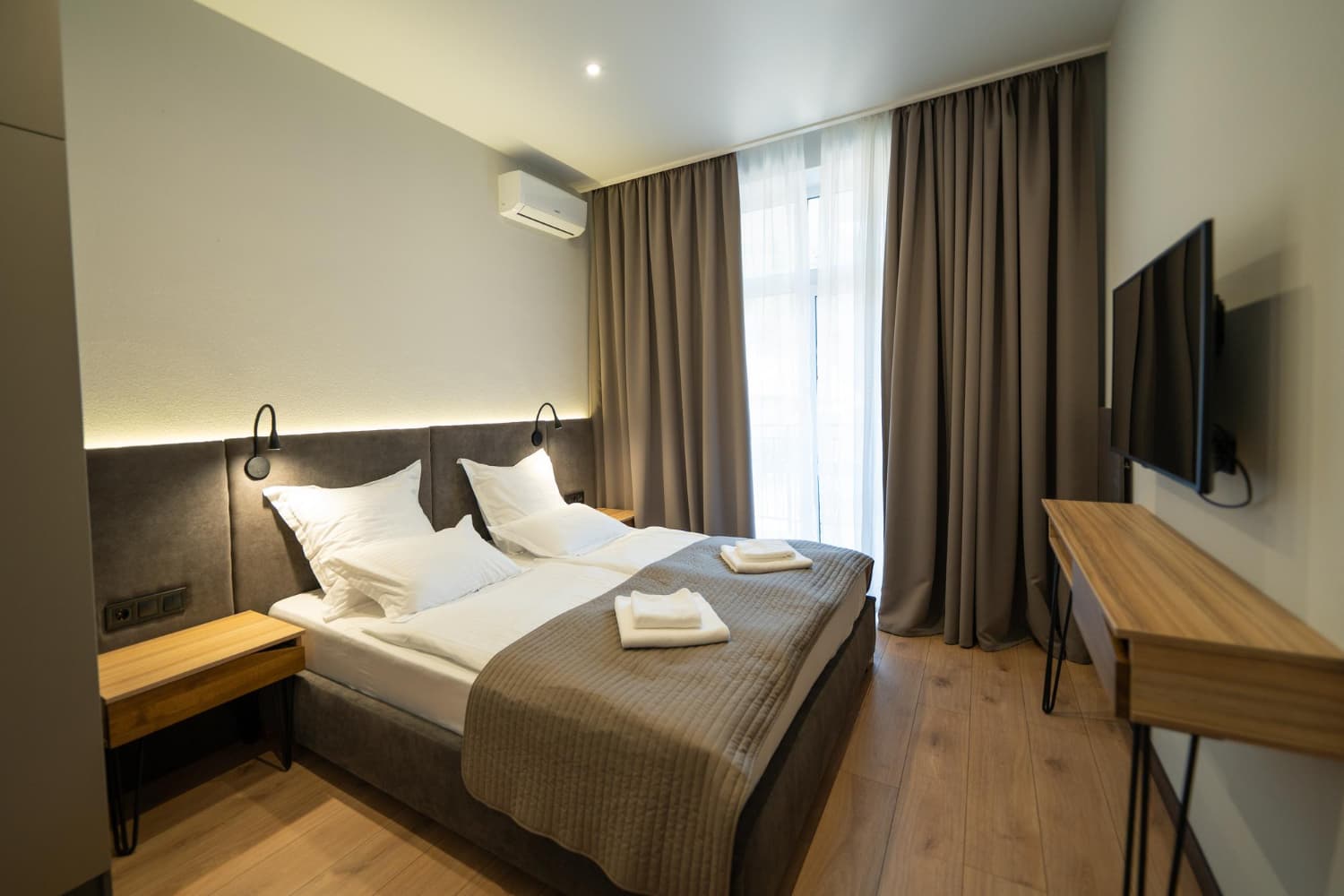
Many developers choose hotel furniture packages to simplify procurement and reduce project complexity. Instead of sourcing individual items, packages provide a complete solution that includes all essential furniture components.
Furniture packages ensure consistency across rooms — every piece follows the same design concept, material selection, and finishing standards. This approach improves both visual harmony and production efficiency. One of the main advantages is cost control: bulk production reduces unit costs and improves pricing efficiency, allowing developers to achieve better value compared to purchasing items individually from multiple suppliers.
Another important advantage is project coordination. Managing multiple suppliers creates communication challenges and increases the risk of delays. Working with a single supplier for furniture packages simplifies coordination and improves project flow. Packages are particularly effective for medium and large hotel projects where consistency and efficiency are critical — guest room casegoods, lobby seating, restaurant furniture, and outdoor areas all produced under one quality standard and shipped in one coordinated sequence.
Furniture packages work best when production is standardized across all rooms. In large Ghana hotel projects, even small inconsistencies in color, size, or finish can become highly visible when repeated across dozens of rooms.
The FF&E brief must be written when architectural drawings are finalised — not when construction reaches the fitting-out stage. In a Ghana hotel project with a 14 to 18 week total furniture timeline, a developer who starts the FF&E brief 4 months before opening is already running late. The correct planning horizon is 6 months minimum: 1 month for BOQ preparation and supplier selection, 4 to 6 weeks for sample approval, 6 to 8 weeks for production, 4 to 5 weeks for sea freight and Tema Port clearance, and 1 to 2 weeks for installation. Each stage must complete before the next begins — delays do not compress the remaining stages, they push the opening date.
Importing hotel furniture Ghana developers need from Turkey has become the most preferred sourcing strategy. This approach provides a strong balance between quality, cost efficiency, and scalability. Many investors choose exporting hotel furniture from Turkey to Africa because it allows them to work with experienced manufacturers who understand international standards.
Turkish manufacturers operate with a project-based production model. This means they do not simply produce furniture; they manage the entire process from design to delivery. Developers benefit from a single point of contact, which simplifies communication and reduces project complexity.
The import process usually follows a structured sequence. First, the design and technical drawings are approved. Then, material selection and finishes are finalized. After that, production begins based on the agreed specifications. Once production is complete, the furniture is carefully packed and loaded into containers for shipment.
One of the key advantages of importing from Turkey is packaging quality. Professional manufacturers use export-grade packaging systems to prevent damage during transportation. Each item is protected with foam, corner guards, and reinforced wrapping materials.
Another advantage is cost transparency. Developers receive a clear quotation that includes production, packaging, and loading costs. This allows accurate budgeting and eliminates unexpected expenses.
From a strategic perspective, importing furniture from Turkey gives developers access to international quality standards while maintaining competitive pricing. This combination is difficult to achieve with local-only sourcing.
Logistics is one of the most critical aspects of hotel furniture Ghana projects. Even if the furniture is produced with high quality, poor logistics planning can cause delays, damage, and additional costs.
Furniture is typically shipped via sea freight from Turkey to Tema Port in Ghana. The shipping process involves container loading, international transport, customs clearance, and inland delivery. Most delays in hotel furniture projects are not caused by production, but by logistics coordination issues such as container availability, port congestion, and customs processing. A standard 40-foot container can hold furniture for approximately 20–30 hotel rooms, depending on the design and packaging system — optimizing container usage reduces shipping costs per room.
Furniture must be protected against impact, humidity, and movement during transportation. High-quality manufacturers use layered protection systems, including foam padding, stretch film, and reinforced carton boxes. Customs clearance requires careful attention — incorrect documentation can lead to delays and additional fees. Understanding official import procedures and documentation requirements is essential for smooth project execution. Inland transportation from Tema Port to the project site must also be planned in advance, aligned with the installation timeline to avoid storage issues or delays.
A mid-scale hotel project in Accra experienced a 3-week delay in opening due to late furniture delivery. While production was completed on time, container booking issues and port congestion caused unexpected delays at the shipment stage. The delay affected installation schedules and pushed back the official opening date, resulting in direct revenue loss.
In many Ghana hotel projects, delays are not caused by production failures but by logistics coordination gaps — late container bookings, incomplete export documentation, and port congestion at Tema. These risks are entirely preventable when logistics planning begins in parallel with production, not after it.
A typical hotel furniture project for Ghana takes around 10 to 16 weeks, including design approval, production, sea freight, customs clearance, and installation.
A typical hotel furniture project follows a structured timeline. Production usually takes between 4 and 8 weeks, depending on the size and complexity of the project. After production, shipping takes approximately 3 to 5 weeks, depending on the shipping route and schedule. Installation requires an additional 1 to 3 weeks, depending on the number of rooms and the efficiency of the installation team. Developers must plan these stages carefully and align them with the overall construction schedule. Delays in one stage can create a chain reaction that affects the entire project timeline. Working with an experienced contract furniture supplier Ghana helps ensure better timeline management. Professional suppliers provide clear production schedules and regular updates, allowing developers to track progress and adjust plans if necessary. The table below outlines a typical hotel furniture project timeline for Ghana, showing how design, production, and shipping stages come together to determine the overall delivery schedule.
| Project Stage | Estimated Duration | Key Notes |
|---|---|---|
| Design & Approval | 2 – 4 weeks | Drawings, materials, samples |
| Production | 4 – 8 weeks | Depends on project size |
| Shipping | 3 – 5 weeks | Sea freight to Tema Port |
| Installation | 1 – 2 weeks | On-site assembly and setup |
| Total | 10 – 19 weeks | Full project cycle |
Installation is the stage where all planning and preparation come together. Even high-quality furniture can lose value if installation is not handled correctly. The installation process starts with site readiness. Rooms must be clean, completed, and ready to receive furniture. Any unfinished construction work can cause delays in installation and increase the risk of damage. Delivery coordination is the next step. Furniture must arrive in the correct sequence based on the installation plan. This prevents congestion and ensures smooth workflow. Assembly and placement require skilled teams. Furniture must be installed according to technical drawings and layout plans. Proper alignment, fixing, and positioning are essential for both functionality and aesthetics. Final inspection ensures that all items meet quality standards. Any defects or issues must be resolved before the project is completed. Professional installation reduces errors, improved efficiency, and assures long-term durability.
Durability is one of the most critical factors in hotel furniture Ghana projects. Hotels operate continuously, and furniture must withstand heavy daily use. Working with a reliable hotel furniture supplier for hotels in Ghana ensures that materials and construction methods meet durability standards. Key durability factors include surface resistance, moisture protection, and hardware quality. Furniture must resist scratches, stains, and environmental conditions such as humidity. Maintenance also plays an important role. Easy-to-clean surfaces reduce operational effort and improve hygiene standards. Hotels should select materials that require minimal maintenance while maintaining their appearance over time. Investing in durable furniture reduces long-term costs and improves overall operational efficiency.
Durability in hotel furniture Ghana is not only about material strength, but about how well each component performs under continuous operational stress. Surface finishes, edge protection, and internal construction systems all play a role in long-term performance. From a long-term perspective, durability directly affects total cost of ownership. Furniture that lasts longer reduces replacement cycles, minimises maintenance interruptions, and ensures a more consistent guest experience throughout the life of the hotel.
Hotel furniture Ghana projects include multiple functional areas, each with different furniture requirements. Guest rooms, lobbies, restaurants, and outdoor areas all require specialized solutions with distinct specification logic, different durability demands, and different relationships between aesthetics and operational performance.
Guest rooms are the revenue core of the hotel. Every piece must perform identically across all rooms for the full lifecycle of the furniture. Lobby furniture focuses on aesthetics and comfort. It creates the first impression for guests and must reflect the hotel’s brand identity — while withstanding the highest foot traffic of any area in the property. Commercial-grade upholstery rated above 30,000 Martindale rub cycles and foam density above 40 kg/m³ are the baseline, not the premium option.
Restaurant furniture must withstand high traffic and frequent use. It must also meet hygiene standards and be easy to clean. Working with a hotel restaurant furniture supplier ensures that these requirements are met. For a deeper understanding of planning dining areas, explore our guide on restaurant furniture Ghana hotel projects. Outdoor furniture requires weather-resistant materials. Exposure to sunlight, rain, and humidity requires special finishes and materials — aluminium frames, UV-stabilised textiles, and quick-dry foam systems are the correct specification for Ghana’s coastal climate.
The most consistently repeated mistake in Ghana hotel furniture procurement is writing a BOQ by room count and finish colour, without defining substrate, hardware, or surface specifications. A BOQ that says “60 wardrobes, walnut veneer” tells the manufacturer the quantity and the appearance. It does not tell them the substrate (standard or MR-MDF), the hinge brand and cycle count, the internal layout, the edge banding thickness, or the topcoat system. Every undefined element becomes a manufacturer’s cost decision — and those decisions are made in favour of the factory’s margin, not the hotel’s operational lifespan.
Developers often compare different sourcing options. The most common comparison includes Turkey, China, and local suppliers.
Turkey offers a strong balance between quality and cost. Manufacturers specialize in hospitality projects and provide reliable production systems.
China offers lower prices in some cases but often involves longer lead times and communication challenges.
Local suppliers provide easier communication but struggle with large-scale production and consistency.
Choosing the right supplier depends on project size, budget, and quality expectations.
To evaluate these sourcing options in more detail, you can review our comprehensive hotel furniture comparison guide.
| Criteria | Turkey | China | Local Ghana |
|---|---|---|---|
| Production Quality | High and consistent | Variable depending on supplier | Limited consistency in large-scale projects |
| Price Balance | Strong cost-quality ratio | Lower upfront cost | Medium pricing |
| Customization Capability | High (project-based production) | Medium (limited flexibility) | Low (standard designs) |
| Lead Time | Medium (4–8 weeks production) | Long (production + delays possible) | Fast for small quantities |
| Export Experience | High (Africa-focused projects) | Medium | Low |
| Reliability | High | Medium | Low–Medium |
In a Ghana hotel project, a lower-cost supplier was selected to reduce initial investment. While the furniture met basic expectations at delivery, inconsistencies in finish and structural quality appeared within a short period.
Maintenance costs increased, and several items required replacement within the first two years. This case demonstrates that supplier choice should be evaluated based on long-term performance, not only initial price.
The choice between local and imported hotel furniture Ghana developers source is often oversimplified as a comparison between price and convenience. In reality, the differences go much deeper and directly affect project success.
Local suppliers in Ghana offer advantages in communication, accessibility, and faster delivery for small-scale needs. However, these advantages become limitations in larger hotel projects. Most local workshops lack industrial production capacity, standardized processes, and consistent quality control systems required for large-scale hospitality developments.
Imported furniture, particularly from established manufacturing hubs, offers a different level of reliability. Working with structured systems such as hotel contract furniture ghana allows developers to achieve consistency across hundreds of rooms, maintain design standards, and ensure durability.
Production systems used in international manufacturing—especially in hotel furniture manufacturing turkey ghana—focus on repeatability, precision, and project-based coordination. This ensures that every piece meets the same quality standards.
Another key difference is material technology. Imported furniture often uses higher-grade materials and finishing systems designed for heavy commercial use, while local production may rely on more limited material options.
The real difference becomes visible after installation. Imported, contract-grade furniture maintains its quality over time, while lower-grade solutions may require frequent maintenance or replacement.
For developers, the decision should not be based only on initial cost, but on long-term performance, consistency, and total project value.
A successful hotel furniture Ghana project is not defined by design alone. It is defined by how well design, material selection, manufacturing, logistics, and installation are aligned from the beginning.
Many projects focus heavily on visual concepts during early stages but underestimate the importance of technical planning and execution. The most common problems — delays, budget overruns, inconsistent quality, and early maintenance issues — are rarely caused by design itself. They are usually the result of weak coordination between different project stages. The strongest projects treat furniture as a system: every decision, from layout planning to material selection and supplier choice, is made with long-term performance in mind.
Working with experienced manufacturers who understand hospitality standards ensures consistent production quality, accurate execution of designs, and reliable delivery timelines. Even perfectly manufactured furniture can create serious problems if shipping, customs clearance, and site delivery are not properly planned. In Ghana’s growing hospitality market, developers who approach furniture planning strategically gain a significant advantage — delivering projects faster, controlling costs more effectively, and achieving higher long-term performance. Every successful hotel furniture Ghana project is built on decisions made in the right sequence — layout before brief, specification before sampling, logistics before the container books.
Tell us about your Ghana hotel project — we will review your requirements and respond within 24 hours with a structured quotation framework.
These frequently asked questions cover the most common hotel furniture Ghana decisions developers face during project planning. Usually 4–8 weeks.
Via sea freight to Tema Port.
Yes, most manufacturers offer customization.
Materials, quantity, and logistics.
Most projects combine both strategies.
The average hotel furniture cost per room in Ghana typically ranges between $1,200 and $3,500 depending on the hotel category, material quality, and level of customization. Budget hotels use more cost-efficient materials, while mid-range and luxury projects require higher-quality finishes and custom production. Accurate budgeting should also include logistics, import duties, and installation costs.
Exporting hotel furniture from Turkey to Ghana usually takes between 10 and 16 weeks in total. This includes 4–8 weeks for production, 3–5 weeks for sea freight, and additional time for customs clearance and installation. Proper planning is essential to align production and shipping with the overall project timeline.
The best materials for hotel furniture in Ghana’s climate are moisture-resistant and durable options such as HPL surfaces, treated plywood, and metal structures. High humidity levels can damage low-quality materials like standard MDF, causing swelling and surface deformation. Using contract-grade materials ensures longer lifespan and lower maintenance costs.
To reduce hotel furniture costs without sacrificing quality, developers should focus on smart material selection, standardized designs, and working with experienced manufacturers. Combining cost-efficient materials in non-visible areas with premium finishes in key zones helps optimize the budget. Efficient sourcing strategies, such as bulk production and export planning, also significantly reduce overall costs.
WhatsApp us