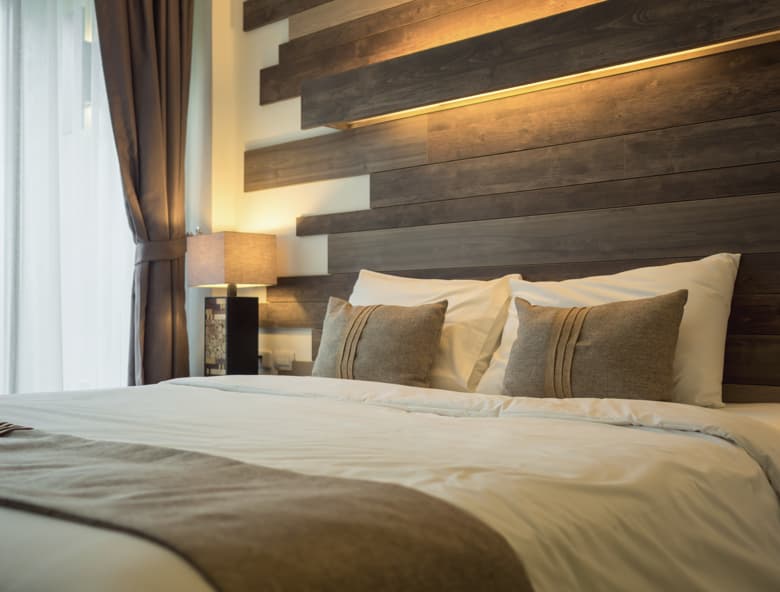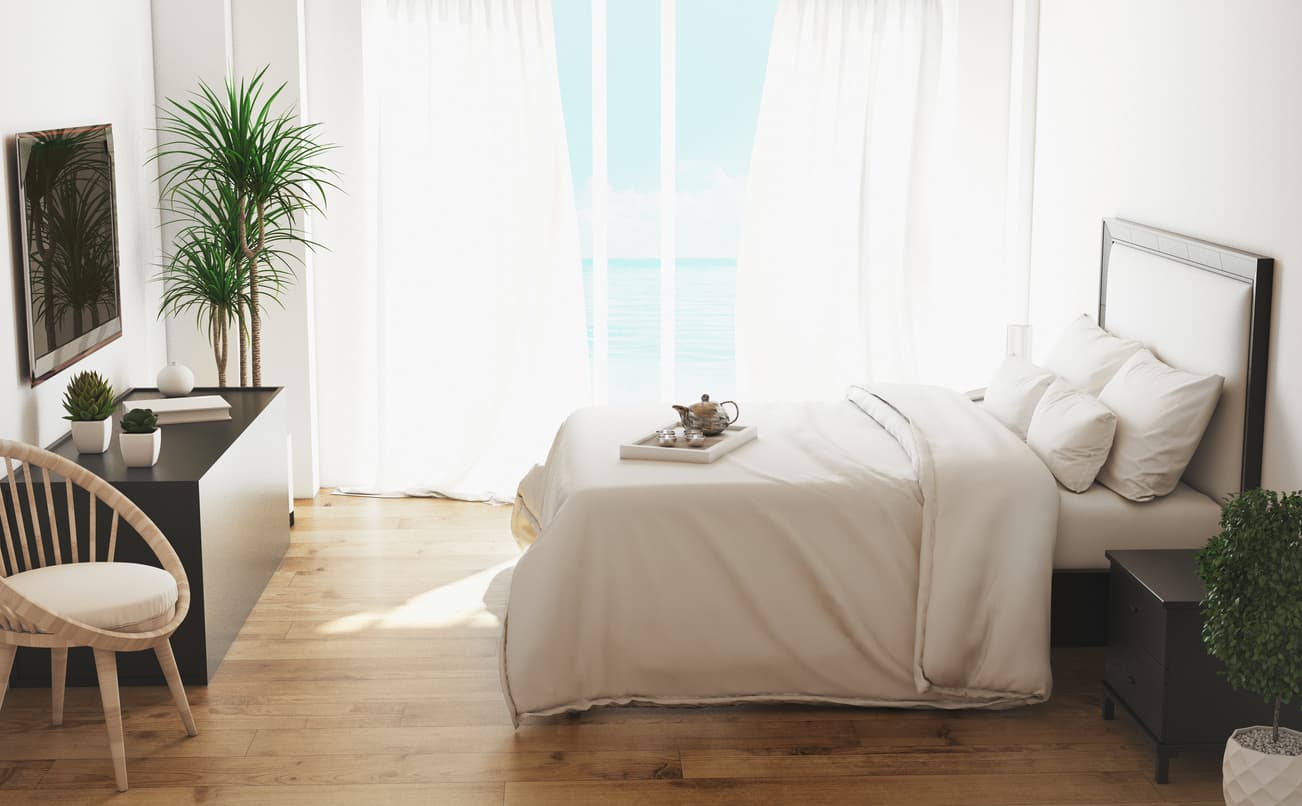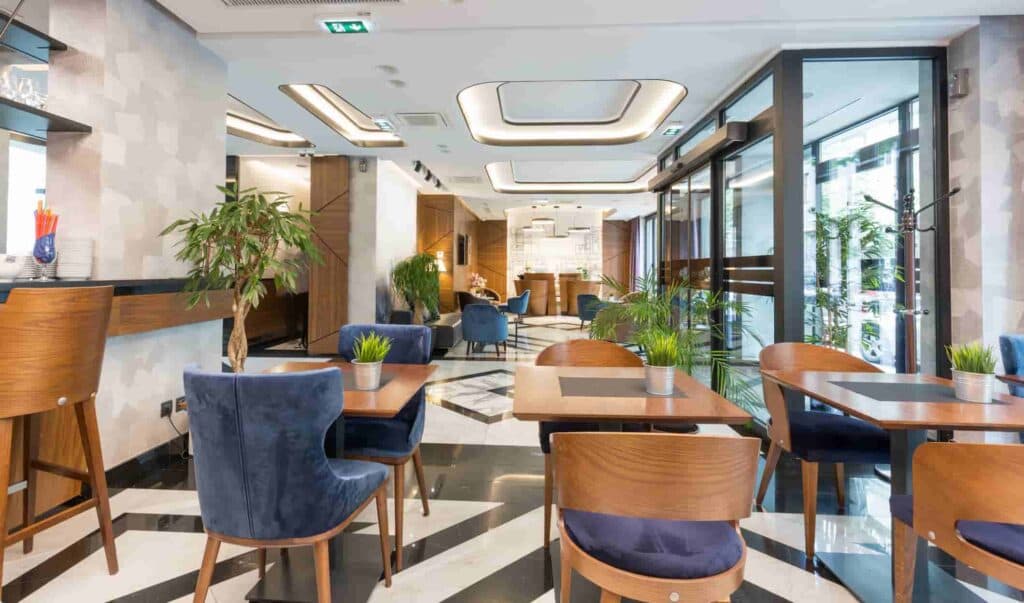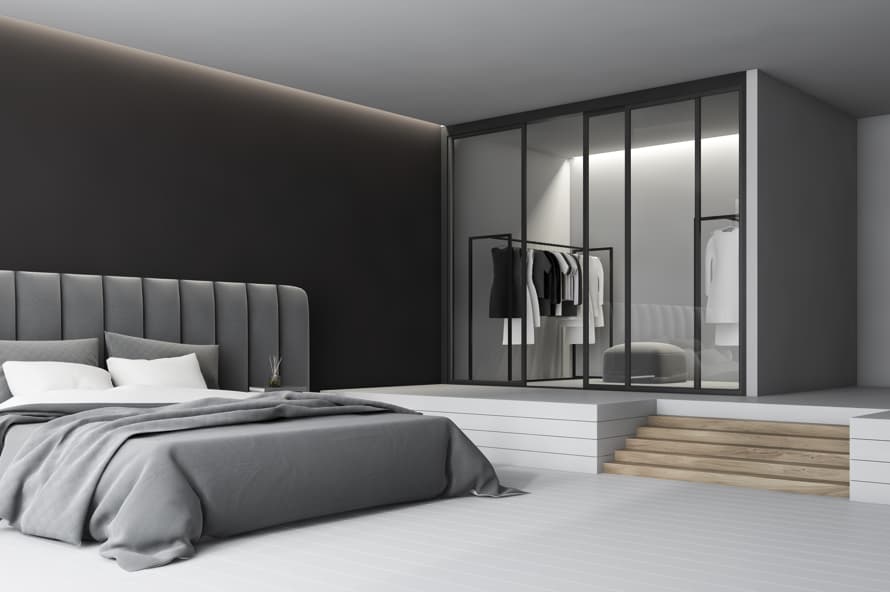
Hotel furniture space planning is one of the most important steps in creating hotel interiors that look professional, feel comfortable, and work efficiently in daily operation. For Ghana hotel projects, furniture placement should not be decided after construction finishes; it should be part of the wider hotel furniture design planning Ghana process from the beginning. When room layouts, lobby circulation, furniture dimensions, guest movement, storage needs, and installation details are planned early, hotel owners can reduce costly revisions and create spaces that perform well for many years.
Hotel furniture space planning is the process of arranging furniture, circulation routes, guest zones, storage areas, and operational access before production and installation. It helps hotels improve comfort, protect usable space, reduce furniture damage, and make rooms, lobbies, restaurants, and public areas work efficiently in daily hotel operations.
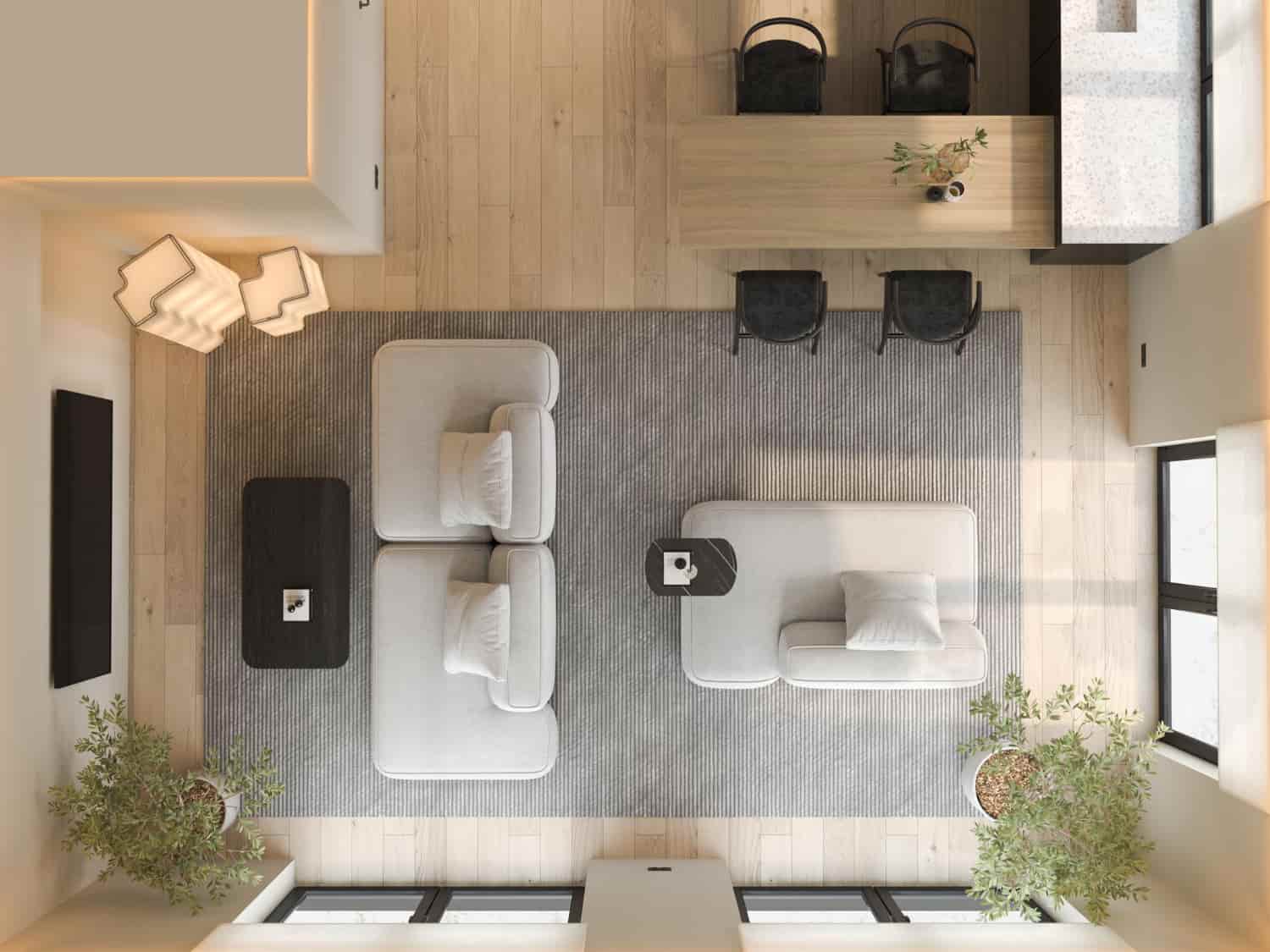
Hotel furniture space planning matters because hotel interiors are not only designed for appearance. They must support real guest behavior and daily staff operations. Guests arrive with luggage, move through rooms, sit, sleep, work, eat, wait, and use storage. Staff clean rooms, move loose furniture, inspect damage, manage housekeeping routes, and maintain public areas. If the furniture layout does not support these actions, the hotel may look attractive in photos but perform poorly in reality.
A good hotel layout protects both guest satisfaction and long-term investment. Furniture is a major FF&E cost, and once custom furniture enters production, layout mistakes become expensive to correct. A wardrobe that blocks a door, a desk chair that narrows circulation, or a lobby sofa that interrupts guest flow can create problems for years.
Hotel furniture space planning also helps project teams make better decisions before production. Instead of choosing furniture only by style, the team evaluates size, position, material, durability, maintenance access, and guest comfort. This creates a stronger connection between design, manufacturing, logistics, and hotel operation.
Guest experience depends heavily on how a space feels when people use it. A hotel room does not need to be very large to feel comfortable. It needs clear movement, practical furniture dimensions, and logical zoning. Poorly planned furniture can make a large room feel crowded, while smart planning can make a compact room feel organized and premium.
In guest rooms, the main route usually connects the entrance, wardrobe, luggage area, bed, desk, bathroom, and window area. This route should feel natural. If the guest needs to move a chair to open a wardrobe or walk sideways between the bed and wall, the layout weakens the room experience.
This is why space planning should connect with detailed hotel room layout Ghana decisions. Guest room furniture should support sleeping, working, storage, luggage handling, lighting access, and cleaning routines. The goal is not to place more furniture inside the room. The goal is to place the right furniture in the right dimensions.
The most common space planning risk in hotel projects is overfurnishing. Owners often add larger beds, extra seating, wider wardrobes, decorative panels, and bigger desks without checking circulation. This can reduce comfort, slow housekeeping, increase damage points, and make rooms feel smaller than their actual size.
Every hotel project has a different category, budget, location, concept, and guest profile. However, several planning standards apply to most hospitality interiors. These standards help hotel owners, architects, interior designers, and furniture manufacturers check whether the layout will work in real use.
The first standard is clear circulation. Guests and staff should move through the space without obstacles. Circulation routes should not be blocked by sharp corners, oversized tables, loose chairs, decorative objects, or poorly positioned storage units. In hotel rooms, circulation affects comfort. In lobbies, it affects arrival flow. In restaurants, it affects service speed.
The second standard is functional zoning. Each area should have a clear purpose. A deeper hotel furniture zoning strategy helps define how these zones function across the entire hotel, ensuring that guest flow, staff movement, and operational efficiency are properly aligned.A guest room usually needs sleeping, storage, working, luggage, and relaxation zones. A lobby needs reception, waiting, lounge, circulation, and sometimes café or informal meeting zones. A restaurant needs dining, service, entry, waiting, and staff movement zones.
The third standard is correct furniture scale. Furniture must match the size and function of the space. Oversized furniture can make a hotel look crowded. Undersized furniture can make the interior feel weak or unfinished. In hotel furniture space planning, furniture should be checked through real dimensions, not only visual preference.
The fourth standard is operational access. Furniture should allow cleaning, maintenance, inspection, cable access, replacement, and repair. A beautiful layout that ignores maintenance will create hidden costs later.
Guest rooms are usually the most repeated spaces in a hotel project. This makes room planning extremely important. If a mistake appears in one room type, it may repeat across 40, 80, or 150 rooms. A small planning error can become a large project-wide cost.
The bed usually defines the room layout. Its position affects side tables, sockets, wall panels, lighting, TV viewing, wardrobe placement, and desk location. There should be enough space around the bed for both guest movement and housekeeping. When the bed is pushed too close to walls or furniture, the room feels tight and staff work becomes harder.
The wardrobe should sit in a logical position near the entrance or dressing zone. Door swings must not conflict with the entrance door, bathroom door, or luggage area. In compact rooms, sliding doors or open wardrobes can save space, but hardware quality and cleaning practicality must be considered.
The desk should not block the main walkway. A chair needs enough pull-out space. Electrical outlets should match actual guest use. If guests need to stretch cables across the room, the desk zone has not been planned correctly.
The luggage area is another critical detail. Without a proper luggage bench or shelf, guests place suitcases on beds, desks, or floors. This can damage finishes and make the room feel disorganized. A strong luggage bench with a durable surface protects both guest comfort and furniture life.
In a 100-room hotel, one furniture planning mistake repeats 100 times. If each correction costs only $50 per room after production, the total correction cost becomes $5,000. This does not include installation delay, replacement shipping, labor, or room opening delays.
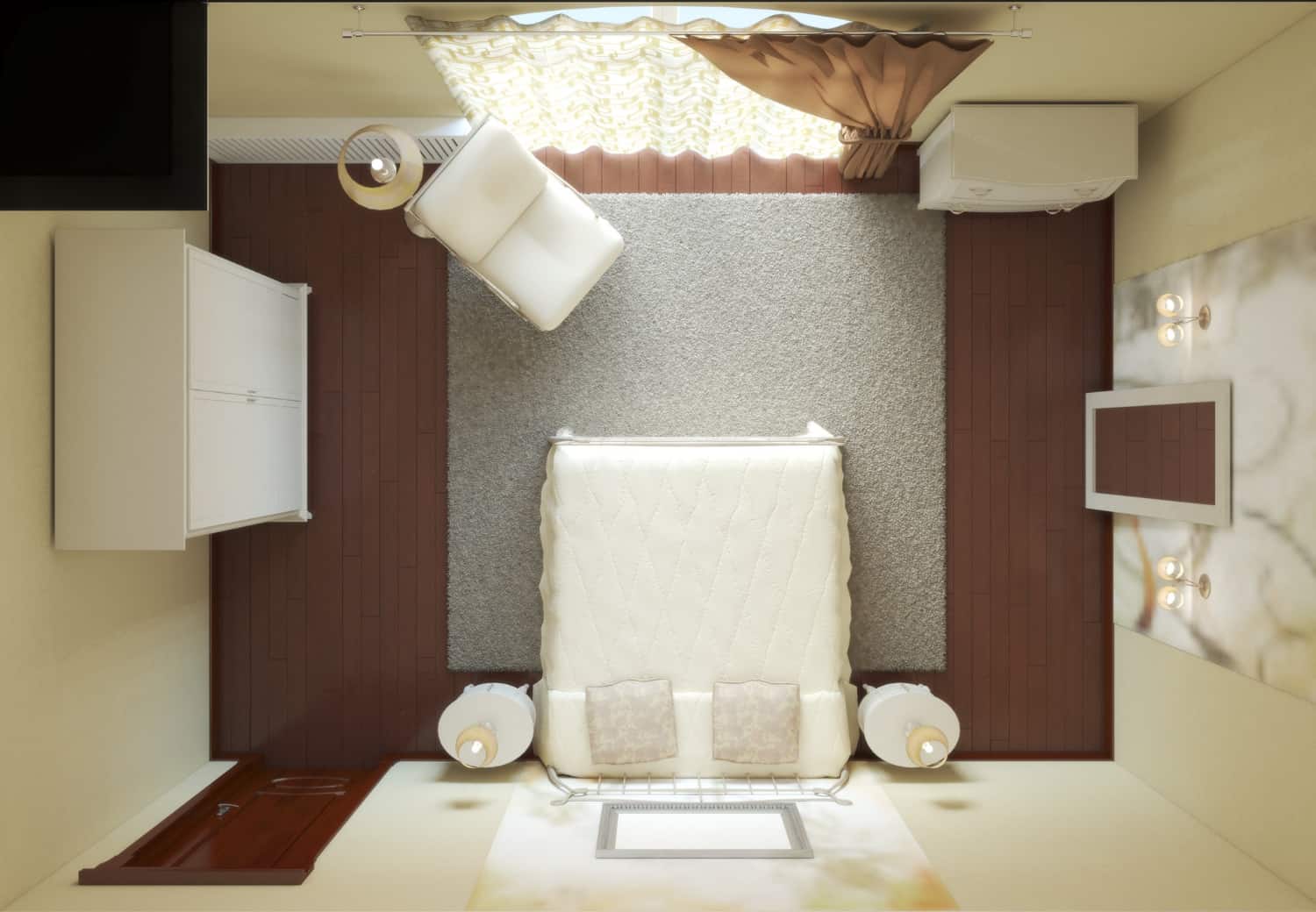
The lobby creates the first physical impression of the hotel. It also controls guest movement. A strong lobby layout helps guests understand where to go, where to wait, where to sit, and how to move toward elevators, rooms, restaurants, meeting spaces, or reception.
Lobby furniture should not block the natural arrival path. Sofas, lounge chairs, coffee tables, planters, and decorative elements should guide movement instead of interrupting it. Seating groups should create comfort without turning the lobby into an obstacle course.
This is why public area planning should connect with hotel lobby furniture layout decisions from the early design stage. Reception counters, lounge seating, circulation corridors, waiting areas, luggage movement, and visual sightlines should work together.
A lobby also needs balance between visual impact and durability. Hotel lobbies experience heavy use. Guests sit with bags, children move around, staff pass through, and furniture faces constant contact. Materials, upholstery, foam density, table surfaces, and metal or wood structures should match this level of use.
Lobby furniture should be planned together with reception flow, luggage movement, elevator access, and restaurant or café entry points. If these routes are checked only after furniture production, the hotel may need to remove or replace expensive custom pieces before opening.
Hotel furniture space planning also affects restaurants, cafés, meeting rooms, corridors, terraces, and lounges. These spaces must handle different guest behaviors and different operational needs.
In restaurants, furniture placement affects seating capacity, service speed, guest comfort, and revenue potential. Too many tables can increase theoretical capacity but reduce comfort and damage the dining experience. Too much empty space may look elegant but reduce commercial efficiency. The right balance depends on the hotel category, restaurant concept, service model, and expected guest volume.
Chair movement is especially important. Guests need space to sit and stand comfortably. Service staff need space to move with plates, trays, and cleaning equipment. Table sizes should match the expected dining style. A breakfast area, fine dining restaurant, and casual hotel café do not need the same furniture plan.
In meeting rooms and event areas, flexibility matters. Stackable chairs, movable tables, modular layouts, and durable storage areas can improve operational efficiency. However, flexible furniture should still match the visual standard of the hotel.
Space planning directly affects furniture durability. According to standards defined by the International Organization for Standardization, quality, safety, and long-term performance in furniture depend not only on materials but also on how products are designed and used within a space. Poorly placed furniture gets damaged faster. A desk corner in a tight walkway will receive constant impact. A luggage bench without enough surrounding space may suffer scratches and edge damage. A lobby coffee table placed too close to seating may get kicked or moved frequently.
Durability is not only a material issue. It is also a planning issue. Even strong materials can fail early if furniture sits in the wrong position. For Ghana hotel projects, where humidity, heavy use, frequent cleaning, and guest turnover can affect furniture performance, layout and material selection should work together.
High-contact areas need stronger surfaces. Luggage zones need scratch-resistant finishes. Lobby seating needs commercial-grade upholstery. Restaurant chairs need strong joints and easy-clean materials. Wardrobe hardware needs to handle repeated use. These decisions should be made during the hotel furniture space planning stage, not after installation.
Hotel furniture space planning helps control cost before mistakes become expensive. Many project cost increases happen because furniture decisions are made too late or without enough technical coordination. When dimensions change after production starts, the project may face redesign costs, production delays, or replacement costs.
A clear space plan helps the furniture manufacturer prepare accurate shop drawings, material lists, packing plans, and production schedules. It also helps the hotel owner understand which items are essential and which items only add visual complexity.
Cost control does not mean choosing the cheapest furniture. It means choosing furniture that fits the space, performs well, and avoids unnecessary problems. A slightly more expensive but correctly planned furniture package can be more economical than a cheaper package that creates maintenance issues and guest complaints.
Space planning can reduce hidden project costs by preventing oversized furniture, wrong dimensions, blocked circulation, and late installation revisions. In hotel projects with many repeated rooms, even a small planning improvement can create significant savings across the full FF&E package.
Hotel furniture space planning should begin before production drawings are approved. The project team should review architectural plans, interior design concepts, room types, furniture lists, material choices, MEP positions, lighting points, and real site measurements.
The first step is to define the function of each area. A guest room should not be planned only as a sleeping space. It should support luggage, storage, work, relaxation, charging, lighting, and cleaning. A lobby should not be planned only as a reception area. It should support arrival, waiting, movement, social interaction, and wayfinding.
The second step is to check furniture dimensions against actual space. Every major item should be tested in the plan: bed, headboard, wardrobe, desk, minibar unit, luggage bench, sofa, chair, table, reception counter, and lobby seating. Door swings, chair pull-out space, and walking routes should be checked before production.
The third step is to coordinate with the furniture manufacturer. Custom hotel furniture requires technical details such as panel thickness, hardware, edge banding, upholstery, fixing methods, and packing requirements. Early coordination helps avoid site conflicts and improves production accuracy.
The fourth step is to approve a sample room or mock-up when possible. A sample room allows the owner, designer, and manufacturer to test the real experience before mass production. It can reveal proportion problems, color mismatches, material issues, or installation conflicts.
Ghana hotel projects often serve multiple guest types, including business travelers, domestic tourists, international visitors, conference guests, and long-stay guests. This makes space planning especially important. A hotel in Accra may need stronger business functionality, while a resort or leisure hotel may need more relaxed seating and storage comfort.
Climate and maintenance conditions also matter. Furniture should not only fit the room; it should withstand humidity, cleaning, luggage impact, and frequent use. Space planning should protect vulnerable surfaces by placing furniture in practical positions and choosing the right materials for high-contact areas.
For example, a wardrobe near the entrance may work well if it does not block the door or bathroom route. A desk near the window may improve guest comfort if it does not create glare or circulation problems. A lobby lounge near the entrance may look attractive, but it should not interrupt luggage movement.
Strong hotel furniture space planning helps Ghana hotel owners create interiors that feel organized, durable, and commercially efficient.
One common mistake is planning furniture only from renderings. Renderings can help show mood and design direction, but they do not always show exact movement, maintenance access, or operational problems. A space can look excellent in a rendering and still fail in real use.
Another mistake is ignoring housekeeping needs. Housekeeping teams interact with guest room furniture every day. If the bed, desk, wardrobe, or luggage bench makes cleaning harder, the hotel loses time and efficiency every day.
A third mistake is using residential furniture dimensions in commercial hotel spaces. Hotel furniture faces heavier use than home furniture. Dimensions, materials, joints, surfaces, and upholstery should match contract-grade expectations.
A fourth mistake is planning public areas without guest flow analysis. Lobby and restaurant furniture should guide people naturally. If guests feel confused, blocked, or crowded, the furniture plan needs improvement.
Hotel furniture space planning is not just a design step—it is a business decision. Every layout choice directly affects guest comfort, operational efficiency, and long-term maintenance cost.
For Ghana hotel projects, the difference between a visually good hotel and a high-performing hotel comes from planning details. Clear circulation, correct furniture dimensions, durable materials, and functional zoning create spaces that feel comfortable and work efficiently every day.
When space planning is handled early and connected with the full design process, hotels avoid costly revisions, reduce operational problems, and deliver a more consistent guest experience.
In simple terms: better planning leads to better performance.
Hotel furniture space planning is the process of arranging furniture, circulation routes, storage areas, and functional zones before production and installation. It helps hotels create comfortable, efficient, and durable interiors. A good plan supports guests, staff, housekeeping, maintenance, and long-term hotel operation.
Hotel furniture space planning is important for Ghana projects because hotels must balance guest comfort, durability, humidity conditions, heavy use, and project budget. Early planning helps owners avoid oversized furniture, weak circulation, installation problems, and repeated room mistakes across the property.
Hotel furniture space planning reduces cost by preventing wrong dimensions, unnecessary furniture items, production revisions, and installation conflicts. When layouts are checked before manufacturing, the hotel can avoid expensive corrections and reduce long-term maintenance problems caused by poor furniture placement.
Hotel furniture space planning should include guest rooms, lobbies, restaurants, cafés, corridors, meeting rooms, lounges, terraces, and service-related areas. Each area needs clear circulation, correct furniture scale, durable materials, and practical operational access for guests and staff.
Yes, hotel furniture should be planned before construction ends. Early coordination allows the project team to align furniture dimensions with walls, doors, lighting, sockets, AC units, and site measurements. Late planning can cause layout conflicts, production delays, and unnecessary cost increases.
The biggest mistake in hotel furniture space planning is overfurnishing. Many hotels try to add too many pieces into limited areas. This reduces circulation, makes rooms feel smaller, slows cleaning, increases furniture damage, and weakens the guest experience.
Space planning affects hotel room comfort by controlling movement, bed access, desk usability, wardrobe function, luggage placement, and visual balance. A well-planned room feels easier to use, cleaner, and more comfortable, even when the room size is not very large.
WhatsApp us