Most hotel developers treat shipping hotel furniture to Ghana as a logistics checkbox — something to sort out once the factory confirms production. That assumption costs money and, on projects with tight opening dates, it costs time that cannot be recovered. Shipping hotel furniture Ghana projects depend on is not one decision but a sequence of them: which method, which terms, which port procedures, which storage plan, and how all of it connects to the construction schedule. If you are still in the early sourcing phase, the full guide on exporting hotel furniture from Turkey to Ghana covers the wider export process. This guide goes deep on the logistics and shipping execution specifically — from container selection through Tema clearance to furniture on site.
Quick Answer
Shipping hotel furniture from Turkey to Ghana takes 10–16 weeks end to end — production, ocean transit, Tema clearance, and inland delivery combined. Full Container Load is the right method for hotel projects. Plan for Tema port delays and get import documents right before the vessel arrives, not after.
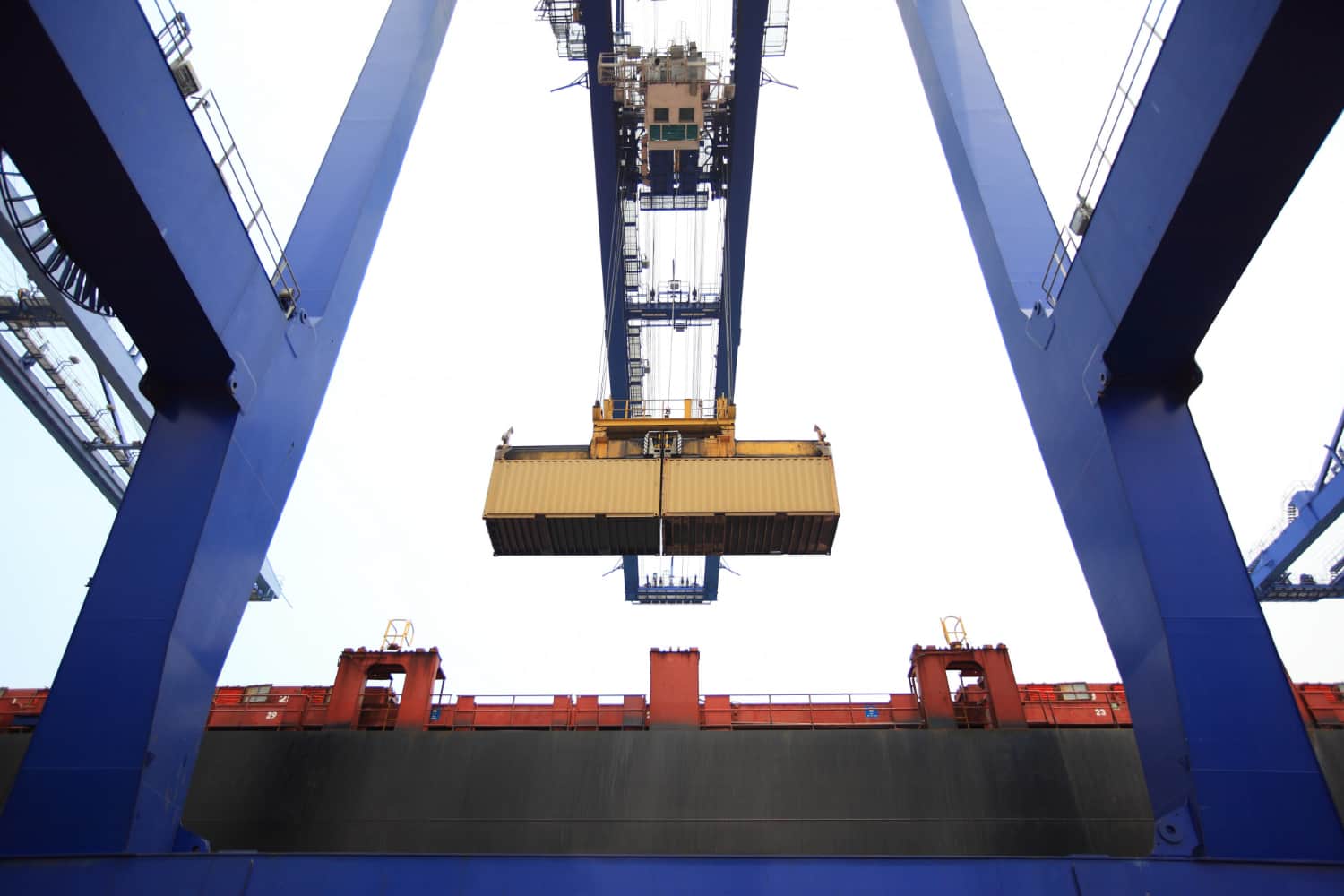
A hotel furniture shipment from Turkey to Tema is not a parcel delivery — it is a coordinated operation with at least six distinct handover points, each carrying its own timeline and failure modes. Production sign-off, container loading, export clearance at the Turkish port, ocean transit, customs clearance at Tema, inland delivery, and finally site installation. Miss the coordination between any two of those stages and the project absorbs delays that compound quickly when an opening date is fixed.
Ghana adds a specific layer of complexity that developers importing for the first time consistently underestimate. According to the UNCTAD Transport and Trade Logistics programme, sub-Saharan African ports report average container dwell times significantly above global norms — Tema included. That is not a criticism of Ghana’s port infrastructure; it is a planning reality that needs to be priced into every project schedule before the order is placed.
⚠ Risk Insight
The majority of delays on Ghana hotel furniture projects happen at two points — not during the ocean crossing. The first is late production sign-off pushing the loading date back. The second is incomplete documents causing Tema clearance to stall. Both are avoidable. Neither gets fixed after the container ships.
Choosing FCL is only the first container decision. How the container is loaded — sequencing by installation phase, weight distribution, bracing systems, and moisture protection — determines whether the furniture arrives in installation-ready condition. For the complete loading guide, see hotel furniture container loading.
Eight weeks between production completion and opening day is a schedule that fails on paper and in practice. The full timeline from production start to furniture installed on site runs 10 to 16 weeks, and that range assumes no meaningful delays at any stage. The table below shows a realistic breakdown.
| Stage | Typical duration | Main risk |
|---|---|---|
| Production | 4–8 weeks | Late material approval or change requests |
| Container loading & export prep | 3–7 days | Document errors discovered at origin port |
| Ocean transit (Turkey → Tema) | 4–6 weeks | Vessel schedule changes, hub port delays |
| Tema customs clearance | 5–10 days | Document inconsistencies, inspection selection |
| Inland delivery to site | 2–5 days | Site not ready for receiving |
The table shows the mechanics, but the real planning discipline is in the buffer. Add two weeks on top of the 10-to-16-week window specifically for Tema port unpredictability. That means working backwards from your opening date by 18 weeks minimum to set the production start date. Developers who start that calculation in week 10 of a construction project are already behind.
💰 Cost Insight
On a typical 60-room hotel project, demurrage and unexpected port storage fees add 8–15% to the total shipping budget when document issues cause delays. That is not a logistics failure — it is a documentation failure that logistics then pays for. Every dollar spent preparing complete, consistent export documents before the vessel sails pays back many times over at Tema.
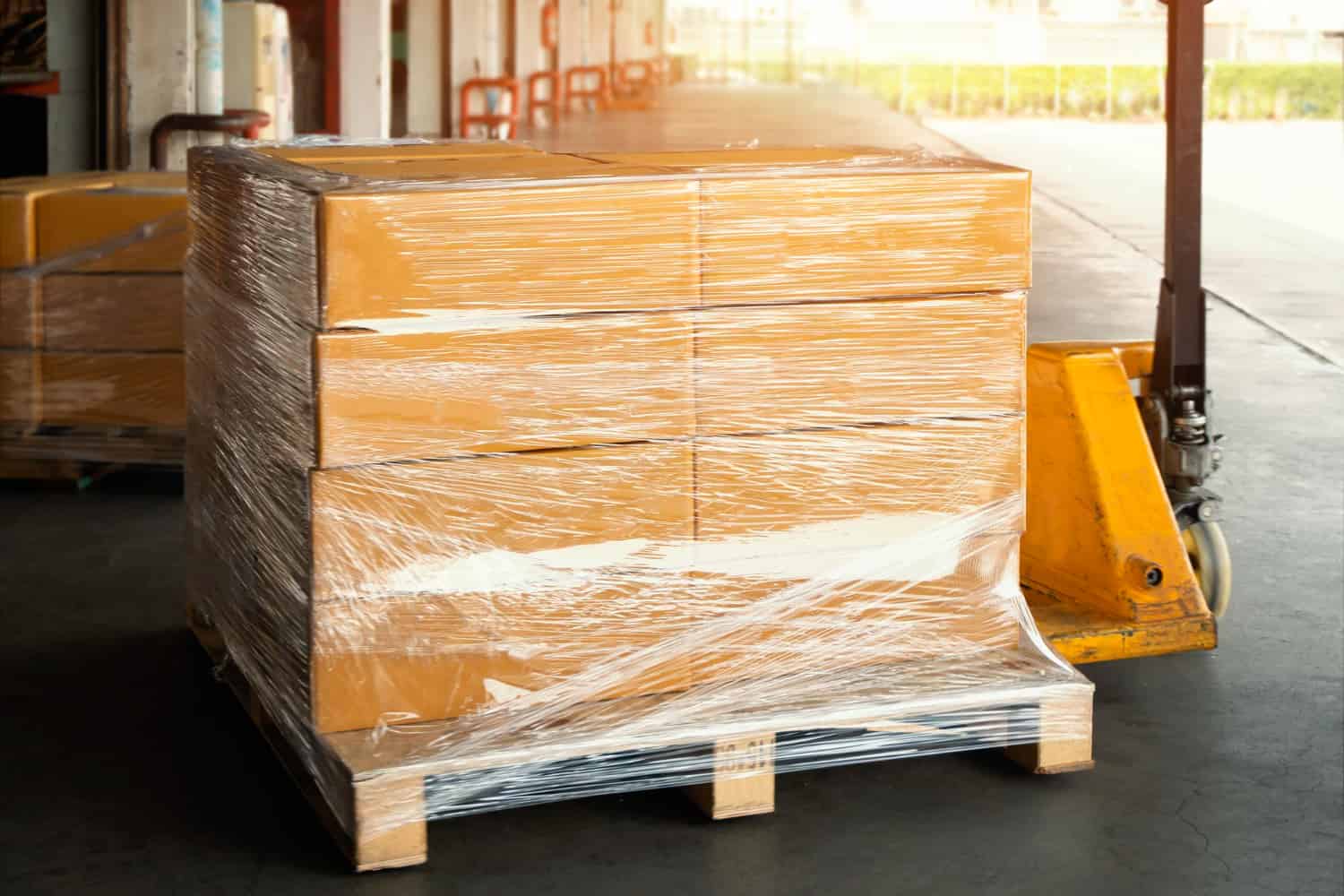
Tema is Ghana’s primary deep-water port and handles nearly all of the country’s containerised imports. It is also a port where experienced importers build buffer into their schedules as a matter of course, not as a contingency. Congestion periods, extended unloading queues, and customs inspection selections are regular features of operating through Tema — they are not exceptional events.
The most effective way to manage Tema risk is pre-arrival document submission. Ghana Customs uses an electronic clearing system, and filing the commercial invoice, packing list, bill of lading, certificate of origin, and Form M import declaration before the vessel arrives consistently reduces clearance time by three to seven days compared to filing on arrival. That difference, on a project with a fixed opening date, often determines whether the installation crew is working to schedule or waiting for a container. The full picture of what import duties add to the landed cost — including VAT, NHIL, and GETFund levy — is covered separately in the furniture import duty Ghana guide, which is worth reading before you finalise the project budget.
FOB and CIF are the two Incoterms that most hotel furniture developers work with, and the choice between them is a genuine risk management decision — not just a preference. Under FOB (Free on Board), your supplier’s responsibility ends the moment the furniture is loaded onto the vessel at the Turkish port. From that point you arrange freight, insurance, and manage everything through Tema and beyond. Under CIF (Cost, Insurance, Freight), the supplier arranges and pays for ocean freight and insurance to Tema. Your responsibility starts at the destination port.
CIF is the lower-friction choice for developers who are running their first Ghana project or who do not have an established relationship with an international freight forwarder. The supplier handles the ocean leg and you focus on the clearance and inland delivery — the stages where local knowledge matters most. FOB makes more sense once you have the freight relationships and volume to negotiate better rates than your supplier can, or when you want direct control over carrier selection. Either way, the choice should be made deliberately and documented in the purchase agreement — not left ambiguous until the production is finished and a container needs booking.
✅ Execution Insight
The single highest-leverage action in shipping hotel furniture Ghana projects is submitting all customs documents before the vessel arrives at Tema. Pre-arrival clearance typically saves 3–7 days on a 5-to-10-day process. On a project where installation crews are booked and contractors are waiting, that margin is the difference between a smooth handover and a disrupted one.
Cargo insurance is not optional on a hotel furniture shipment, and the decision about coverage level matters as much as the decision to insure at all. A standard All Risks marine cargo policy covers physical loss or damage from the factory door to the project site — loading, ocean transit, unloading, and inland delivery. The premium runs at approximately 0.3 to 0.5 percent of the declared cargo value. On a $150,000 furniture shipment, that is $450 to $750. Against the replacement cost of custom hotel casegoods, it is not a number worth cutting.
Under CIF terms, the supplier includes insurance to Tema as part of the freight arrangement — but the standard CIF coverage is minimum: 110 percent of invoice value under the Institute Cargo Clauses (C). That level of coverage is adequate for generic cargo. For custom hotel furniture with lead times of 6–8 weeks and no off-the-shelf replacement, it is not. If you are shipping CIF, confirm the coverage level in writing and top it up if necessary. Under FOB terms, you arrange insurance from the point of loading and control the coverage directly.
Key considerations when planning coverage:
– Cargo insurance type: All Risks marine cargo policy is the correct baseline — not minimum CIF coverage
– Responsibility split: CIF terms place minimum coverage on the supplier; FOB terms give you direct control
– Damage claim procedures: document all damage at the point of delivery before any items are moved or installed; claims filed after installation begins are significantly harder to recover
Without proper insurance planning, financial losses from damaged custom pieces fall on the developer, disputes over responsibility extend project timelines, and replacement production adds 6–8 weeks to the opening schedule.
Before any container leaves the factory, work through this sequence. Production must be fully complete and signed off — not “almost done” with a few doors still to be fitted. Export documents — commercial invoice, packing list, bill of lading, certificate of origin — must be cross-checked for consistency across all documents, because a value discrepancy between the invoice and packing list is enough to trigger a customs hold at Tema. The Form M must be filed or ready to file immediately on vessel departure. The customs broker at Tema must be briefed and holding all documents. Cargo insurance must be confirmed with coverage scope understood. Temporary storage near the project site must be arranged and accessible. Site readiness must be confirmed with the main contractor within the receiving window. Payment stages tied to the shipping milestones must be aligned with the factory and freight forwarder. Running this as a gate — something that must be complete before the container books — prevents the majority of delays, extra costs, and site complications that shipping hotel furniture Ghana projects regularly produce when it is treated as a checklist to complete after the container has already sailed.
Most developers find a freight forwarder the same way they find a supplier — through a recommendation, a Google search, or the factory suggesting someone they already work with. None of those routes are wrong, but the criteria for evaluating a forwarder on a hotel furniture shipment to Ghana are specific enough that a general logistics provider can create serious problems even while appearing professional and responsive.
The first thing to establish is whether the forwarder has direct, recent experience clearing furniture at Tema. Not cargo in general — furniture specifically. HS code classification for hotel furniture involves upholstered seating, wooden casegoods, metal frames, and sometimes glass components, each with different duty rates and different customs treatment. A forwarder who handles electronics or industrial machinery at Tema is not automatically equipped to handle the classification decisions and inspection management that a mixed furniture shipment requires. Ask for two or three recent references from hotel or furniture projects cleared through Tema, and follow up on them.
The second thing to confirm is end-to-end capability versus handoff-based services. Some forwarders manage origin handling and ocean freight directly but hand the shipment to a local agent at Tema — and that local agent relationship is where delays and cost surprises most often originate. You want a forwarder who either owns the destination relationship or has a named, accountable partner at Tema they have worked with on multiple shipments. The moment accountability becomes unclear at the destination end, costs start accumulating and nobody takes responsibility for the demurrage clock.
Communication frequency matters more than most developers expect. A forwarder managing a hotel furniture shipment should be providing status updates at every milestone — container booking confirmation, vessel departure, estimated arrival at Tema, customs submission, clearance approval, and container release. If you have to chase for updates, the forwarder is not right for a project where delays have direct financial consequences. Set the reporting expectation before booking, not after the container is already at sea.
The container arriving at the project site is not the end of the shipping process — it is the beginning of the installation phase, and how the first day of receiving goes sets the tone for everything that follows. Developers who treat the container arrival as a finish line rather than a handover point consistently absorb damage, installation delays, and coordination problems that could have been prevented with thirty minutes of preparation.
Before the container arrives, confirm three things with your installation team and main contractor. First, the unloading area needs to be clear, accessible to a truck, and large enough to stage the full container contents without stacking pieces directly on each other. Second, the installation sequence for the first floor or zone needs to be agreed — which room types go first, which pieces go into which rooms, and how items are labelled relative to the packing list. Third, a responsible person on site needs to have the packing list in hand and be checking quantities and condition as pieces come off the truck. Not after. During.
Damage that is discovered after the delivery team has left is significantly harder to claim against insurance or the freight forwarder than damage documented at the point of receipt. Walk the container before it is fully unloaded. Check for water ingress along the container floor and walls — condensation damage on a five-week ocean transit is not rare, and it shows in the carton bases before it shows in the furniture. Any piece with visible carton damage gets opened and inspected on the spot, noted on the delivery receipt, and photographed before the driver leaves. That thirty-second action at receipt is worth far more than a claim process that runs for months afterward.
The packing list from the factory should match the bill of lading, which should match what comes off the truck. If there is a discrepancy in quantity — a box missing, a piece damaged beyond use — it gets documented on the delivery receipt as a formal short delivery or damage notation. That notation is what activates the insurance claim process. Without it, the claim is difficult to substantiate regardless of how clear the photographic evidence is later. Treat the first day of receiving as a quality control event, not a logistics one, and the rest of the installation process runs on a cleaner foundation.
Typically 10–16 weeks depending on project size and logistics conditions.
Full Container Load (FCL) is the most efficient for hotel projects.
Damage, delays, and incorrect documentation.
Optimize container loading and choose the right logistics strategy.
Invoice, packing list, bill of lading, and certificate of origin.
WhatsApp us