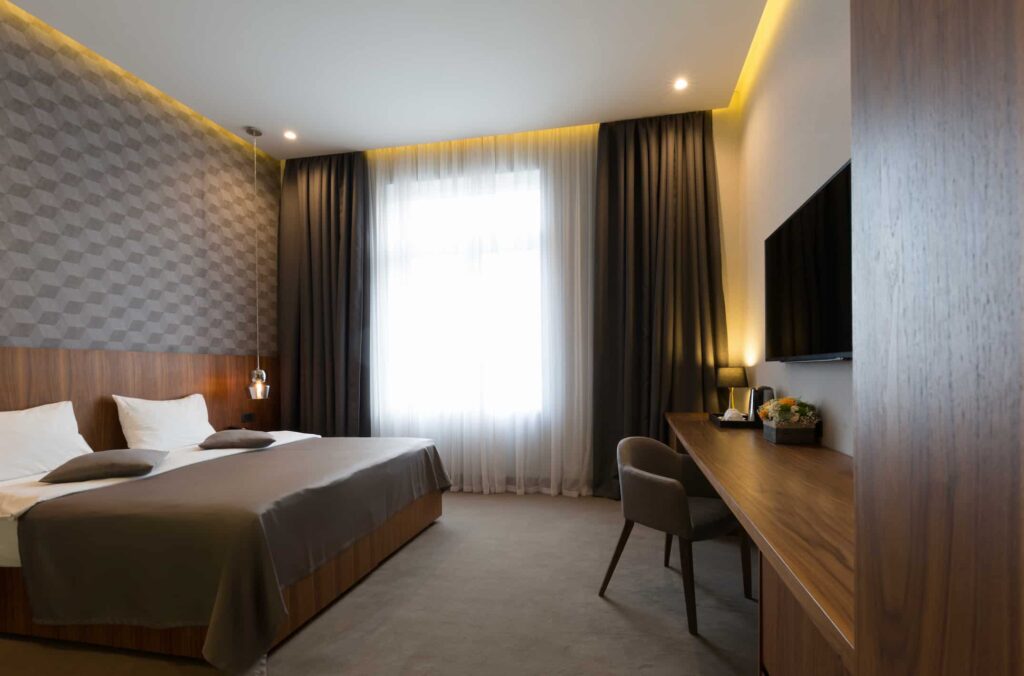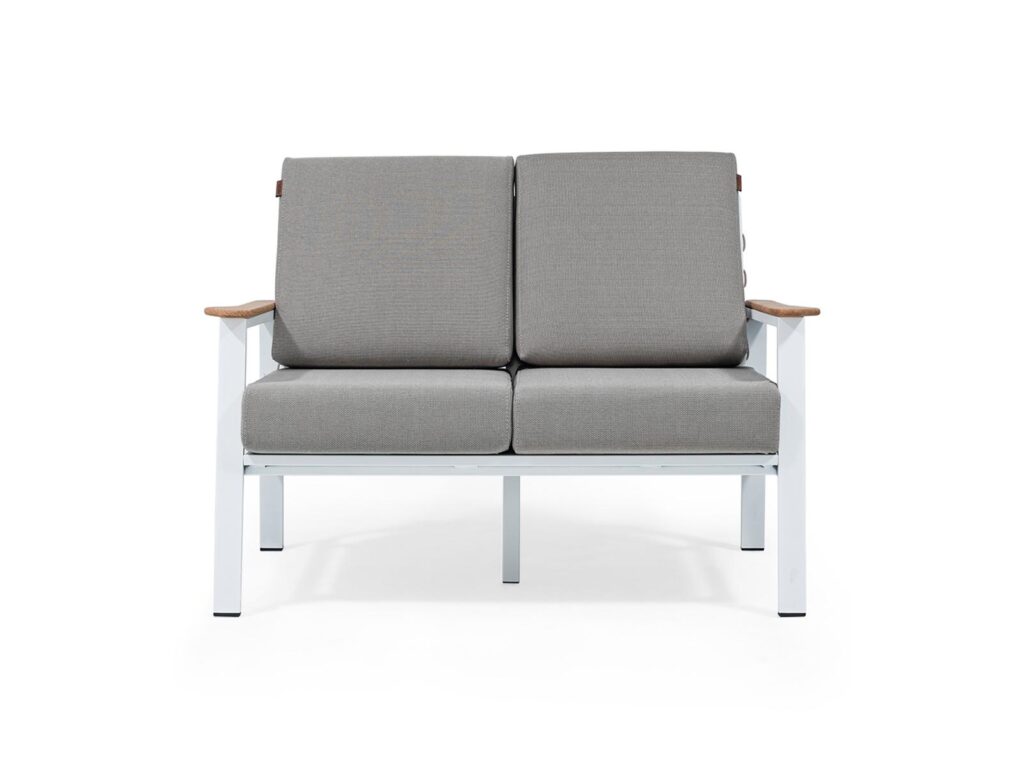
Turkish hotel furniture factory direct sourcing means establishing a direct relationship with the manufacturing facility — bypassing trading companies, agents, and intermediaries. For Ghana hotel projects, this model produces better specification control, more transparent pricing, faster problem resolution, and lower long-term cost than working through middlemen. Verification requires a factory visit or structured video walkthrough, production documentation review, and reference checks from completed comparable projects — not just a website or a showroom.
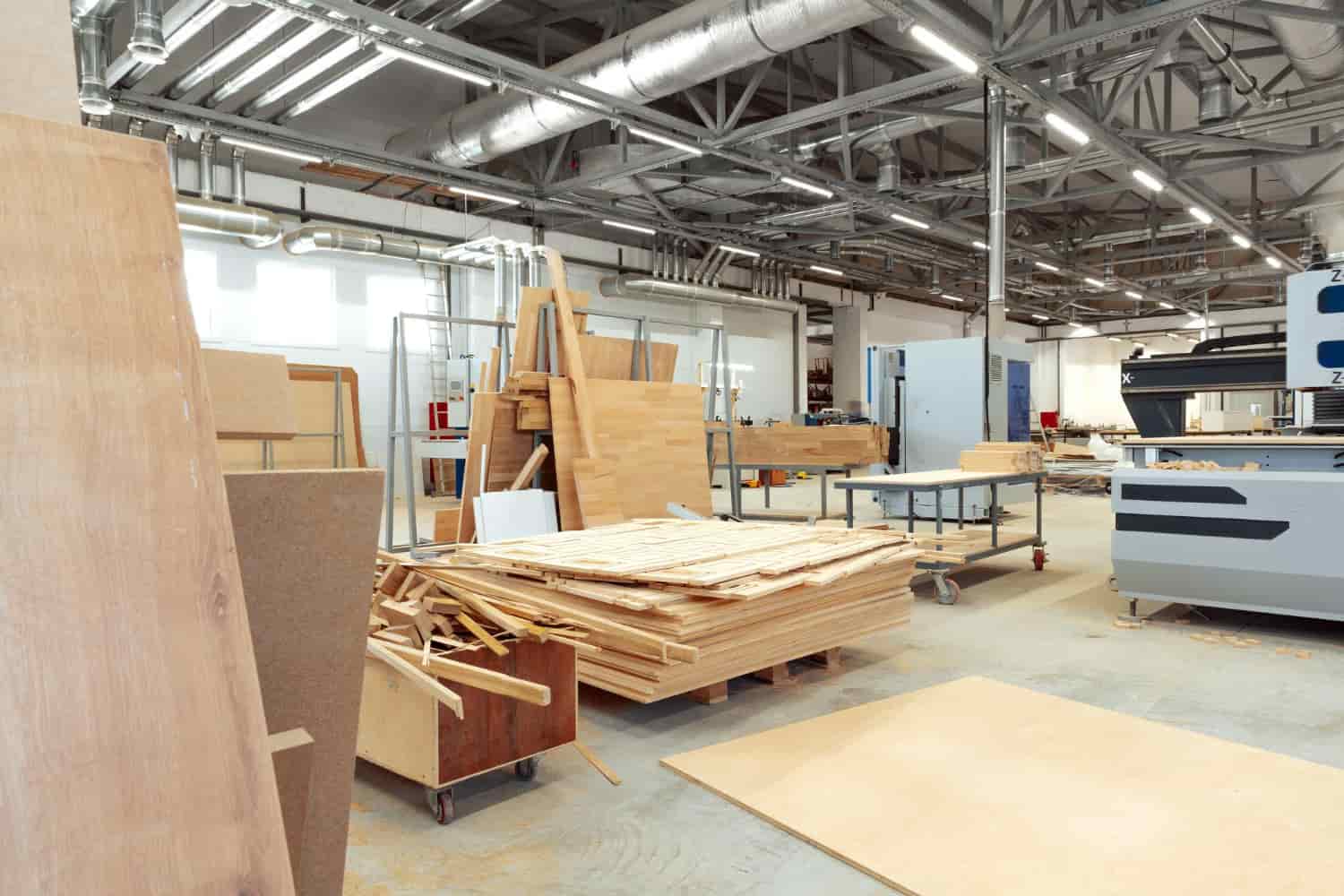
The term “factory direct” is used freely in the Turkish furniture export market — by manufacturers who genuinely own production facilities, by trading companies who source from those manufacturers, and by agents who represent multiple factories without owning any of them. The claim is made because buyers prefer it: factory direct implies lower prices, better quality control, and more accountability. All of these advantages are real when the supplier genuinely is a factory. None of them are real when the “factory direct” claim is marketing language from an intermediary.
A genuine factory direct relationship has five characteristics that distinguish it from an intermediary relationship. The supplier owns the production floor — they employ the workers, control the machinery, and make production decisions. The supplier produces technical drawings — shop drawings with exact dimensions, material specifications, and hardware details are a standard output of their workflow, not something produced on special request. The supplier can show active production — a factory visit or structured video walkthrough reveals current production in progress, not an empty floor or a showroom. The supplier provides production documentation — QC inspection records, material certificates, and pre-shipment reports from previous comparable projects. The supplier resolves production problems directly — when a dimension is wrong or a finish does not match the approved sample, the person you speak to has the authority to stop production and issue a correction, not just pass a message to someone else.
An intermediary relationship has different characteristics. The supplier is geographically remote from production — their offices are in Istanbul or another commercial centre while production happens in Kayseri, Bursa, or another manufacturing city, and the communication layer between them creates delays and information gaps. The supplier cannot provide shop drawings from previous projects — they can share catalogues and product photographs, but not the technical production documentation that a real manufacturer generates as a workflow standard. The supplier deflects factory visit requests — offering showroom visits instead, or requiring advance scheduling that allows them to arrange access to a third-party factory. These are not conclusive indicators individually — but together, they indicate an intermediary, not a factory.
| Factor | Factory direct | Intermediary |
|---|---|---|
| Unit price | 10–18% lower than intermediary | Includes intermediary margin 10–18% |
| Specification control | Direct — confirmed with production team | Filtered through intermediary interpretation |
| Problem resolution | Hours — decision-maker is the factory | Days — intermediary must escalate to factory |
| Production documentation | Full — shop drawings, QC records, material certs | Partial — depends on what intermediary requests |
| Factory visit access | Direct — production floor visible anytime | Managed — intermediary controls access |
| After-sales support | Direct — factory archives specs, matched re-orders | Dependent on intermediary relationship continuing |
| MOQ flexibility | Negotiated directly with factory | May be inflated to justify intermediary involvement |
| Total project cost | Lower — fewer correction cycles | Higher when correction costs are included |
On a 60-room Ghana hotel project with a furniture budget of $120,000, an intermediary margin of 15 percent represents $18,000 in additional cost. The correction cost of a single mismanaged specification error — one container of incorrectly produced furniture requiring re-shipment — runs $8,000 to $20,000 depending on the error scope and container count. Factory direct sourcing eliminates both the margin and the correction risk. The decision is not just about price — it is about who controls the specification.
Finding genuine turkish hotel furniture factory direct manufacturers requires looking beyond the channels that intermediaries dominate. Most Google search results for “Turkish hotel furniture manufacturer” return intermediaries, trading companies, and agents rather than direct factories.
MOBITURK (the Turkish hospitality furniture exhibition) and IMOB (the international furniture fair in Turkey) are the primary venues where genuine Turkish hotel furniture manufacturers exhibit. Factory representatives at these fairs can show production floor photographs, describe their production capacity with specifics, and provide references from completed hotel projects. Intermediaries also exhibit — but they are easier to identify in person, where direct questions about production floor location and capacity produce vaguer answers. Turkish hotel furniture production is geographically concentrated in Kayseri, Bursa, İzmir, and Istanbul’s industrial zones. A procurement trip to Kayseri — Turkey’s primary furniture manufacturing hub — provides direct access to factory gates rather than showrooms. According to Turkey’s Investment Office sector data, Kayseri accounts for a significant share of Turkey’s total furniture export value, with a high concentration of hotel and contract furniture production.
Developers who have completed hotel projects in Ghana have already navigated the factory direct vs intermediary question. A direct approach to hotel operators in Accra asking which furniture suppliers they used — and whether they worked factory direct — produces recommendations validated by completed project delivery. A legitimate procurement agent is not the same as an intermediary — they represent the buyer’s interests, facilitate factory access, and charge a defined management fee rather than a product margin, preserving factory direct economics while providing coordination support.
Verification requires a structured process that produces evidence, not assurances. Assurances are what every supplier provides. Evidence is what distinguishes factories from intermediaries.
Request the factory’s full address and verify it using Google Maps satellite view. A genuine manufacturing facility shows as an industrial building with loading docks, material storage, and production hall dimensions consistent with claimed capacity. A supplier whose address corresponds to a commercial office building is operating from a sales office, not a production facility. Request a live video walkthrough of the production floor — not a pre-recorded video, but a live call in real time showing the cutting and edge-banding area, assembly area, finishing and lacquering area, upholstery section, and packaging dock. A genuine factory conducts this immediately or within 24 hours. Ask for shop drawings from a recently completed hotel project — dimensioned technical production drawings showing material thicknesses, joinery details, hardware positions, and finish specifications. A genuine manufacturer generates these as a standard workflow output. An intermediary cannot provide them.
Request two to three references from completed hotel projects at comparable scale — preferably including at least one West Africa or Ghana project. Contact references directly and ask specifically about production timeline adherence, specification compliance on delivery, and how the supplier handled problems. Before committing to a production order, request physical samples produced to your project specification. The sample production process reveals more about supplier capability than any verbal assessment. For how certification documentation supports the verification process — including what BIFMA, BS 5852, E1, and ISO 9001 certificates to request — the hotel furniture manufacturer certifications turkey guide covers what documents to request and how to verify their authenticity. For a structured supplier verification checklist including reference check questions and sample evaluation criteria, see the hotel furniture supplier reviews turkey guide.
The most expensive factory direct verification failure is discovering that a supplier is an intermediary after the production order has been placed. At this point, the developer has paid a deposit, the production timeline has started, and replacing the supplier means losing the deposit and restarting the procurement process from scratch — adding 8 to 12 weeks and significant cost to a timeline that was already planned. Front-load the verification process. Every hour spent on supplier verification before the order is placed saves days of correction work after it.
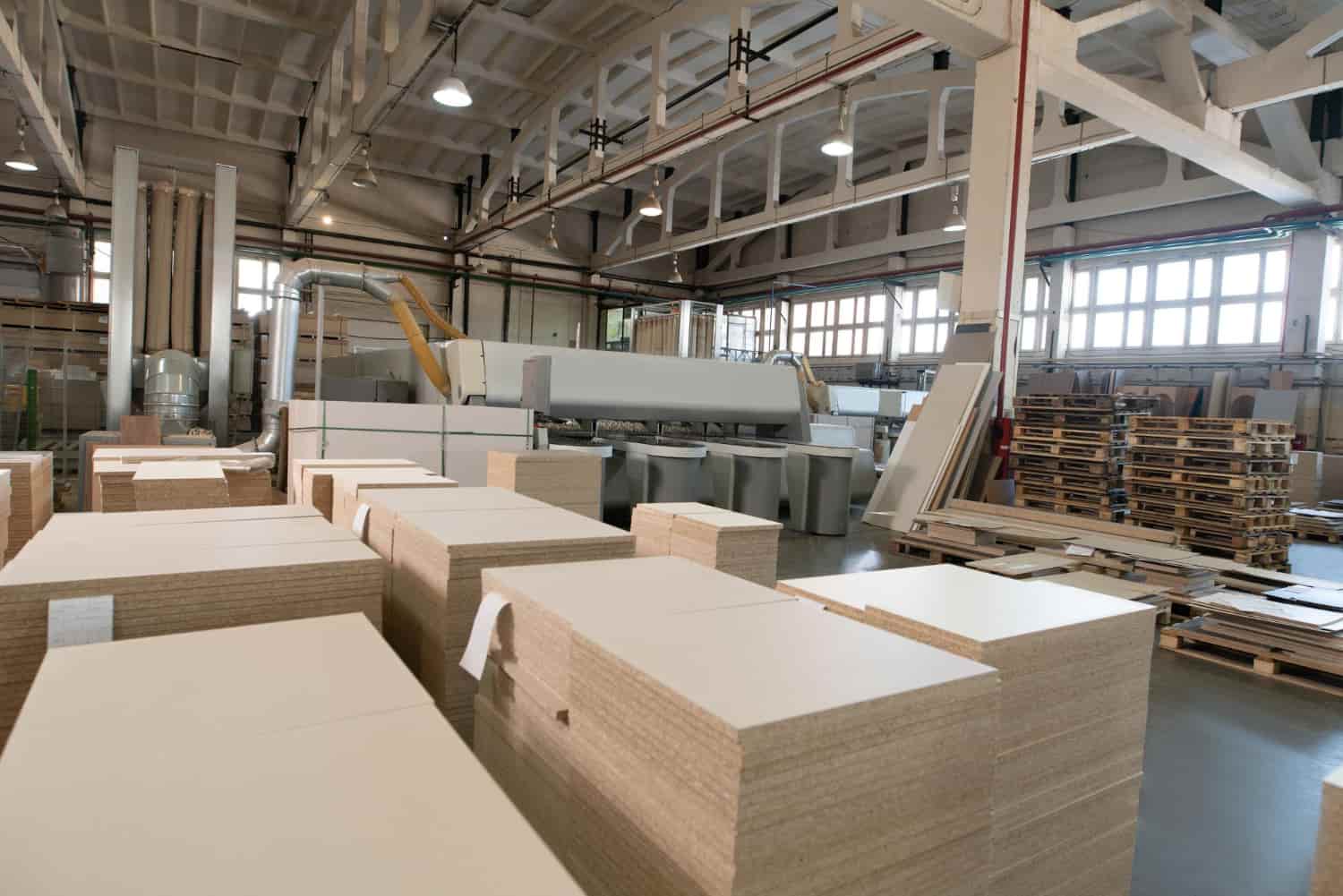
Sourcing factory direct transfers the coordination responsibilities that an intermediary would otherwise manage to the developer or their procurement representative. This is not a disadvantage — it is a trade-off. The coordination responsibilities are manageable, the visibility gain is significant, and the cost of managing them directly is far lower than the cost of the errors that intermediary communication layers generate.
The coordination responsibilities that factory direct sourcing requires include: BOQ development and technical specification — complete and accurate before the factory can quote or schedule production; sample approval management — scheduling, reviewing, and approving physical samples against defined acceptance criteria; production milestone tracking — requesting and reviewing progress updates at defined intervals; pre-shipment inspection coordination — either attending personally, sending a representative, or appointing a third-party inspection firm; and export documentation management — confirming that the Bill of Lading, commercial invoice, packing list, and certificate of origin are accurate before the container loads. None of these require specialist expertise — they require time and attention.
For developers who cannot invest the time to manage these responsibilities directly, a procurement agent — who charges a management fee rather than a product margin and works in the developer’s interest — is a better model than a trading company. For developers who can travel to Turkey, planning a structured visit hotel furniture factory turkey programme covering multiple factories in a single trip is the most efficient way to evaluate factory direct capability before committing to a production order. The hotel furniture lead time guide covers how the full sequence from BOQ to installation flows when managed factory direct.
The case for factory direct sourcing is strongest for large-scale hotel projects — 60 rooms and above — where the volume justifies the time investment in supplier verification and the cost saving is substantial.
Factory direct sourcing from a mid-size Turkish hotel furniture manufacturer is almost always the correct model at this scale. The order volume justifies the factory’s project setup cost, the developer has enough at stake to invest in proper verification, and the specification control advantage is most valuable where 100 identical wardrobes must match perfectly and a production error in any one of them creates an installation problem across multiple rooms.
The factory direct model works but requires more selective manufacturer identification. Not all Turkish factories accommodate a 25-room project efficiently — their minimum order values and production scheduling may not align. Factory direct at this scale means identifying a manufacturer whose setup aligns with smaller project requirements, which may mean accepting a slightly higher unit price. The hotel furniture minimum order quantity guide covers the minimum order value thresholds Turkish manufacturers typically apply and how to negotiate them for smaller projects.
For replacement orders after the hotel has opened, factory direct sourcing is even more important than for the original project — because finish matching and specification consistency require a direct relationship with the original production facility. A manufacturer who archived the production specifications from the original order can supply matched replacement pieces years later. For how warranty and after-sales support terms work with Turkish manufacturers, the hotel furniture warranty turkey guide covers what Turkish manufacturers typically commit to and what they exclude. For the full specification framework that guest room products must meet before any supplier relationship is established, the hotel guest room furniture specification guide sets the baseline against which all hotel furniture sourcing decisions should be evaluated.
The most effective factory direct sourcing process approaches two or three manufacturers simultaneously with a complete BOQ — not sequentially after one declines or underperforms. Parallel outreach produces comparable quotes on identical specifications, reveals which manufacturers ask the right clarifying questions (a sign of production literacy), and compresses the supplier selection timeline. A manufacturer who responds with a detailed, itemised quote referencing the specification is demonstrating factory capability. A manufacturer who responds with a round-number estimate without referencing the specification details is estimating — not quoting — and is likely an intermediary.
The quality of a factory direct quote is entirely determined by the quality of the brief the factory receives.
A complete factory direct brief for a Ghana hotel project covers: room type breakdown with floor plans or dimensioned layout drawings; item-level specification for every piece — substrate, surface finish code, edge banding, internal layout for casegoods, foam density and fabric grade for upholstered pieces, hardware by cycle count; material references in RAL, NCS, or named material codes; construction phase information — simultaneous or phased; and logistics requirements — destination port (Tema), preferred Incoterms, and whether third-party pre-shipment inspection is required. When this brief is shared with two or three factories simultaneously, the responses reveal which suppliers are genuinely direct manufacturers — a factory that responds with a line-item quote referencing the BOQ specification and noting where clarification is needed is demonstrating production literacy.
Standard Turkish hotel furniture factory payment structure runs in three stages: a production deposit of 30 to 40 percent to initiate technical drawings and sample production; a production payment of 30 to 40 percent after sample approval to release mass production; and the balance of 20 to 30 percent before shipment after pre-shipment inspection. Each payment stage triggers the next production stage — payment delays translate directly into timeline delays. Plan the payment schedule as part of the project timeline, not as a separate administrative process.
One of the advantages of factory direct sourcing is the ability to request certification documentation directly from the production source — without an intermediary filtering what is shared. A genuine direct manufacturer can provide certification documentation as standard practice.
Material-level certificates from the factory’s raw material suppliers — MR-MDF emission class certificates from the board supplier, foam density and CMHR compliance certificates from the foam mill, Martindale test certificates from the fabric mill. These are not documents the furniture manufacturer generates — they are documents the manufacturer receives from their supply chain and passes to the buyer. A factory that cannot provide supply chain certificates is either not sourcing to the specification they claim or does not maintain the documentation discipline that production compliance requires.
Factory direct sourcing is not the right model when the developer does not have the time or internal resource to manage the coordination responsibilities it requires. It is also not the right model for very small supplementary orders — individual replacement pieces or small quantities where factory minimum order values make direct procurement uneconomical. For these situations, working through a procurement agent who aggregates multiple small orders, or sourcing locally for items that can be matched locally, is more efficient than a direct factory approach.
A factory owns and operates production facilities — they employ workers, control machinery, generate technical drawings, and make production decisions. A trading company sources from factories and acts as a commercial interface between the buyer and production. The distinction matters because factories provide direct production accountability, faster problem resolution, and access to production documentation that trading companies cannot match. For Ghana hotel projects where production errors are expensive to correct, working with a factory rather than a trading company consistently produces better outcomes.
Five verification steps: address verification via satellite map, live video walkthrough of the production floor, shop drawing request from a previous hotel project, direct reference calls to completed comparable projects, and project-specific sample production before the order is placed. A genuine factory passes all five. An intermediary fails at least two — typically the video walkthrough and the shop drawing request.
Factory direct unit prices are typically 10 to 18 percent lower than intermediary prices. The more significant cost advantage is in downstream costs — specification errors managed through an intermediary communication layer generate correction costs that are multiples of the intermediary’s margin. On a Ghana hotel project where replacement production and reshipping runs 12 to 14 weeks, a single mismanaged error costs more than an intermediary’s entire margin on the order.
BOQ development, sample approval, production milestone tracking, pre-shipment inspection, and export documentation management. None of these require specialist expertise — they require time and a defined process. Developers who cannot manage these responsibilities directly should use a procurement agent (who charges a management fee and works in the buyer’s interest) rather than a trading company (who charges a product margin and works in their own sales interest).
Yes, but it requires identifying manufacturers whose minimum order values align with smaller project requirements. Turkish hotel furniture factories typically set minimum order values rather than unit counts — projects of 20 to 60 rooms are achievable with manufacturers whose minimum is in the $15,000 to $30,000 range. Unit prices are slightly higher on smaller orders than on large-scale projects, but the specification control and accountability advantages of factory direct sourcing apply regardless of order size.
WhatsApp us