Hotel furniture zoning strategy is not about where furniture is placed, but how hotel spaces are divided to support real-life operation. In Ghana hotel projects, zoning should always be defined as part of the broader hotel furniture design planning ghana process, because operational flow, guest behavior, and service efficiency depend on how spaces are structured before furniture is even selected.
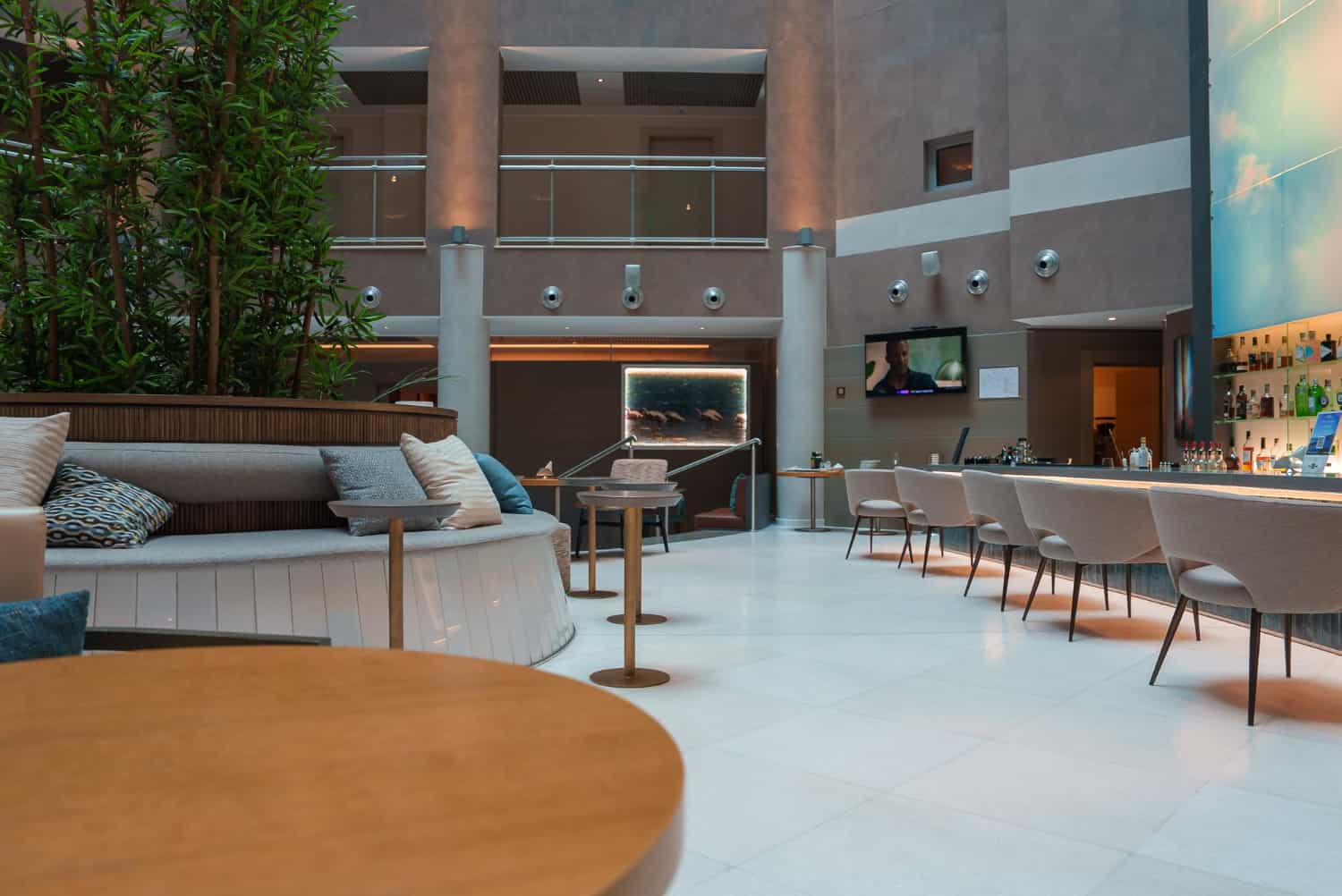
Most hotel projects focus heavily on layout and furniture selection. However, layout decisions are only effective when zoning is correct. Without zoning, even well-designed layouts can fail in real operation.
Zoning determines how people use space. It defines where guests pause, where they move, where staff operate, and where interactions happen. When zoning is weak, hotels experience congestion, confusion, and inefficiency. These problems are often blamed on layout or furniture, but the real issue is usually incorrect zoning logic.
Zoning works at a higher level than space planning. While hotel furniture space planning focuses on dimensions and placement, zoning focuses on behavior and movement. This distinction is critical because operational issues do not come from dimensions alone—they come from how spaces are used.
Every hotel operates with two parallel systems: guest flow and staff flow. These flows should never compete with each other. When they intersect incorrectly, the hotel feels disorganized.
Guest flow should feel intuitive. Guests should move from entrance to reception, from reception to elevators, from elevators to rooms, and from rooms to public areas without hesitation. This movement should feel natural, without obstacles or confusion.
Staff flow, on the other hand, must remain efficient but invisible. Housekeeping, service staff, maintenance teams, and operations staff need access to all areas without interrupting guest experience.
The success of a hotel furniture zoning strategy depends on how well these two flows are separated while still remaining functional. Poor separation creates daily friction that no design upgrade can fix later.
A well-zoned hotel clearly separates front-of-house and back-of-house areas. Front-of-house includes all guest-facing spaces, while back-of-house includes operational areas such as storage, service routes, and staff-only access points.
This separation should not be treated as a design detail. It is a core operational decision. When service access points are visible or poorly positioned, the hotel loses its sense of order. When staff routes cut through guest areas, the experience becomes inconsistent.
Furniture zoning plays a key role here. Even without physical walls, zoning can guide behavior. Subtle visual separation through furniture grouping, lighting, and spatial hierarchy can define where guests belong and where staff operate.
One of the most overlooked aspects of hotel furniture zoning strategy is the transition zone. These are the areas between main spaces—such as the space between lobby and restaurant, corridor and elevator, or entrance and reception.
Many hotels treat these areas as leftover space. However, in reality, transition zones control how smoothly the hotel operates. If transitions are abrupt, guests feel disconnected. If transitions are unclear, movement becomes inefficient.
A strong zoning strategy defines transitions as part of the experience. These zones should guide movement, prepare the guest for the next area, and maintain flow continuity.
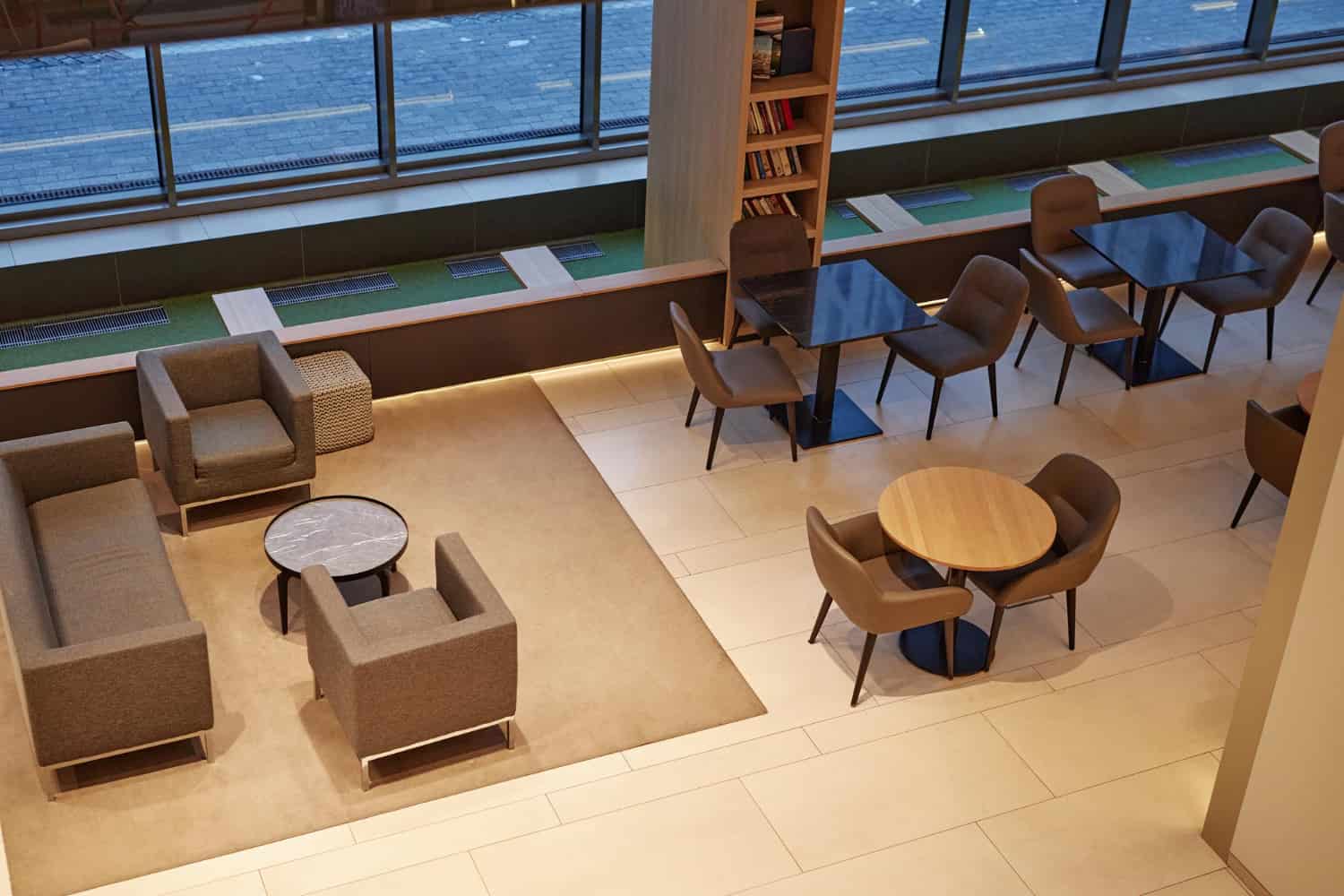
Not all hotel spaces require the same zoning logic. Each function has its own operational requirements.
Guest rooms require private zoning where activities are separated without physical division. Public areas require layered zoning where different activities coexist without conflict. Restaurants require zoning that balances guest comfort with service efficiency.
Instead of applying a single zoning approach, each area should be analyzed based on its primary function. This prevents design repetition and ensures that each part of the hotel performs correctly.
For example, guest-related movement patterns should align with hotel room layout ghana strategies, while public interaction areas should connect with hotel lobby furniture layout principles.
Hotel furniture zoning strategy is not only about opening day. It directly affects how the hotel performs over time. Poor zoning leads to repeated daily inefficiencies, which accumulate into long-term operational cost.
Staff movement becomes slower. Cleaning takes longer. Furniture gets damaged faster due to incorrect positioning in high-traffic zones. Guest satisfaction decreases due to discomfort and confusion.
These issues are rarely visible during design presentations, but they become obvious during operation. This is why zoning should be evaluated based on real use scenarios, not only visual concepts.
Zoning mistakes are among the most expensive issues in hotel projects because they affect multiple areas at once. Unlike a single furniture error, zoning mistakes impact movement, usability, and overall experience.
Many zoning problems originate from design decisions made without operational thinking. Spaces are often designed visually, without considering how guests and staff will actually use them.
These issues often connect with broader design problems explained in hotel furniture design mistakes, where operational logic is missing from early planning stages.
Operational zoning is widely recognized in hospitality planning as a key factor in hotel performance. Organizations like the American Hotel & Lodging Association emphasize that hotel success depends not only on design, but on how effectively spaces support daily operations.
The difference between average and high-performing hotels is rarely budget. It is planning depth. Projects that define zoning early create spaces that feel natural and efficient.
Instead of asking “where should this furniture go?”, successful teams ask “what should happen in this space?”. This shift in thinking transforms zoning into a strategic tool rather than a design step.
,
Zoning is not a standalone concept. It supports and strengthens all other planning decisions. When zoning is clear, layout becomes easier, furniture selection becomes more accurate, and production decisions become more precise.
This is why zoning should be defined before detailed planning. Once zoning is correct, other decisions follow naturally. Without zoning, planning becomes reactive and inconsistent.
Hotel furniture zoning strategy is ultimately about making spaces work. A hotel is not a static environment. It is a living system where people move, interact, and perform tasks continuously.
For Ghana hotel projects, zoning becomes even more critical because furniture decisions are often finalized before installation. Once furniture is produced and shipped, changes are expensive and time-consuming.
Hotels that invest in zoning early create interiors that feel intuitive, efficient, and durable. Instead of correcting problems after opening, they prevent them before production begins.
In the end, zoning is what turns design into operation.
Hotel furniture zoning strategy is the process of dividing hotel spaces into functional areas such as guest zones, service zones, and circulation paths. It ensures that movement feels natural, operations run efficiently, and furniture supports real hotel use rather than only visual design decisions.
Hotel furniture zoning strategy is important because it directly affects how guests and staff move through the hotel. Without clear zoning, spaces can feel crowded or confusing, while well-defined zones improve comfort, reduce operational friction, and support smoother hotel performance.
Hotel furniture zoning strategy focuses on defining how spaces are used, while space planning focuses on placing furniture within those spaces. Zoning comes first, as it defines function, while space planning translates that function into actual furniture layout and dimensions.
Hotel furniture zoning strategy improves guest experience by making spaces easier to understand and use. Guests can move naturally between areas such as reception, rooms, and restaurants without confusion, which increases comfort and creates a more seamless hotel experience.
Yes, poor hotel furniture zoning strategy can negatively affect daily operations. When guest flow and staff movement overlap, service slows down, maintenance becomes harder, and guest satisfaction decreases. These issues are difficult and expensive to fix after the hotel is already operational.
WhatsApp us