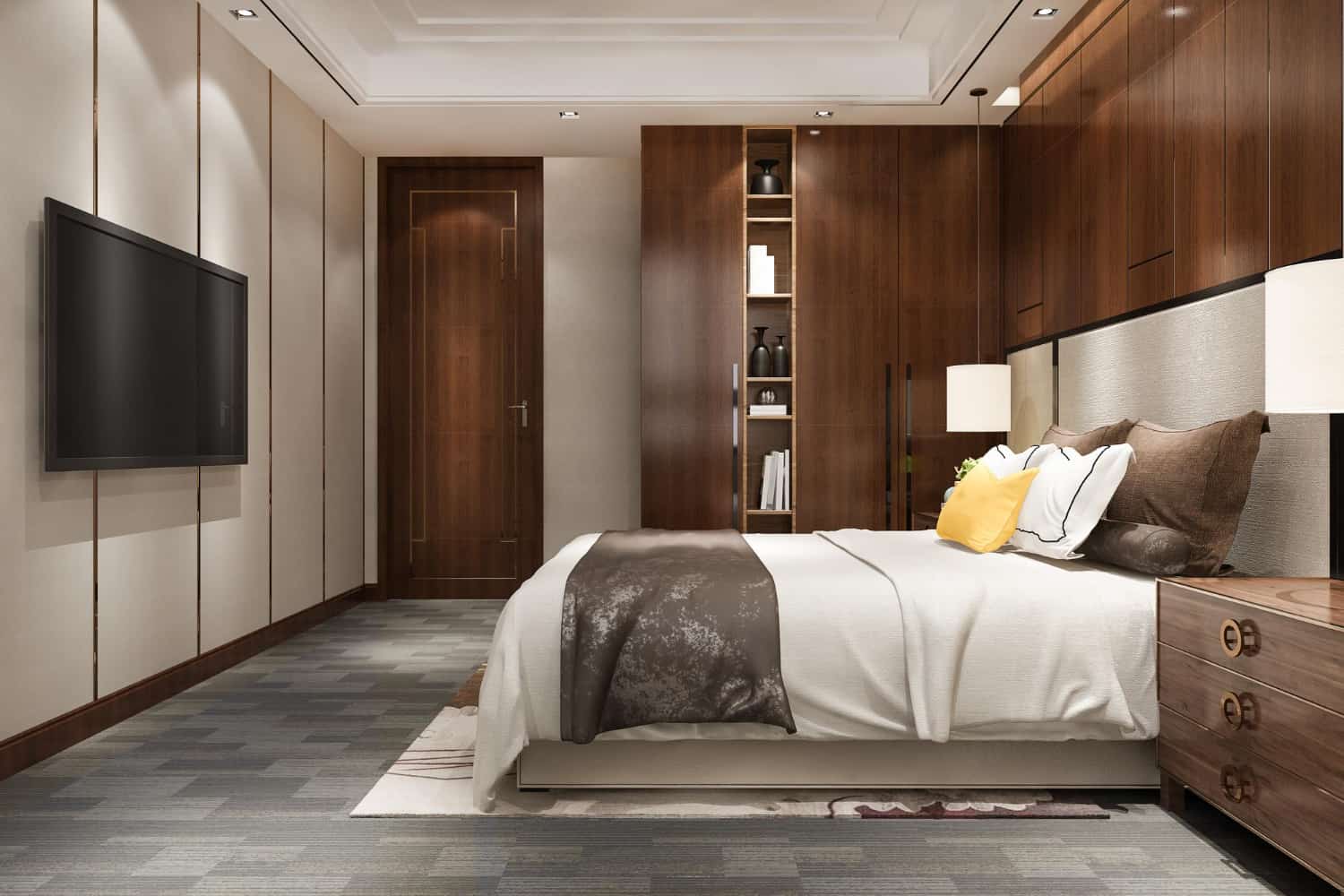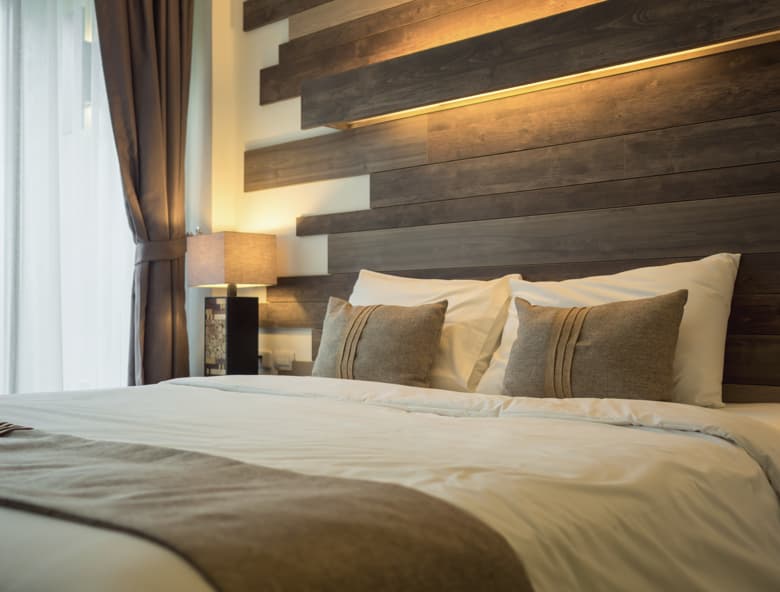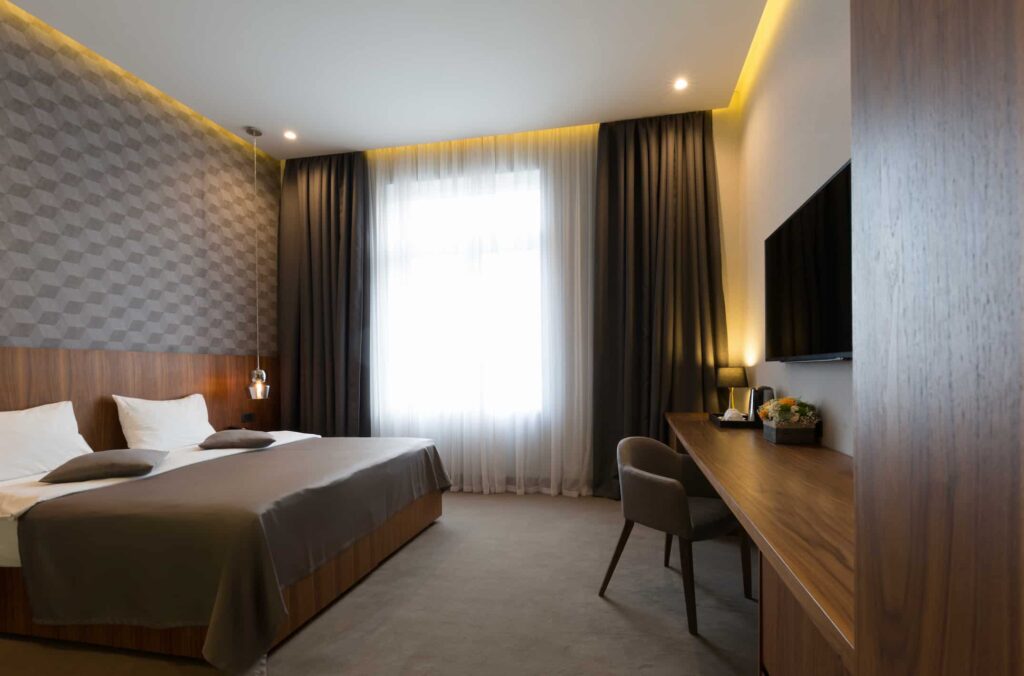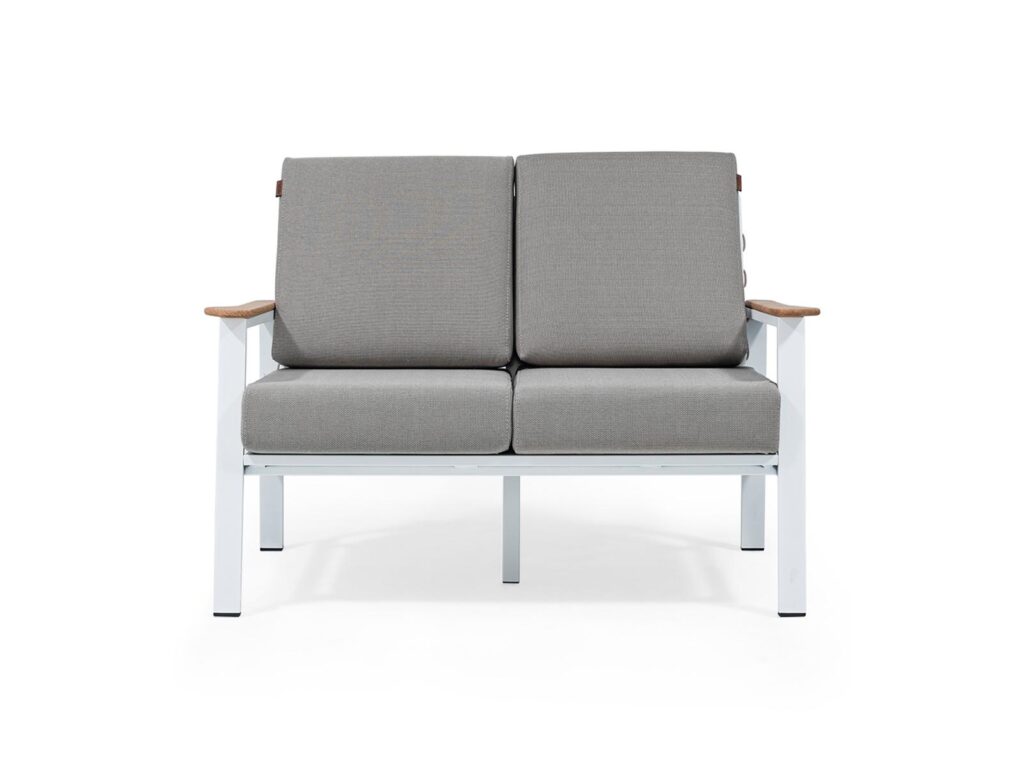
Understanding the restaurant furniture cost Ghana is critical when planning a restaurant, café, or hotel dining area. Furniture is not just a design element — it is a long-term investment that affects durability, maintenance costs, and customer experience.
If you are working on a full hospitality project, restaurant furniture Ghana hotel projects should be evaluated as part of your overall FF&E strategy.
From seating layouts to material selection, every decision directly impacts your total project budget.
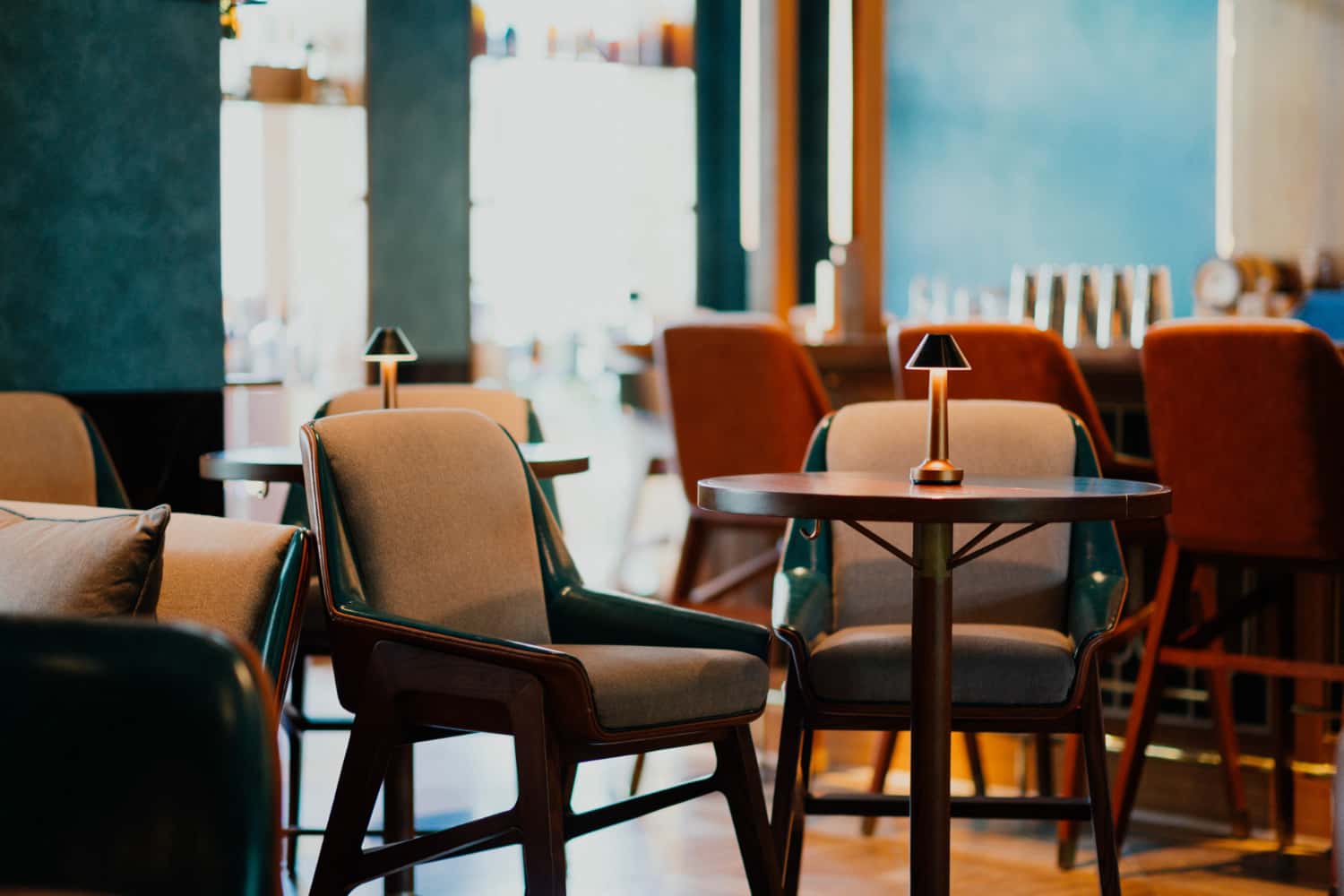
Several key factors determine the total cost of restaurant furniture in Ghana:
Lower-quality materials may seem cheaper initially but often lead to faster wear and higher replacement costs. Using a structured inspection process helps avoid these risks.
Custom furniture increases upfront cost but provides:
Standard furniture is cheaper but limits long-term value.
Bulk production significantly reduces cost per item.
Restaurant furniture in Ghana can be sourced from:
Choosing the right supplier is essential for balancing cost and quality.
Below is a realistic price breakdown:
For a mid-size restaurant (80–100 seats):
👉 Estimated total cost: $12,000 – $30,000+
Many restaurant owners focus only on initial cost, which leads to:
In contrast, contract-grade furniture is designed for heavy commercial use and significantly reduces long-term costs.
International quality standards such as ISO 9001 help ensure consistent manufacturing quality.
Turkey offers a strong balance between cost and quality for restaurant and hotel projects:
Typical timeline:
Understanding the full export process is critical before placing an order.
Use premium materials only where visible
Reduce variations to lower production cost
Late design changes increase costs
Avoid retail suppliers for large hospitality projects
Reducing the restaurant furniture cost Ghana does not mean compromising on quality. The key is to apply smart cost optimization strategies during the planning stage. One of the most effective methods is material optimization — using solid wood only for visible surfaces while combining it with MDF or veneer in non-visible areas.
Another important strategy is standardization. Instead of designing multiple furniture variations, using repeatable designs can significantly reduce production costs. Bulk production also lowers unit pricing, especially for large restaurant or hotel dining projects. Working with experienced suppliers who understand project-based manufacturing ensures that you avoid costly design mistakes from the beginning.
When evaluating the restaurant furniture cost Ghana, many buyers focus only on price, which can lead to poor long-term decisions. Low-cost furniture often uses weaker materials, lower-grade hardware, and inconsistent finishes, resulting in faster wear and replacement.
In contrast, contract-grade furniture is designed for heavy commercial use and provides long-term value. Investing slightly more at the beginning can significantly reduce maintenance and replacement costs over time. Using a structured quality control process is essential to ensure that the furniture meets durability standards.
For large-scale hospitality projects, restaurant furniture should never be evaluated separately from the overall concept. A more strategic approach is to consider how furniture integrates into the full project scope.
Once FF&E arrives, installation must be fast and organized.
Poor installation can damage even high-quality furniture.
The restaurant furniture cost Ghana depends on material quality, design choices, and supplier strategy. While low-cost options may seem attractive, investing in durable, project-grade furniture ensures better performance and long-term savings.
For hotel and large-scale hospitality projects, restaurant furniture should always be planned as part of a broader strategy.
The average restaurant furniture cost Ghana typically ranges between $12,000 and $30,000 for a mid-sized restaurant, depending on materials, design complexity, and supplier choice.
The main factors affecting restaurant furniture cost Ghana are material quality, customization level, quantity, and whether the furniture is sourced locally or imported.
Local furniture may have a lower upfront cost, but it often lacks durability and consistency. In many cases, imported contract-grade furniture provides better long-term value.
The full process usually takes 7 to 12 weeks, including 4–8 weeks for production and 3–4 weeks for shipping.
Custom furniture is recommended for most projects because it improves space efficiency, brand identity, and long-term durability, especially for hotel and large-scale restaurant projects.
WhatsApp us