Planning hotel FF&E ghana is one of the most critical phases in any hospitality development, yet it is often misunderstood or underestimated by first-time investors. FF&E is not simply about buying furniture—it is a structured system that defines how a hotel is furnished, equipped, and prepared for operation. In professional projects, FF&E planning must always be aligned with a broader hotel contract furniture ghana strategy to ensure consistency between design intent, material selection, procurement, and installation.
In Ghana’s growing hotel market, where many projects rely on imported contract furniture, FF&E becomes even more important. Decisions made during this phase directly impact cost control, timeline management, and long-term operational performance. Without a clear FF&E strategy, even well-designed hotel concepts can struggle during execution.
This guide explains what FF&E means in real project terms, what it includes, how procurement works, and how developers can manage timelines and costs effectively in Ghana hotel projects.
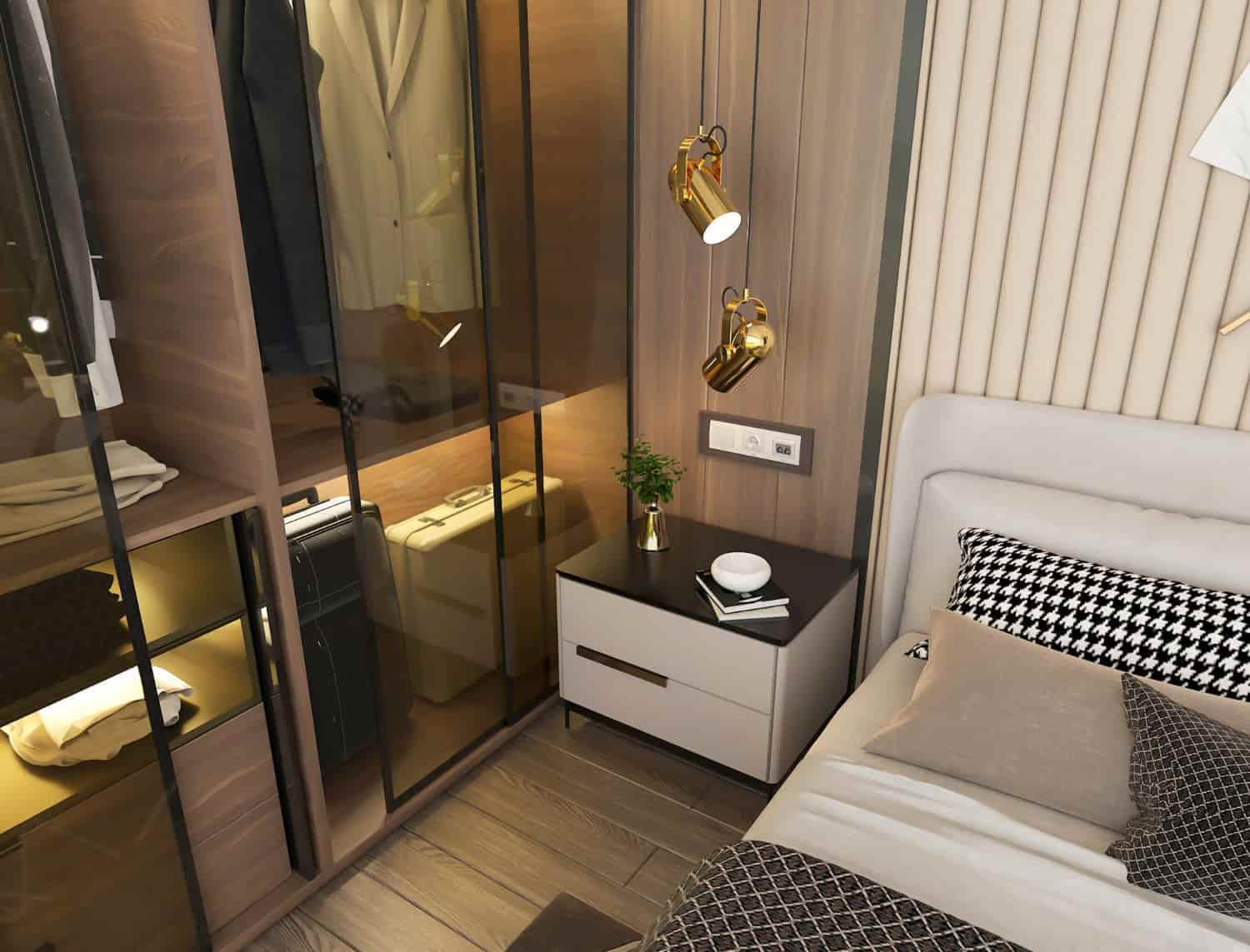
The term FF&E stands for Furniture, Fixtures, and Equipment, but in practice it represents a complete system rather than a simple category of items.
In hotel projects, FF&E includes all movable elements that are required for the property to operate. This covers guest room furniture, lobby elements, restaurant seating, lighting fixtures, decorative items, and operational equipment.
What makes FF&E different from standard purchasing is its project-based nature. Each item must fit within a coordinated design, match technical specifications, and be delivered at the right time. Unlike residential furniture, these elements are not selected individually—they are planned as part of a complete system.
This is why FF&E decisions must always be connected to layout planning, zoning, and operational flow. When handled correctly, FF&E becomes the bridge between design and real-world functionality.
FF&E scope varies depending on the type and scale of the hotel, but it generally covers all areas of the property.
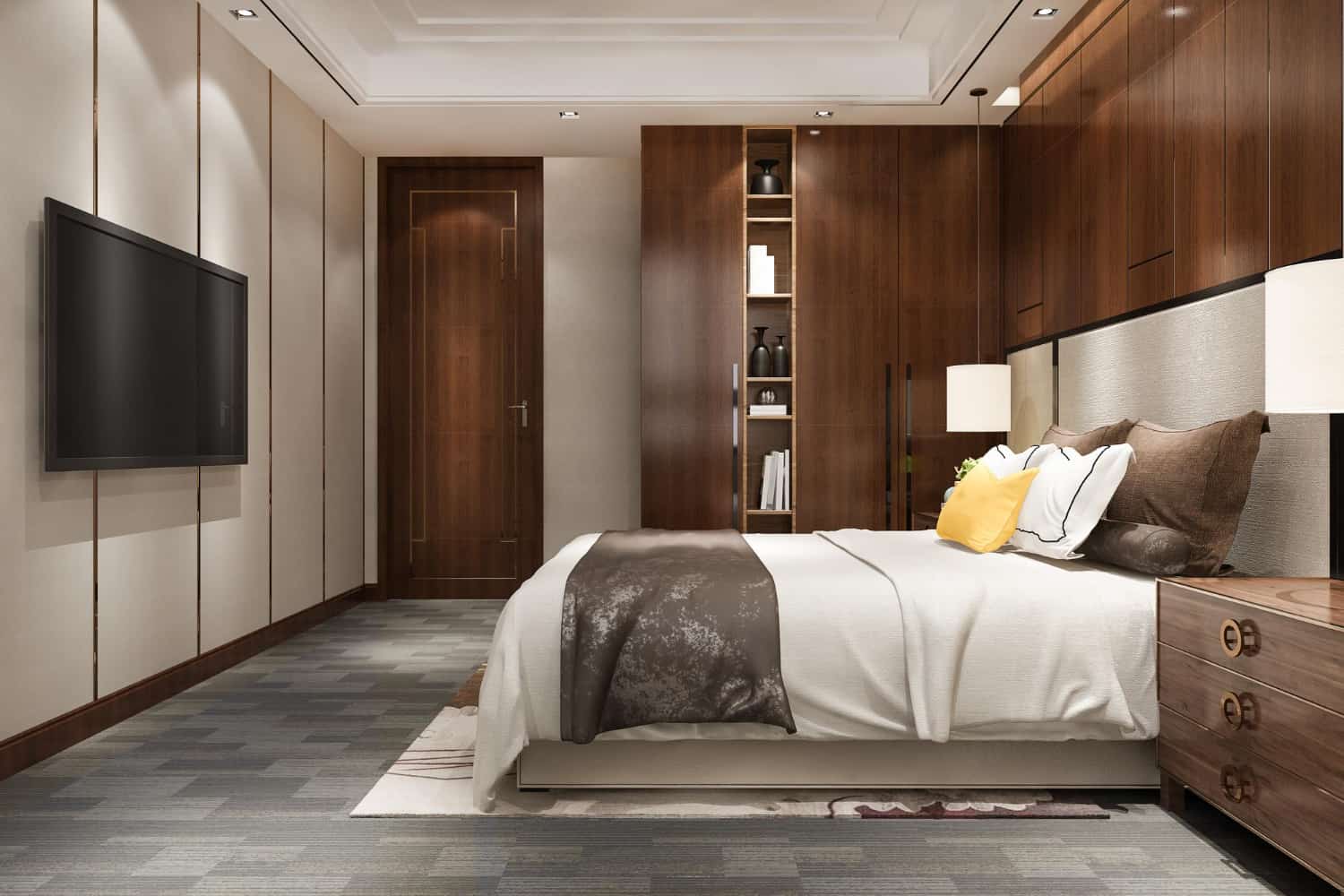
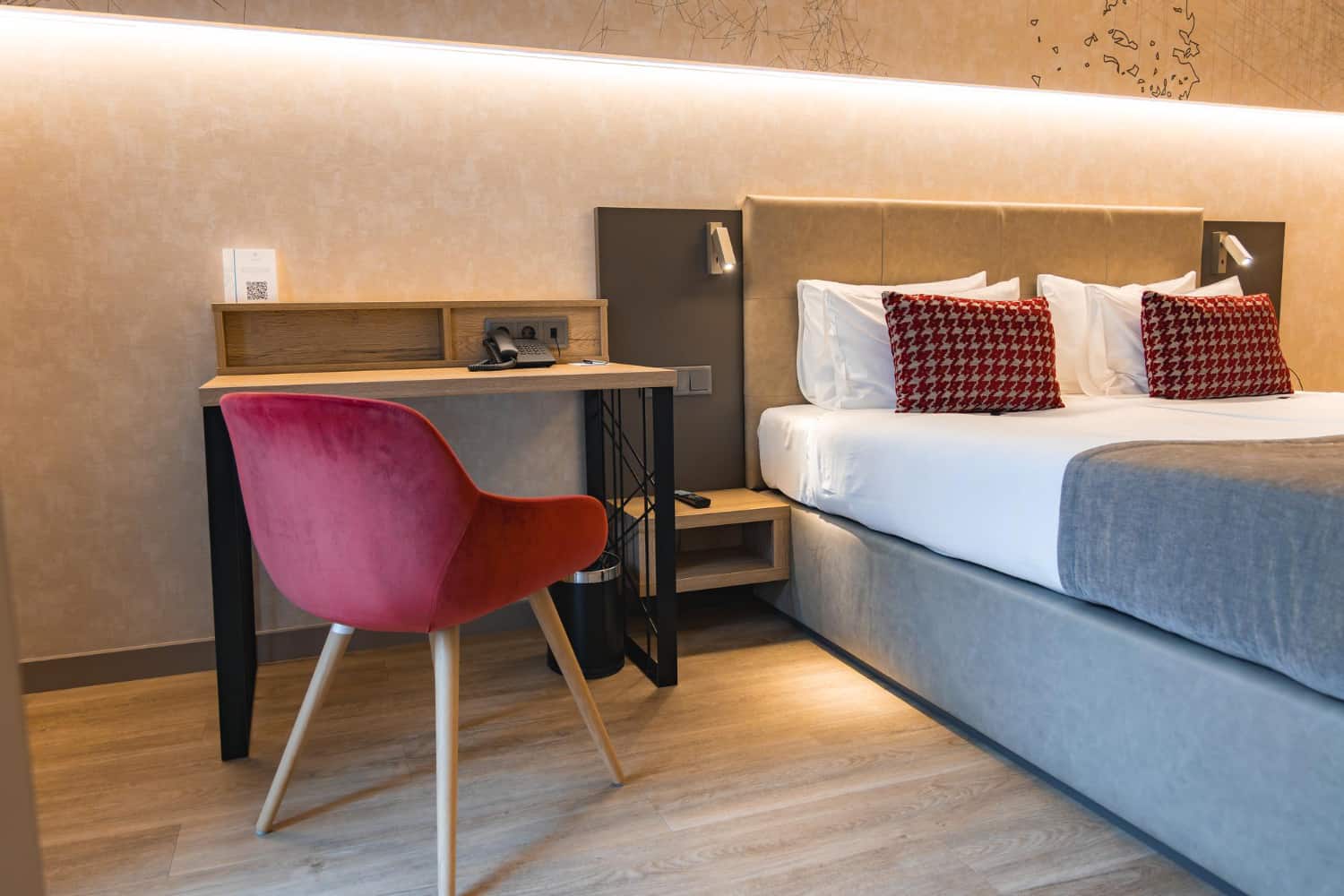
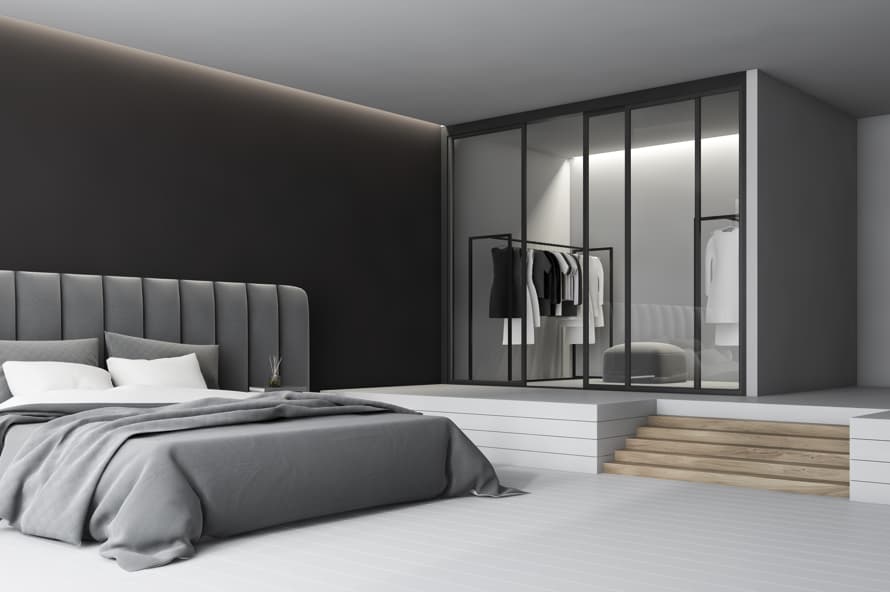
Guest rooms represent the largest portion of FF&E. Beds, headboards, wardrobes, desks, seating, and lighting must all be coordinated both visually and functionally. These items are used daily, which means durability and material quality are critical.
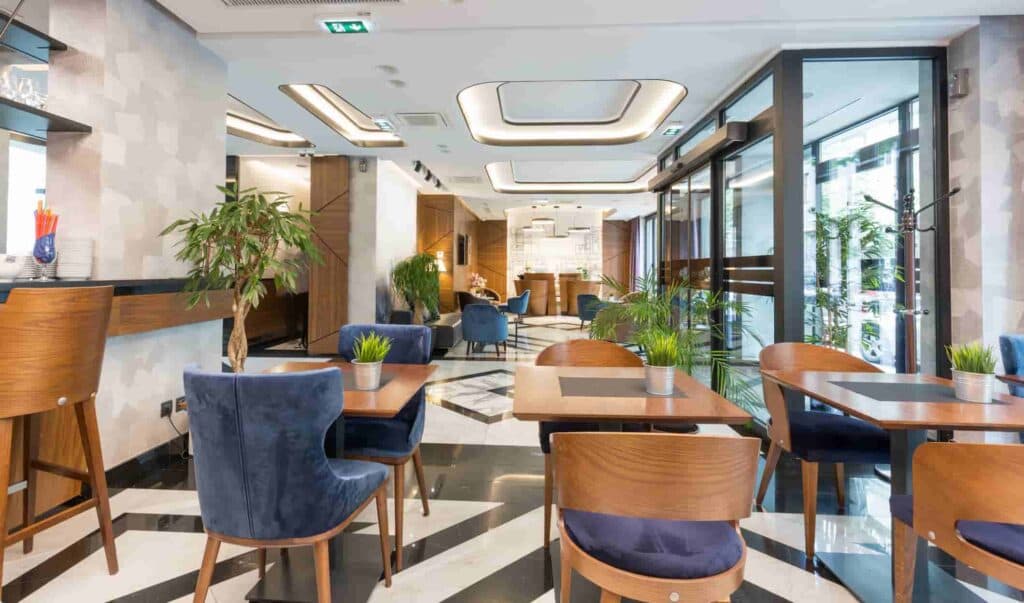
Public areas such as lobbies and lounges require a different approach. Here, FF&E must support both aesthetics and heavy usage. Sofas, coffee tables, reception desks, and decorative elements must be selected with both design impact and operational resilience in mind.
Food and beverage areas introduce additional complexity. Restaurant tables, chairs, and service equipment must handle high turnover and frequent cleaning while maintaining visual consistency with the hotel concept.
Outdoor areas, if included, require materials that can withstand environmental exposure. In Ghana, humidity and sunlight make this particularly important.
Understanding this full scope is essential before moving into procurement, because each category has different cost structures, timelines, and performance requirements.
FF&E procurement is not a single purchase—it is a multi-stage process that requires coordination between designers, suppliers, and project managers, following structured procurement frameworks such as FF&E procurement process and project coordination principles.
The process typically begins with specification development. This stage defines what will be produced, including dimensions, materials, finishes, and quantities. These decisions must be precise, because changes later in the process can cause delays and increase costs.
Once specifications are finalized, supplier selection becomes the next critical step. Choosing the right hotel contract furniture supplier ghana is essential for ensuring that production meets both design and performance requirements. A supplier with strong export experience can also help streamline logistics and reduce risk.
After supplier selection, production begins. During this phase, quality control becomes important. Materials must match specifications, finishes must meet expectations, and production must remain consistent across large quantities.
Finally, logistics and delivery must be coordinated. FF&E items must arrive on site at the right time to support installation without causing delays or storage issues.
Each of these stages is connected. Weakness in one stage often creates problems in the next.
One of the most challenging aspects of FF&E is timeline management. Unlike construction, which often follows a visible schedule, FF&E involves multiple parallel processes that must be aligned carefully.
Production timelines typically range between four and eight weeks, depending on customization level and project size. Shipping adds additional time, especially for projects in Ghana that rely on international logistics.
However, the real challenge is coordination. FF&E must arrive after the site is ready but before installation deadlines. If items arrive too early, storage becomes necessary. If they arrive too late, opening schedules may be affected.
This is why FF&E planning must always consider broader project timelines. It is not enough to know how long production takes—developers must understand how production, shipping, and installation fit together.
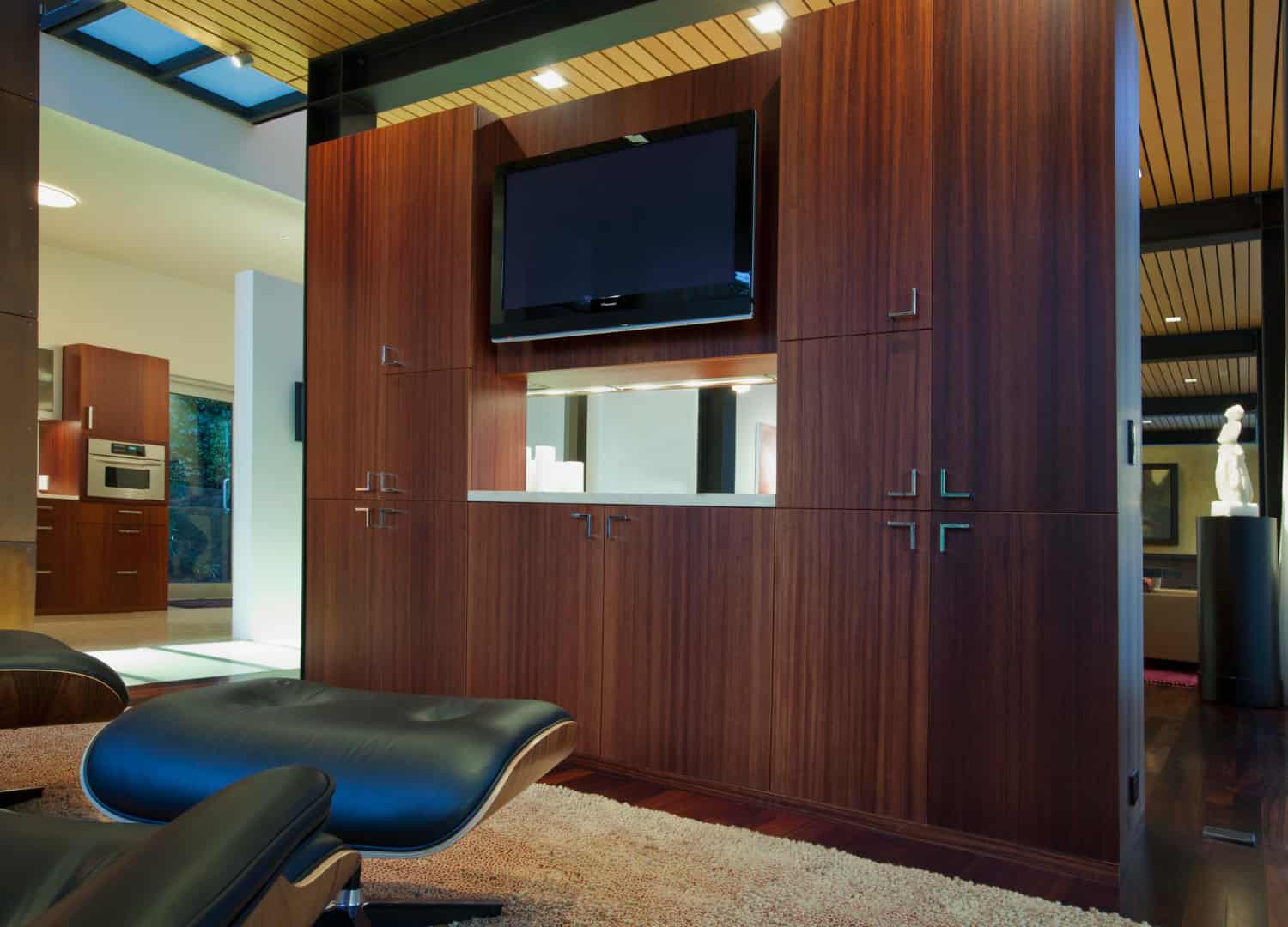
FF&E represents a significant portion of hotel project budgets, making cost control essential.
Costs are influenced by multiple factors, including material selection, design complexity, and supplier location. Higher-quality materials may increase initial cost but reduce long-term maintenance expenses. Lower-cost options may appear attractive initially but can lead to faster wear and higher replacement costs.
Understanding hotel contract furniture cost ghana helps developers create realistic budgets. Cost planning should include not only manufacturing, but also logistics, duties, and installation.
Budget control also requires discipline during the design phase. Frequent changes to specifications can increase costs and disrupt timelines. This is why early decision-making is critical.
Material selection is one of the most important aspects of FF&E planning.
In Ghana, environmental conditions such as humidity and temperature fluctuations must be considered. Materials that perform well in controlled environments may not be suitable for local conditions.
This is why understanding hotel contract furniture materials ghana is essential. HPL surfaces, treated wood, and metal structures are often preferred because they offer better resistance to wear and environmental factors.
Material selection also affects maintenance. Durable materials reduce long-term operational costs and improve guest satisfaction by maintaining visual quality over time.
Industry standards emphasize that FF&E planning should be integrated with overall project management to ensure efficiency and consistency. According to global hospitality design insights on FF&E planning and procurement systems, successful projects align design, procurement, and logistics from the earliest stages.
Even well-planned projects can face challenges during FF&E execution.
One common issue is misalignment between design intent and production output. If specifications are not clear, suppliers may interpret requirements differently.
Another challenge is coordination between stakeholders. Designers, contractors, and suppliers must work together closely to ensure that all elements fit within the overall project.
Logistics can also create difficulties. Delays in shipping or customs clearance can disrupt installation schedules and increase costs.
These challenges are not unusual, but they can be managed with proper planning and communication.
FF&E should not be treated as a separate phase—it must be integrated into the overall hotel development strategy.
This means aligning FF&E decisions with:
When FF&E is aligned with these factors, the hotel becomes more cohesive and efficient. When it is disconnected, inconsistencies appear in both design and operation.,
A successful hotel FF&E ghana approach is not defined by individual furniture pieces, but by how well the entire system works together.
Projects that succeed typically show strong coordination between design, procurement, and logistics. They make decisions early, verify details carefully, and maintain consistency throughout the process.
This level of structure allows developers to control costs, manage timelines, and deliver a finished hotel that meets both design expectations and operational needs.
It includes all movable furniture, fixtures, and equipment required for hotel operation.
Because it directly affects guest experience, operational efficiency, and project cost.
Typically 8–16 weeks including production and delivery.
Through early planning, material selection, and supplier coordination.
Lack of coordination between design, procurement, and logistics.
WhatsApp us