Understanding the hotel furniture manufacturing process is essential for developers, contractors, and hotel owners planning projects in Ghana. Hotel furniture is not produced like standard residential furniture; it requires technical drawings, material planning, batch production, quality control, packaging, and export coordination. For Ghana projects, this process must also align with a broader hotel furniture manufacturing turkey ghana strategy, where production quality, climate durability, and logistics planning work together from the beginning.
In Ghana’s hotel market, especially in cities such as Accra, Tema, Kumasi, and Takoradi, developers need furniture that can withstand daily commercial use, humidity, frequent cleaning, and long project timelines. A visually attractive furniture sample is not enough. What matters is whether the manufacturer can repeat the same quality across 30, 80, 150, or 300 rooms without inconsistency.
This guide explains the full hotel furniture manufacturing process from design brief to final export preparation, helping Ghana project teams understand what happens inside the factory before furniture reaches the hotel site.
The hotel furniture manufacturing process includes technical drawings, material selection, sample approval, batch production, quality control, packaging, and export preparation, all aligned to ensure consistency, durability, and timely delivery for Ghana hotel projects.

The manufacturing process directly affects durability, project timing, and total cost. Many hotel developers focus on the final product image, but the real value of hotel furniture comes from how it is engineered and produced.
A professional process ensures that every item follows the same design language, material specification, structural standard, and finish quality. This consistency becomes critical in hotel projects because furniture is repeated across many rooms and public areas.
If the manufacturing process is weak, the problems usually appear later. Doors may not align properly, finishes may vary between rooms, edges may open due to humidity, or chairs may become unstable after short use. These issues create maintenance costs and damage the guest experience.
For Ghana projects, manufacturing quality is even more important because replacement is not simple. Imported furniture must be planned correctly before shipment. Once the furniture arrives, fixing production mistakes becomes expensive and time-consuming.
In simple terms, the hotel furniture manufacturing process determines whether a project delivers consistent quality at scale or faces repeated defects and delays.
Every successful hotel furniture manufacturing process begins with a clear project brief. This brief includes room types, design concept, target hotel category, required furniture items, material preferences, and budget expectations.
The manufacturer then converts the brief into technical drawings. These drawings define dimensions, joinery details, hardware positions, material thicknesses, and finish specifications. This stage is critical because production cannot depend only on reference images or mood boards.
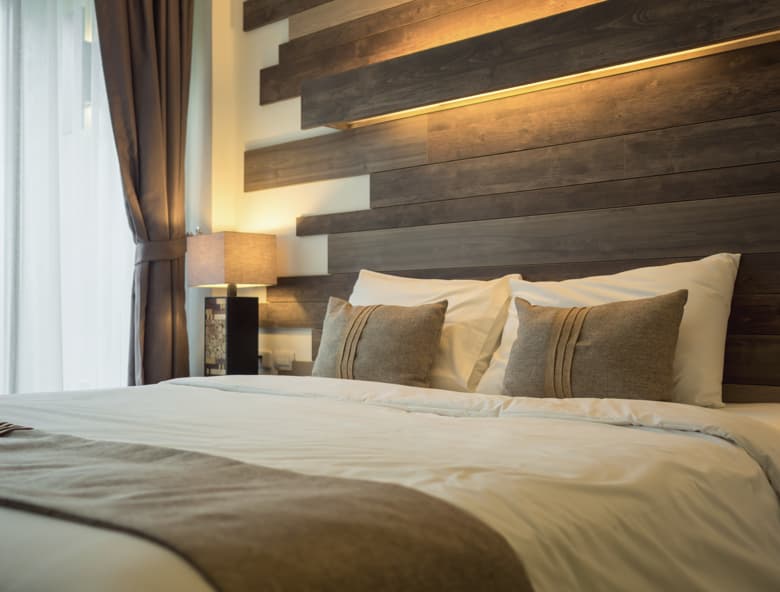
For example, a hotel room headboard must match the wall width, bed size, socket positions, lighting plan, and installation method. A wardrobe must consider door swing, internal storage needs, ventilation, and cleaning access. A desk must fit the room layout without blocking circulation.
This is also where custom hotel furniture manufacturing becomes important. Ghana hotel projects often have different room sizes and site conditions, so standard furniture may not fit properly. Custom manufacturing allows each item to be adapted to the project layout while still maintaining production consistency.
Material selection is one of the most important decisions before manufacturing begins. The wrong material can shorten furniture lifespan, increase maintenance, and create operational problems.
For Ghana, material selection must consider humidity, temperature variation, cleaning frequency, and heavy daily use. This is why hotel furniture materials manufacturing is not just about choosing what looks good. It is about selecting materials that can perform under real hotel conditions.
Common material decisions include:
| Component | Materials Used | Key Consideration |
|---|---|---|
| Casegoods | MDF, plywood, treated board | Moisture resistance is critical |
| Surfaces | HPL, laminate, veneer | HPL is stronger for high-use areas |
| Frames | Metal, solid wood, engineered wood | Metal improves strength in public areas |
| Edges | PVC edge banding, veneer edge | Adhesion quality affects durability |
| Upholstery | Fabric, vinyl, leatherette | Cleaning and stain resistance matter |
Knowing which material to select is only part of the decision. Understanding how each material is actually processed inside the factory — how MDF is cut and edge-banded, how plywood grades affect structural performance, and how solid wood jointing methods determine chair frame lifespan — is equally important for writing a specification that delivers the expected result. See hotel furniture wood materials for the full manufacturing perspective.
A good manufacturer does not simply accept any requested material. Instead, they advise the project team about which materials are suitable for guest rooms, lobbies, restaurants, and outdoor areas.
Before mass production begins, professional manufacturers often produce a sample or prototype. This allows the project team to evaluate dimensions, finish color, comfort, and material quality.
Sample approval is especially important for hotel projects because one approved sample may later be repeated across hundreds of items. If the sample is wrong, the entire production batch may be wrong.
During sample review, the project team should check more than appearance. They should review:
This stage also supports hotel furniture quality control, because the approved sample becomes the reference point for production inspection. Without a clear approved sample, quality control becomes subjective.
For Ghana projects, samples help prevent misunderstanding between designer, developer, and manufacturer. They also reduce the risk of receiving furniture that looks different from the expected concept.
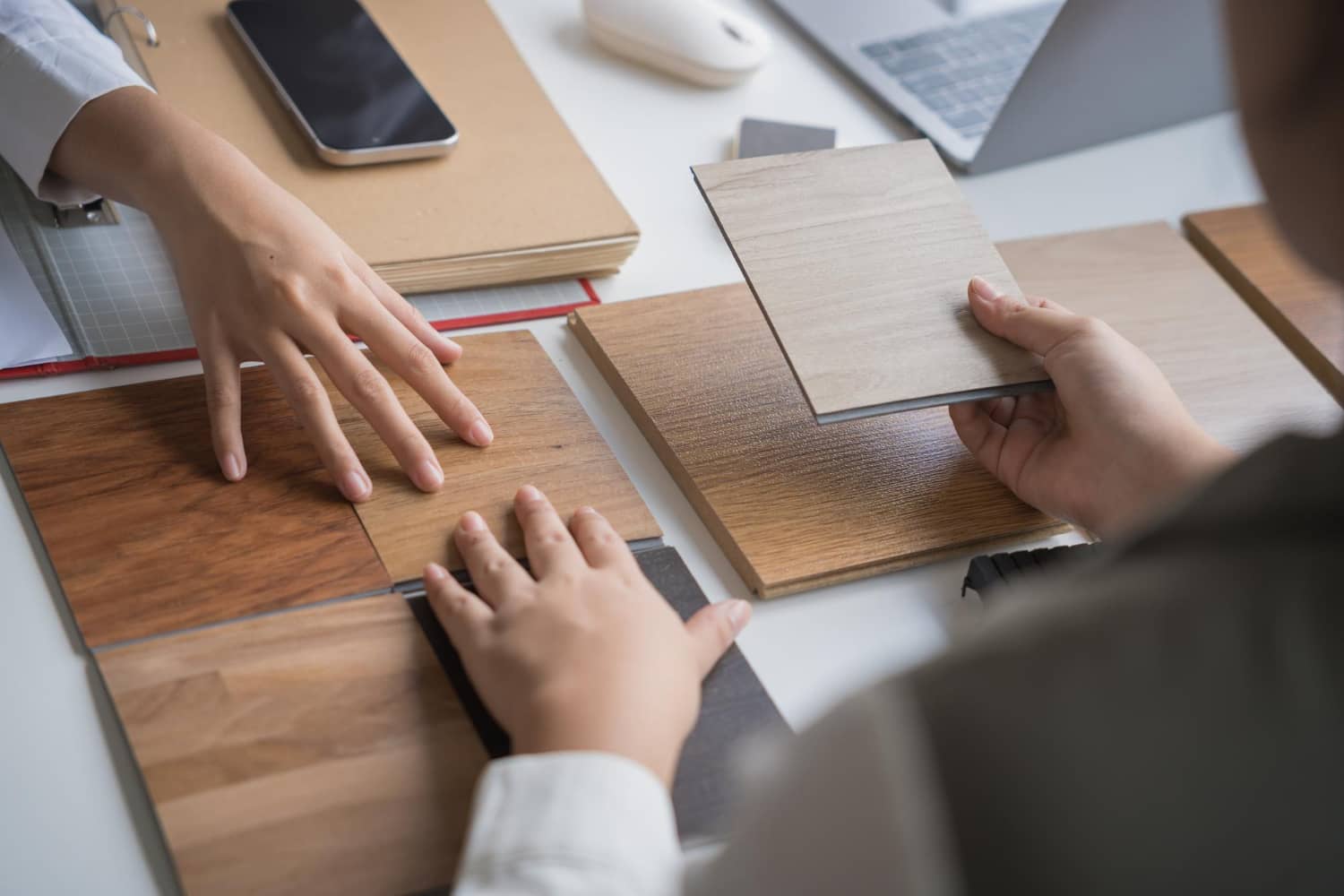
Once samples and drawings are approved, the factory moves into batch production. This is where industrial discipline becomes important.
A professional factory organizes production by item category, material type, and project phase. Cutting, edge banding, assembly, sanding, finishing, upholstery, and packing must follow a controlled sequence. If production is not organized properly, delays and inconsistencies occur.
The main advantage of working with an experienced hotel furniture manufacturer turkey is the ability to manage repeat production at scale. Hotel projects require the same item to be produced many times with consistent dimensions, finish, and quality. This is different from small workshop production, where each item may vary slightly.
In a Ghana project, production consistency matters because rooms must look identical. A guest should not see different wardrobe colors, uneven desk finishes, or inconsistent headboard proportions from one room to another.
In hotel furniture projects, inconsistencies usually occur not because of poor design, but due to weak batch production control, where small deviations repeat across hundreds of units.
Quality control should not happen only at the end. It must be part of the full manufacturing process.
Professional hotel furniture quality control includes checking raw materials, monitoring production stages, verifying dimensions, inspecting finishes, testing moving parts, and reviewing packaging before shipment.
Structured quality control in manufacturing is typically based on internationally recognized systems such as ISO 9001 quality management standards, which define how consistency, traceability, and process control are maintained across production.If problems are caught early, they are easier and cheaper to fix. For example, if edge banding adhesion is weak, this should be detected before all panels are assembled. If veneer color varies too much, the issue should be handled before final installation.
A strong quality control system usually checks:
| QC Stage | What Is Checked | Why It Matters |
|---|---|---|
| Material inspection | Boards, veneers, laminates, metal parts | Prevents weak raw materials entering production |
| In-process inspection | Cutting, assembly, edge banding | Stops repeated production errors |
| Finish inspection | Color, gloss, surface defects | Ensures visual consistency |
| Functional testing | Hinges, drawers, seating stability | Prevents operational complaints |
| Packing inspection | Labels, protection, carton strength | Reduces shipping damage |
For export projects, quality control is especially important because correcting defects after arrival in Ghana can cause serious delays.
Quality control during manufacturing covers more than visual inspection — material verification, in-process dimensional checks, finish consistency, structural testing, and pre-shipment packaging review all form part of a complete system. For the full breakdown of how each stage works, see hotel furniture quality control.
The hotel furniture manufacturing process changes depending on the area being produced. Guest room furniture, lobby furniture, restaurant furniture, and outdoor furniture all require different technical priorities.
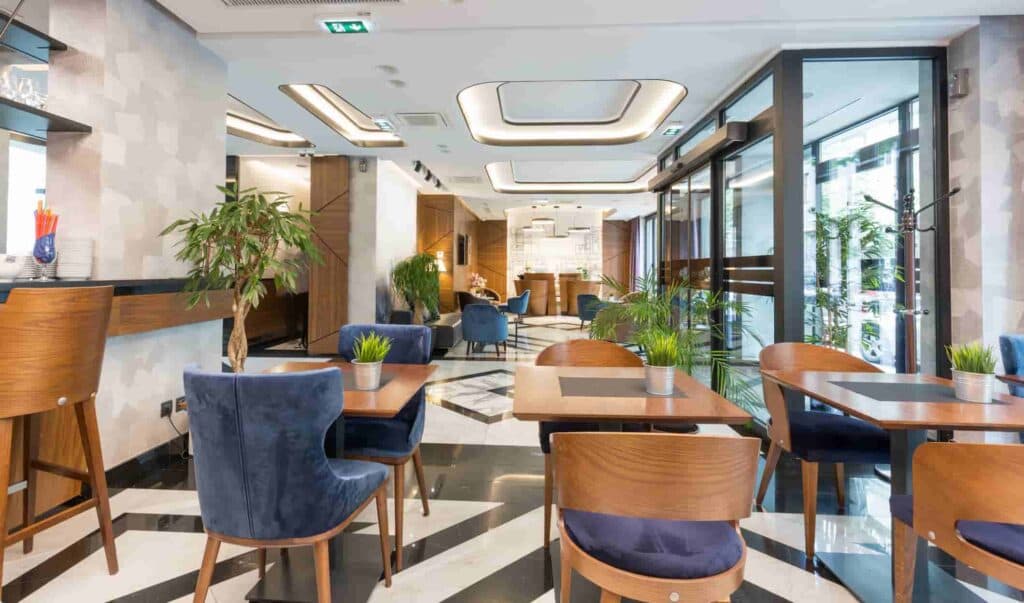
Guest room furniture must balance durability, comfort, and space efficiency. Lobby furniture must create a strong first impression while handling high traffic. Restaurant furniture must resist frequent cleaning, movement, and heavy use. Outdoor furniture must withstand sunlight, humidity, and weather exposure.
This is why custom hotel furniture manufacturing is highly valuable for Ghana projects. It allows each area to receive the correct furniture solution rather than forcing one standard product type across the entire hotel.
For example, a restaurant chair may need a stronger frame and more cleanable upholstery than a guest room lounge chair. A lobby coffee table may need a more impact-resistant surface than a decorative table in a suite. These differences must be planned during manufacturing, not after installation.
Timing is one of the most important issues in hotel furniture manufacturing. The hotel furniture production time affects the entire project schedule, especially when furniture is imported.
For most hotel projects, production may take 4–8 weeks depending on quantity, customization level, material availability, and approval speed. However, the real timeline includes more than production. Design approval, sample approval, packaging, container loading, shipping, customs clearance, and installation all affect the final delivery date.
A realistic manufacturing timeline may look like this:
| Stage | Estimated Duration |
|---|---|
| Design review and technical drawings | 1–2 weeks |
| Sample or mock-up approval | 1–3 weeks |
| Material procurement | 1–2 weeks |
| Mass production | 4–8 weeks |
| Quality control and packing | 1 week |
| Export preparation | 3–7 days |
The biggest delays usually come from late approvals, design changes, unclear specifications, and poor supplier coordination. Developers should finalize decisions early and avoid changing materials or dimensions after production begins.
In large hotel projects, manufacturing and logistics together can represent over 50% of the total project execution timeline, making early coordination essential.
A successful hotel furniture manufacturing process is not defined by individual steps, but by how effectively those steps are connected. Projects that align design, material selection, production, and export planning into a single coordinated system achieve more predictable timelines, consistent quality, and lower long-term costs.
In Ghana projects, where logistics chains are longer and environmental conditions are more demanding, this coordination becomes even more critical. Weak integration between stages often leads to repeated defects, delays during installation, and higher maintenance requirements after opening.
The choice between working directly with a factory or through a middleman plays a central role in this process. Direct factory collaboration provides better control over materials, production decisions, and quality standards. It also improves communication speed and reduces the risk of misalignment between design intent and final output.
In contrast, working through intermediaries may introduce additional layers of communication and reduce transparency in production. While this approach may seem convenient at the beginning, it often creates challenges in large-scale projects where consistency and accountability are essential.
The most successful hotel projects treat manufacturing as a controlled system rather than a sourcing decision. Developers who prioritize direct coordination, clear specifications, and structured production processes achieve better performance not only during delivery, but throughout the entire operational lifecycle of the hotel.
In large hotel developments, the manufacturing model you choose often determines whether the project runs smoothly or faces costly disruptions.
The hotel furniture manufacturing process includes design review, technical drawings, material selection, sample approval, mass production, quality control, packaging, and export preparation. For Ghana projects, this process must also consider humidity, durability, and logistics.
Hotel furniture production time usually ranges from 4 to 8 weeks depending on project size, customization, material availability, and approval speed. Export preparation and shipping add additional time.
Hotel furniture quality control prevents defects before shipment. It checks materials, dimensions, finishes, hardware, structural strength, and packaging to ensure the furniture performs well in commercial hotel environments.
Yes. Custom hotel furniture manufacturing allows furniture dimensions, materials, finishes, and functions to match the specific hotel layout, brand concept, and climate conditions in Ghana.
Moisture-resistant materials such as plywood, HPL, treated wood, powder-coated metal, and durable upholstery are commonly preferred. Material selection should be based on humidity, cleaning frequency, and heavy commercial use.
WhatsApp us