Planning a hotel project in the hotel furniture Ghana market requires a clear and structured approach to procurement, cost management, logistics, and supplier selection. If you are developing a hospitality investment, understanding the hotel furniture ghana market gives you a significant strategic advantage. It allows you to reduce risk, optimize your budget, and ensure consistent quality across all areas of your hotel.
Ghana has established itself as one of the most stable and fastest-growing hospitality markets in West Africa. Cities such as Accra, Tema, and Kumasi attract both international hotel brands and local investors. Business travel, conferences, and tourism continue to drive demand for new hotel developments, serviced apartments, and boutique hospitality projects.
This growing demand directly increases the need for contract furniture and full FF&E (Furniture, Fixtures, and Equipment) solutions. Developers, interior designers, and general contractors no longer search for simple furniture vendors. Instead, they look for reliable project partners who can handle large-scale production, maintain consistent quality, and manage logistics efficiently.
The expansion of Ghana’s tourism sector plays a key role in this growth. International investments, infrastructure development, and increasing visitor numbers create strong demand for new hotel projects. As a result, furniture procurement becomes one of the most critical decisions during the early planning phase.
The hotel furniture Ghana market continues to grow as more investors enter the hospitality sector. Developers who understand the dynamics of hotel furniture Ghana projects can reduce risk and improve project efficiency.
According to global tourism data, emerging markets like Ghana continue to attract hospitality investments due to economic stability and long-term growth potential. This makes furniture planning not just a purchasing decision but a strategic component of overall project success.
Ghana’s hospitality sector has grown steadily in Accra, Tema, Kumasi, and coastal tourism areas. New hotels, serviced apartments, and boutique properties drive demand for contract furniture and full FF&E packages. This growth is closely linked to the expansion of the Ghana tourism industry.
According to global tourism data, emerging markets like Ghana continue to attract hospitality investments.
Ghana’s hospitality growth is also supported by increasing international investment and tourism development reports.
Choosing the right supplier directly affects the success of your hotel project. The supplier determines not only the quality of the furniture but also the project timeline, budget control, and long-term durability of your investment. When evaluating a hotel furniture supplier in Ghana, developers typically compare two main sourcing strategies: local suppliers and international manufacturers.
Local suppliers offer certain advantages, especially for small-scale projects or renovations. Their proximity allows easier communication, faster site visits, and simpler coordination. However, these advantages often become limitations when the project scale increases.
Most local workshops struggle with large production volumes. They may produce good samples, but maintaining consistent quality across 50, 100, or 200 rooms becomes difficult. In addition, many local suppliers lack advanced machinery, standardized production systems, and professional quality control processes.
On the other hand, international manufacturers—particularly those based in Turkey—offer a more structured and scalable solution. Working with a hotel furniture manufacturer in Turkey gives developers access to industrial-level production capacity and export-ready systems.
Turkish manufacturers specialize in contract furniture and hospitality projects. They understand hotel standards, material durability requirements, and the importance of consistent production. Their ability to deliver customized furniture at scale makes them a preferred choice for hotel developers in Ghana.
From a strategic perspective, many developers use a hybrid sourcing model. They may rely on local suppliers for minor items while sourcing core furniture packages from international manufacturers. This approach balances cost efficiency, logistics convenience, and quality control.
Guest rooms represent the largest portion of any hotel furniture project, both in terms of quantity and budget. They also play the most important role in shaping the guest experience. A well-designed room directly influences guest comfort, satisfaction, and online reviews.
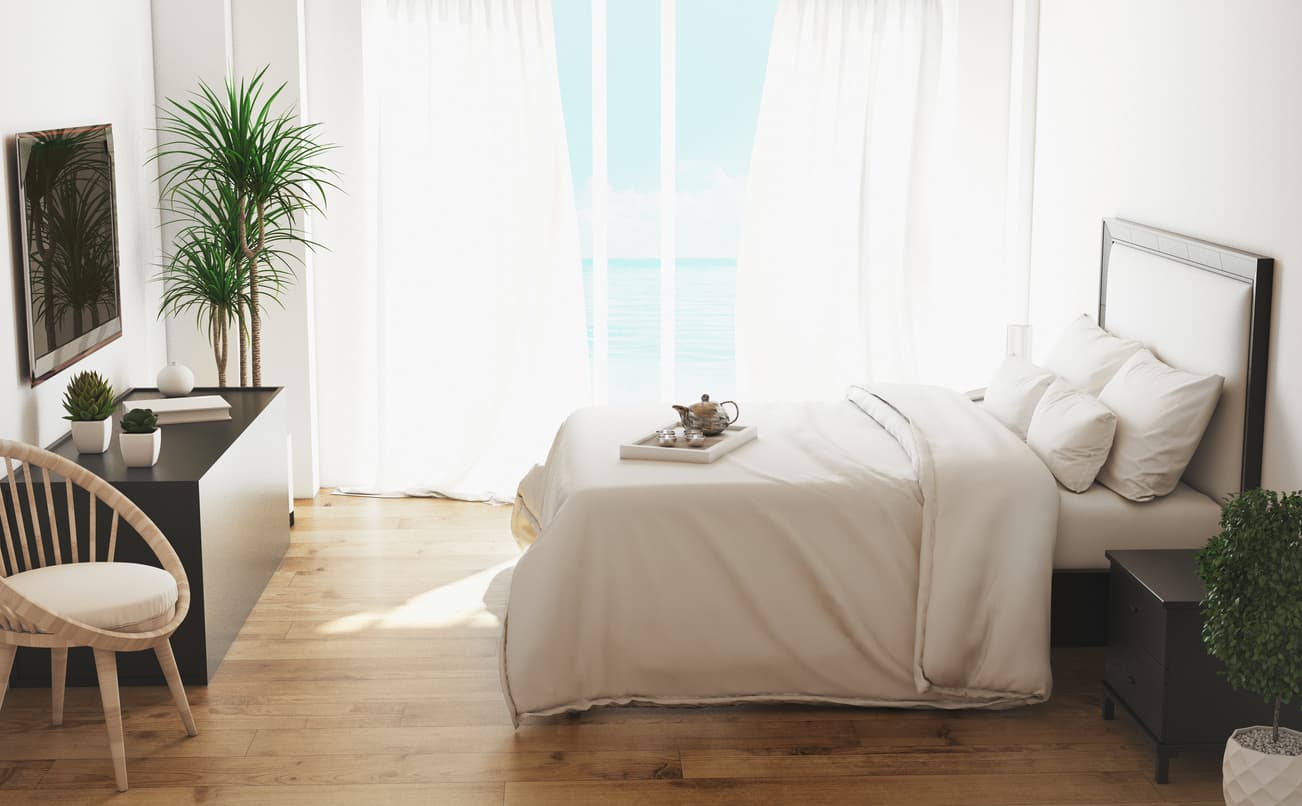
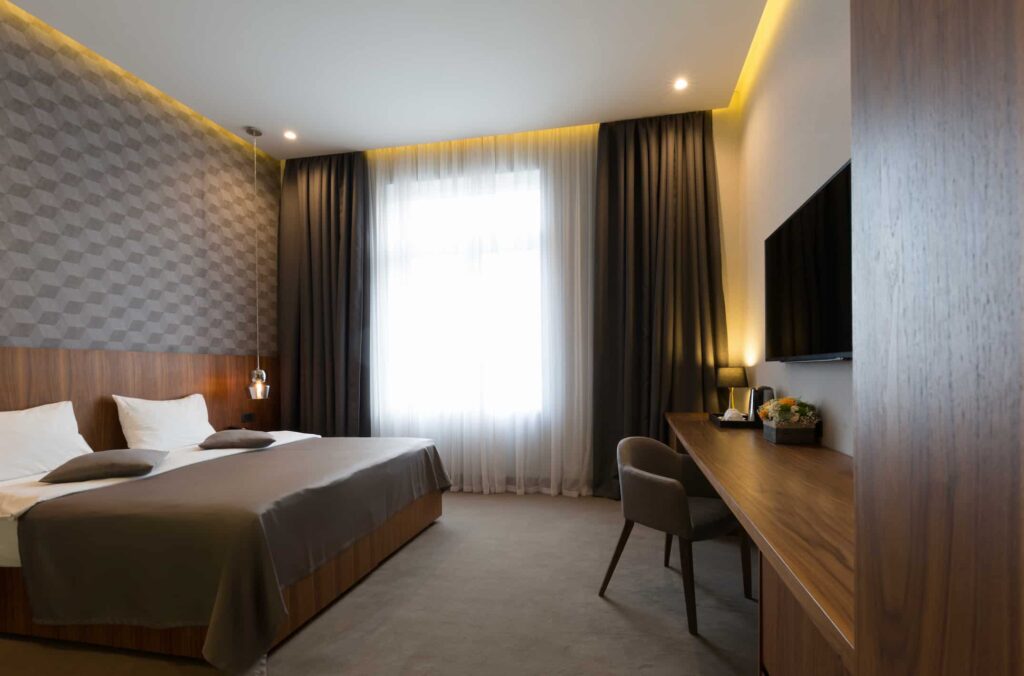
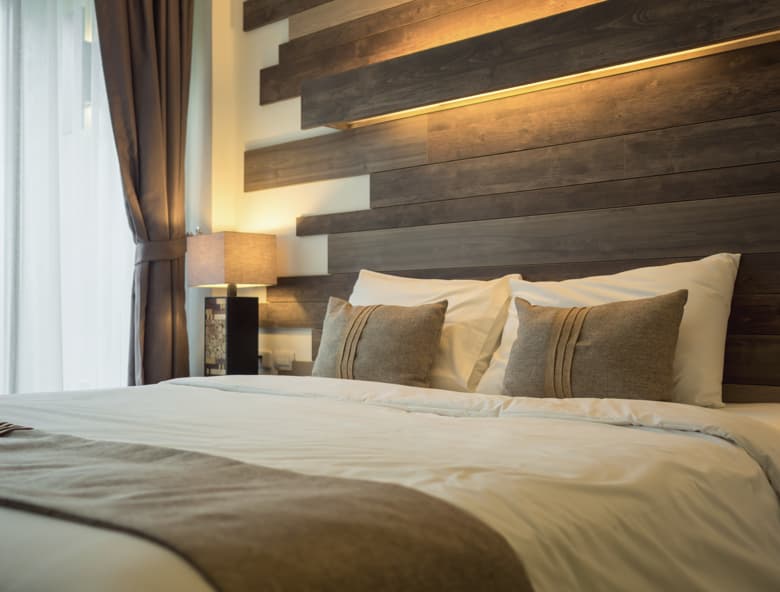
A standard hotel room furniture package includes essential items such as a bed base, headboard, bedside tables, wardrobe, desk, chair, luggage rack, and TV unit. These components form the foundation of hotel guest room furniture, and each element must meet strict functional and durability requirements.
Hotels operate continuously, which means furniture is exposed to constant use. Materials must resist wear, scratches, moisture, and frequent cleaning. Weak materials or poor construction can lead to rapid deterioration, increased maintenance costs, and negative guest feedback.
Design consistency is another key factor. Every room must follow the same design language, including materials, finishes, colors, and proportions. This consistency strengthens brand identity and creates a professional and cohesive environment.
Developers should also focus on ergonomics and space optimization. Furniture must fit efficiently within the room layout while providing maximum comfort and usability. Smart design solutions, such as multi-functional furniture, can improve both aesthetics and functionality.
Material selection is one of the most important decisions in hotel furniture production. The choice of materials directly affects durability, cost, maintenance requirements, and overall guest perception.
The most commonly used materials in hotel furniture include MDF, plywood, and solid wood. MDF (Medium Density Fiberboard) offers a smooth surface and cost efficiency, making it suitable for mid-range hotel projects. However, it has lower resistance to moisture compared to other materials.
Plywood provides higher strength and better durability. It performs better in humid environments and offers longer lifespan, making it a preferred option for hotels aiming for long-term performance.
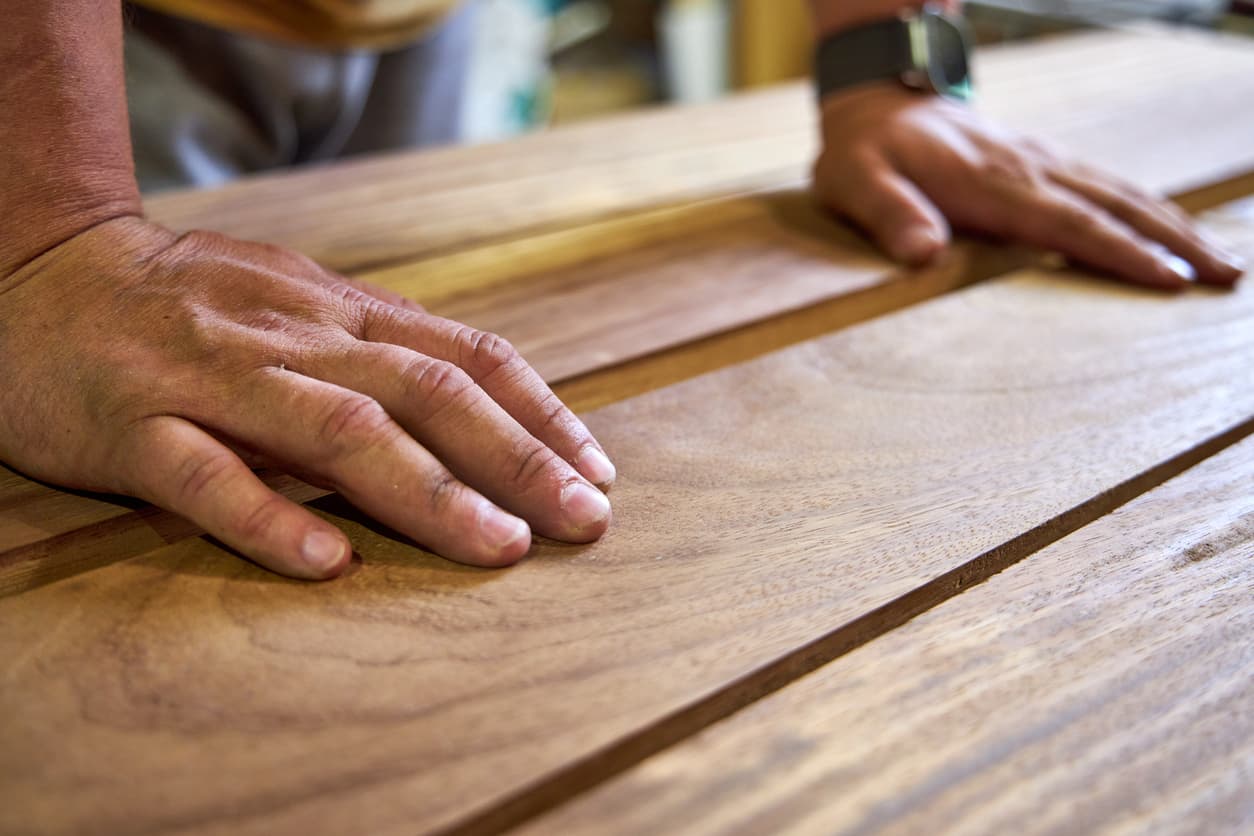
Solid wood represents the premium segment. It offers natural aesthetics, superior strength, and long-term durability. Luxury hotels often prefer solid wood for its high-end appearance and durability.
Surface finishes also play a critical role. Laminates offer durability, scratch resistance, and cost efficiency, making them ideal for high-traffic environments. Veneer provides a more natural and elegant look but requires more careful maintenance.
Developers must balance cost and performance when selecting materials. Choosing cheaper materials may reduce initial investment but can increase long-term maintenance and replacement costs. High-quality materials provide better durability and reduce operational expenses over time.
Understanding the hotel furniture cost in Ghana is essential for accurate project budgeting. Many developers underestimate furniture costs, which leads to financial pressure during later stages of the project.
Furniture cost depends on several key factors, including the number of rooms, material quality, design complexity, and logistics. Projects generally fall into three main categories: budget, mid-range, and luxury.
Budget hotel projects focus on cost efficiency and basic functionality. They use standard designs and economical materials. Mid-range hotels aim to balance cost and aesthetics, often using a mix of MDF and veneer finishes. Luxury hotels prioritize design, customization, and premium materials such as solid wood.
Total average range:
👉 $1200 – $3500 per room depending on segment
Cost optimization requires strategic planning. Working with experienced manufacturers allows developers to reduce costs without compromising quality.
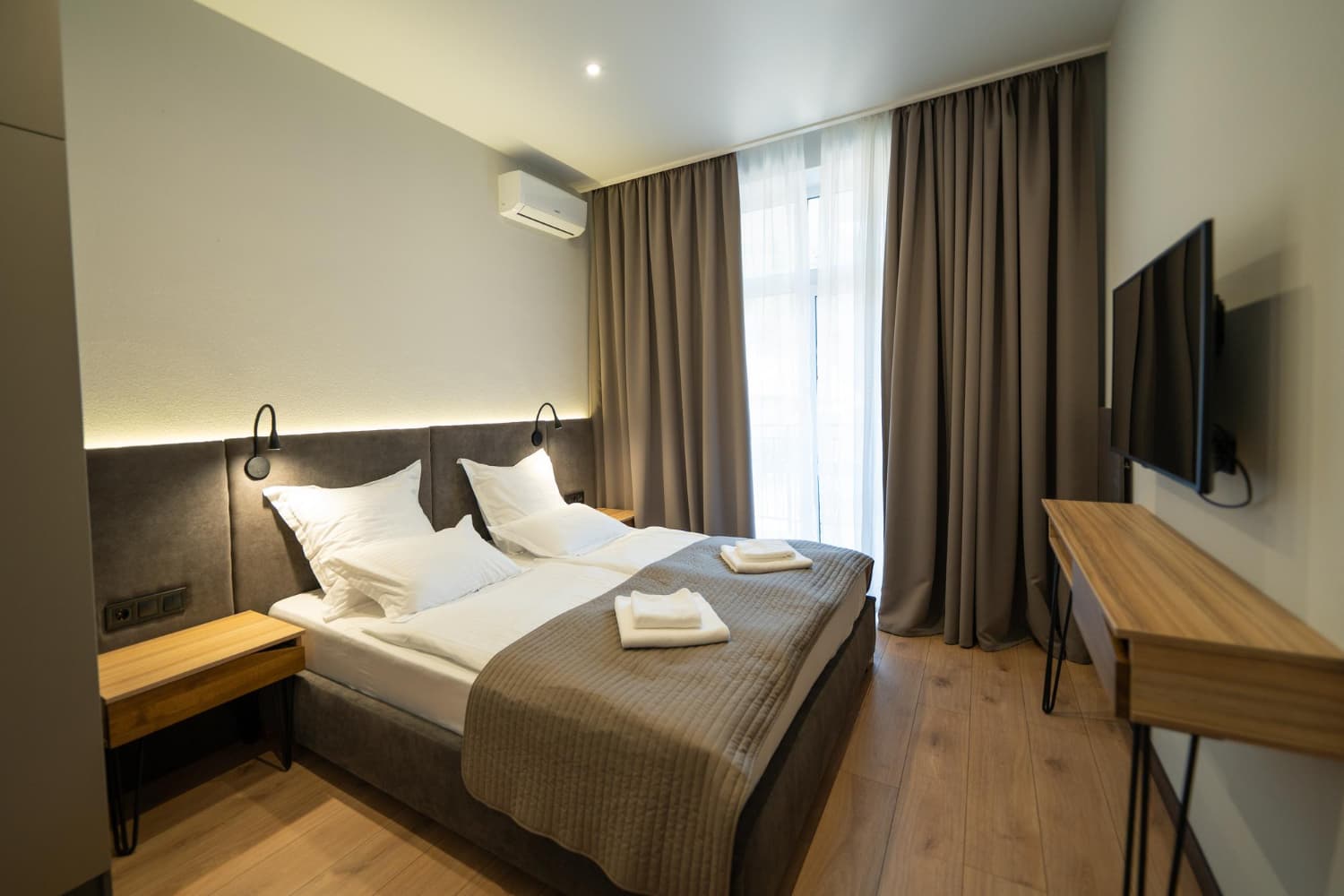
Many developers choose hotel furniture packages to simplify procurement and reduce project complexity. Instead of sourcing individual items, packages provide a complete solution that includes all essential furniture components.
Furniture packages ensure consistency across rooms. Every piece follows the same design concept, material selection, and finishing standards. This approach improves both visual harmony and production efficiency.
One of the main advantages of furniture packages is cost control. Bulk production reduces unit costs and improves pricing efficiency. Developers can achieve better value compared to purchasing items individually from multiple suppliers.
Another important advantage is project coordination. Managing multiple suppliers creates communication challenges and increases the risk of delays. Working with a single supplier for furniture packages simplifies coordination and improves project flow.
Furniture packages are particularly effective for medium and large hotel projects where consistency and efficiency are critical.
FF&E (Furniture, Fixtures, and Equipment) planning is a crucial stage in hotel development. It ensures that all furniture elements align with the project’s design concept, budget, and operational needs.
A proper FF&E plan includes a detailed furniture list (BOQ), material specifications, layout planning, and budget allocation. This structured approach minimizes errors and improves coordination between designers, suppliers, and contractors.
Developers who invest time in detailed FF&E planning can avoid costly mistakes and ensure a smoother project execution.
Importing furniture from Turkey has become one of the most preferred strategies for hotel developers in Ghana. This approach provides a strong balance between quality, cost efficiency, and scalability. Many investors choose exporting hotel furniture from Turkey to Africa because it allows them to work with experienced manufacturers who understand international standards.
Turkish manufacturers operate with a project-based production model. This means they do not simply produce furniture; they manage the entire process from design to delivery. Developers benefit from a single point of contact, which simplifies communication and reduces project complexity.
The import process usually follows a structured sequence. First, the design and technical drawings are approved. Then, material selection and finishes are finalized. After that, production begins based on the agreed specifications. Once production is complete, the furniture is carefully packed and loaded into containers for shipment.
One of the key advantages of importing from Turkey is packaging quality. Professional manufacturers use export-grade packaging systems to prevent damage during transportation. Each item is protected with foam, corner guards, and reinforced wrapping materials.
Another advantage is cost transparency. Developers receive a clear quotation that includes production, packaging, and loading costs. This allows accurate budgeting and eliminates unexpected expenses.
From a strategic perspective, importing furniture from Turkey gives developers access to international quality standards while maintaining competitive pricing. This combination is difficult to achieve with local-only sourcing.
Logistics is one of the most critical aspects of hotel furniture projects. Even if the furniture is produced with high quality, poor logistics planning can cause delays, damage, and additional costs.
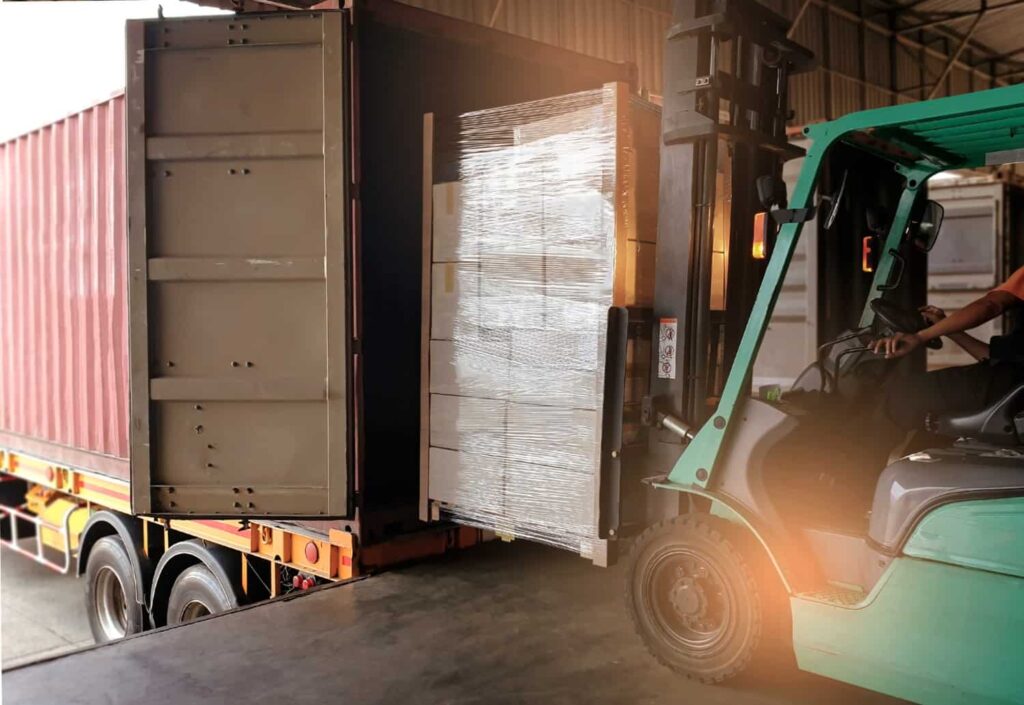
Furniture is typically shipped via sea freight from Turkey to Tema Port in Ghana. The shipping process involves container loading, international transport, customs clearance, and inland delivery.
Container planning plays a major role in cost efficiency. A standard 40-foot container can hold furniture for approximately 20–30 hotel rooms, depending on the design and packaging system. Optimizing container usage reduces shipping costs per room.
Packaging is another critical factor. Furniture must be protected against impact, humidity, and movement during transportation. High-quality manufacturers use layered protection systems, including foam padding, stretch film, and reinforced carton boxes.
Customs clearance is a stage that requires careful attention. Incorrect documentation can lead to delays and additional fees. Experienced suppliers provide all necessary export documents, including packing lists, invoices, and certificates.
Inland transportation from Tema Port to the project site must also be planned in advance. Delivery scheduling should align with the installation timeline to avoid storage issues or delays.
Proper logistics management ensures that furniture arrives safely, on time, and ready for installation.
Time management is one of the most important factors in hotel development. Delays in furniture production or delivery can directly affect the opening date of the hotel.
A typical hotel furniture project follows a structured timeline. Production usually takes between 4 and 8 weeks, depending on the size and complexity of the project. After production, shipping takes approximately 3 to 5 weeks, depending on the shipping route and schedule.
Installation requires an additional 1 to 3 weeks, depending on the number of rooms and the efficiency of the installation team.
Developers must plan these stages carefully and align them with the overall construction schedule. Delays in one stage can create a chain reaction that affects the entire project timeline.
Working with an experienced contract furniture supplier ghana helps ensure better timeline management. Professional suppliers provide clear production schedules and regular updates, allowing developers to track progress and adjust plans if necessary.
Installation is the stage where all planning and preparation come together. Even high-quality furniture can lose value if installation is not handled correctly.
The installation process starts with site readiness. Rooms must be clean, completed, and ready to receive furniture. Any unfinished construction work can delay installation and increase the risk of damage.
Delivery coordination is the next step. Furniture must arrive in the correct sequence based on the installation plan. This prevents congestion and ensures smooth workflow.
Assembly and placement require skilled teams. Furniture must be installed according to technical drawings and layout plans. Proper alignment, fixing, and positioning are essential for both functionality and aesthetics.
Final inspection ensures that all items meet quality standards. Any defects or issues must be resolved before the project is completed.
Professional installation reduces errors, improves efficiency, and ensures long-term durability.
Durability is one of the most critical factors in hotel furniture. Hotels operate continuously, and furniture must withstand heavy daily use.
Working with a reliable hotel furniture supplier for hotels in ghana ensures that materials and construction methods meet durability standards.
Key durability factors include surface resistance, moisture protection, and hardware quality. Furniture must resist scratches, stains, and environmental conditions such as humidity.
Maintenance also plays an important role. Easy-to-clean surfaces reduce operational effort and improve hygiene standards. Hotels should select materials that require minimal maintenance while maintaining their appearance over time.
Investing in durable furniture reduces long-term costs and improves overall operational efficiency.
Hotel projects include multiple functional areas, each with different furniture requirements. Guest rooms, lobbies, restaurants, and outdoor areas all require specialized solutions.
Lobby furniture focuses on aesthetics and comfort. It creates the first impression for guests and must reflect the hotel’s brand identity.
Restaurant furniture must withstand higher traffic and frequent use. It must also meet hygiene standards and be easy to clean. Working with a hotel restaurant furniture supplier ensures that these requirements are met.
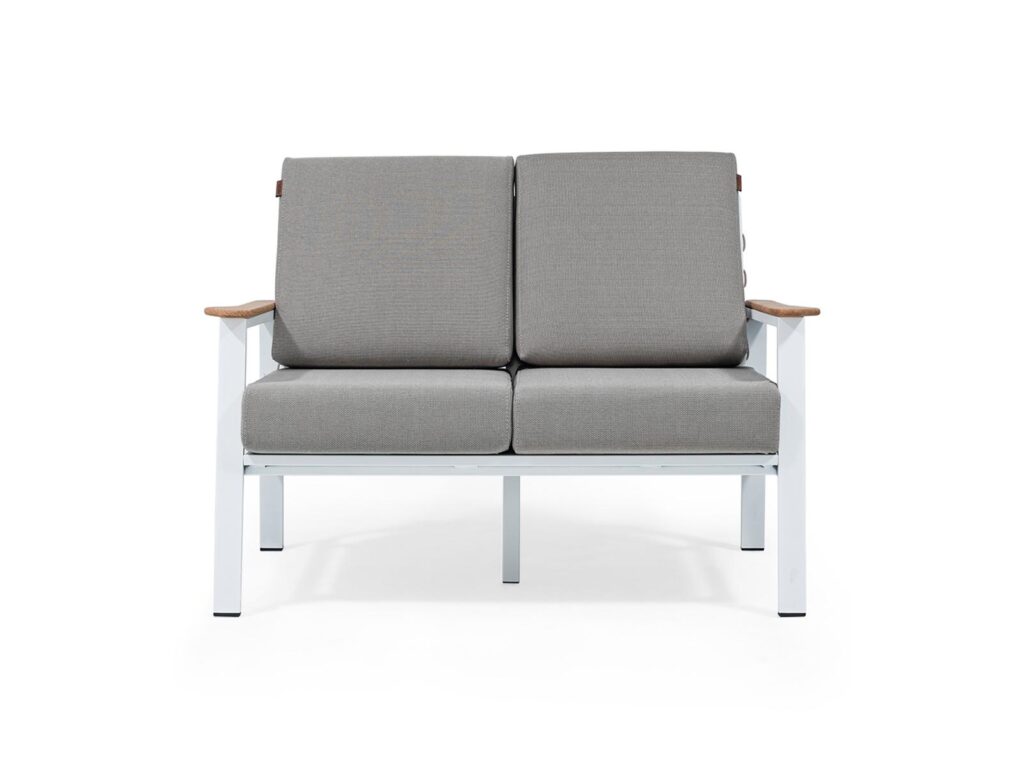
Outdoor furniture requires weather-resistant materials. Exposure to sunlight, rain, and humidity requires special finishes and materials.
Each area must be designed and furnished according to its function, ensuring both durability and visual consistency.
Many hotel projects face problems due to poor planning and incorrect decisions during the procurement process.
One of the most common mistakes is choosing suppliers based only on price. Low-cost options often lead to poor quality and higher long-term costs.
Another mistake is ignoring logistics planning. Delays, damage, and unexpected costs often result from weak logistics strategies.
Developers also underestimate production timelines. This creates pressure during later stages of the project.
Skipping quality control is another major risk. Using a structured hotel furniture quality checklist helps prevent defects and ensures consistent quality.
Developers often compare different sourcing options. The most common comparison includes Turkey, China, and local suppliers.
Turkey offers a strong balance between quality and cost. Manufacturers specialize in hospitality projects and provide reliable production systems.
China offers lower prices in some cases but often involves longer lead times and communication challenges.
Local suppliers provide easier communication but struggle with large-scale production and consistency.
Choosing the right supplier depends on project size, budget, and quality expectations.
A structured procurement process ensures smooth project execution.
This step-by-step approach reduces errors and improves coordination.
Choosing the right manufacturer is critical for project success.
Developers should evaluate experience, production capacity, export capability, and communication quality.
Working with a hotel furniture factory turkey provides access to professional production systems and reliable delivery.
Usually 4–8 weeks.
Via sea freight to Tema Port.
Yes, most manufacturers offer customization.
Materials, quantity, and logistics.
Most projects combine both strategies.
WhatsApp us