
Hotel furniture comparison is one of the most critical steps in planning a successful hospitality project. Choosing between Turkey, China, and Europe directly affects your budget, timeline, and long-term furniture performance. A structured hotel furniture comparison helps hotel owners, interior designers, and contractors avoid costly mistakes and make confident sourcing decisions.
Many projects fail not because of poor design, but because of wrong supplier selection. A low unit price may look attractive at the beginning, but hidden costs such as logistics delays, poor packaging, or low durability can create serious financial risks. For this reason, a professional hotel furniture comparison must evaluate cost, quality, lead time, and supplier reliability together—not separately.

Hotel furniture sourcing follows a structured process that starts with concept design and ends with installation. Each step directly impacts quality, cost, and timeline.
The process typically includes:
In real hotel projects, delays often happen between approval and production stages. If specifications are unclear, suppliers may interpret requirements differently, leading to inconsistencies. Understanding this process is essential when planning hotel furniture Ghana projects.
A proper hotel furniture comparison must always consider total landed cost. Many buyers make the mistake of comparing only factory prices, which leads to inaccurate budgeting.
Total cost includes:
Turkey usually offers a balanced cost structure. China often provides lower production prices but higher logistics complexity. Europe typically delivers premium quality at significantly higher cost.
Projects that ignore logistics costs often exceed their budgets. For example, delays at ports or damaged goods due to weak packaging can increase costs dramatically. You can explore a detailed hotel furniture cost breakdown in Ghana projects here.
According to global trade data, international furniture supply chains continue to expand across emerging markets.
Turkey has become a strong global player in contract furniture manufacturing. Turkish suppliers offer flexibility, customization, and competitive pricing.
Advantages of Turkey:
However, Turkey also has limitations. Production capacity may become tight during peak periods. Prices can fluctuate depending on raw material costs.
Despite these challenges, Turkish manufacturers are often the best choice for projects that require customization and reliable communication.
China dominates global furniture production due to its scale and cost efficiency. Many hotel projects choose China for budget-driven procurement.
Advantages of China:
However, there are critical risks:
If problems occur during production, resolving them remotely can be difficult and time-consuming. Exporting logistics challenges are explained in detail in this guide.
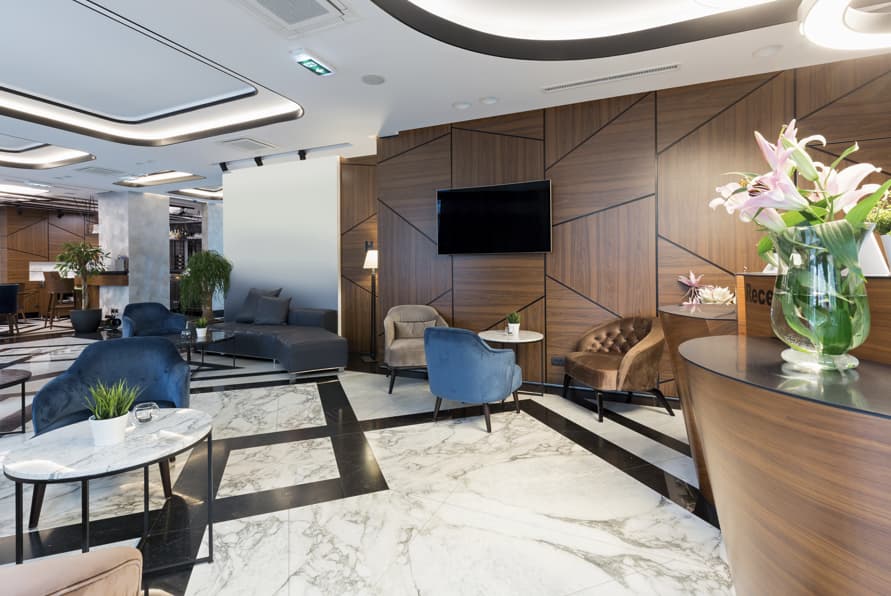
European manufacturers focus on premium quality, design excellence, and strict compliance standards.
Advantages:
Challenges:
European furniture works best for luxury hotels where brand perception is critical.
Quality should always be evaluated using measurable criteria.
Key factors include:
Many buyers focus only on visual appearance, which can be misleading. True quality reveals itself over time through durability and performance. A detailed inspection process is explained in our hotel furniture quality checklist.
Lead time plays a crucial role in hotel project planning.
Typical timelines:
Turkey offers faster delivery for nearby regions. China requires longer shipping times. Europe provides stable but slower timelines.
Poor planning can delay hotel openings, which directly impacts revenue.
Choosing the right supplier depends on project priorities.
However, the best decision comes from aligning supplier capabilities with project requirements. For a complete overview of suppliers, costs, and planning, see our hotel furniture Ghana guide.
Many hotel projects fail at the sourcing stage, not because of poor suppliers, but because of incorrect decision-making processes. A proper hotel furniture comparison helps identify risks early, but many buyers still repeat the same mistakes.
One of the most common mistakes is focusing only on price. A low quotation may hide critical issues such as weak materials, poor hardware, or insufficient packaging. These problems often appear after installation, when fixing them becomes costly and time-consuming.
Another mistake is working with unclear specifications. When technical details such as panel thickness, surface materials, or hardware standards are not defined, suppliers may interpret requirements differently. This leads to inconsistent quality across rooms.
Skipping mock-up rooms is also a serious risk. A mock-up allows buyers to test furniture in real conditions before mass production. Without this step, design flaws and usability issues may go unnoticed.
Logistics is one of the most underestimated aspects of hotel furniture comparison. Even if production quality is high, poor logistics planning can delay projects and increase costs.
Shipping from China typically takes longer, often requiring 30–45 days depending on the route. Turkey offers shorter transit times to Africa and Europe, making it a more predictable option for time-sensitive projects.
Packaging quality is another critical factor. Hotel furniture must be packed for international transport, not local delivery. Weak packaging can result in damaged goods, which leads to delays and additional costs.
Customs clearance also plays a role. Incorrect documentation or poor coordination with freight forwarders can create unexpected delays at ports.
A structured decision framework helps simplify the hotel furniture comparison process. Instead of focusing on a single factor, buyers should evaluate suppliers across multiple criteria.
Key decision factors include:
For example, a fast-track project with tight deadlines may benefit from Turkish suppliers due to shorter lead times. A budget-driven project may lean toward China, while luxury projects often require European manufacturers.
The best results come from aligning supplier capabilities with project goals rather than choosing based on price alone.
Ask every supplier to quote the same scope with the same Incoterms, packing spec, and finish schedule. Then compare landed cost, not unit price.
Plan for drawings, a mock-up room, production, and shipping. Production commonly falls into a multi-week window, while shipping varies sharply by region and mode.
Not always. China can be cheaper on unit price, yet long shipping time, freight cost, and rework risk can raise the true total.
Europe often delivers excellent finishing and compliance comfort, but quality also depends on factory tier and how strict your mock-up approval is.
Late changes. If you change finishes, hardware, or dimensions after sign-off, you can lose weeks and money in any region.
Ask for panel emission classifications and test documentation where relevant, plus wood traceability evidence for EU-bound projects.

WhatsApp us