When planning hotel furniture manufacturing turkey ghana projects, custom hotel furniture manufacturing becomes the defining factor between a standard installation and a fully optimized hospitality environment. In modern hotel developments, furniture is no longer selected from catalogs; it is engineered to match architectural layouts, operational workflows, and brand positioning.
Quick Answer:
Custom hotel furniture manufacturing is the process of designing and producing furniture specifically for a hotel project, based on room layouts, brand identity, and operational requirements.
In hospitality projects, standard furniture often creates limitations, while custom production creates alignment. This alignment affects everything from space efficiency and guest comfort to maintenance cost and long-term durability.
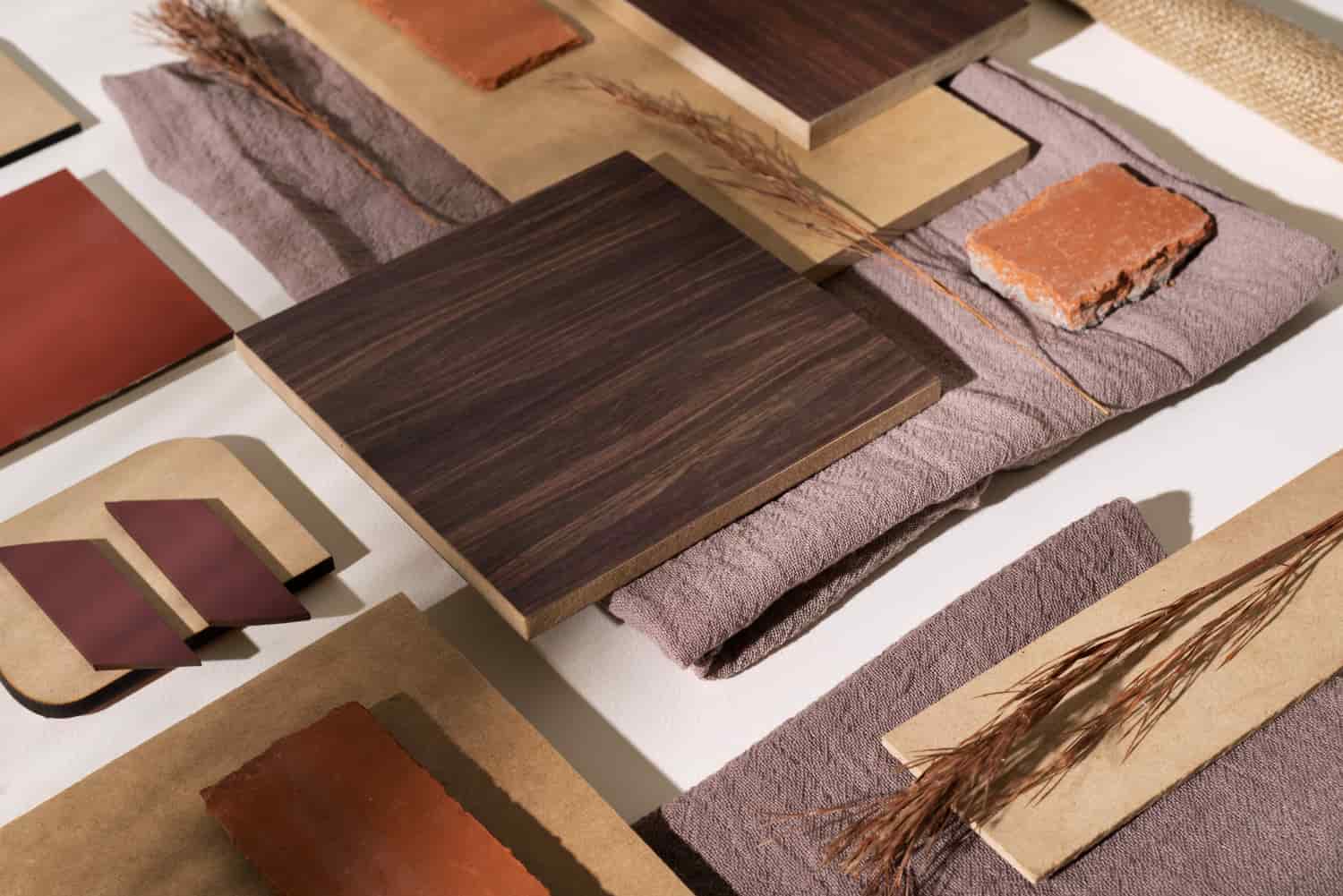
Custom hotel furniture manufacturing is not a luxury option; it is a functional requirement for most hotel developments. Each hotel has different room sizes, layouts, service concepts, and brand expectations. Standard furniture rarely fits perfectly into these conditions.
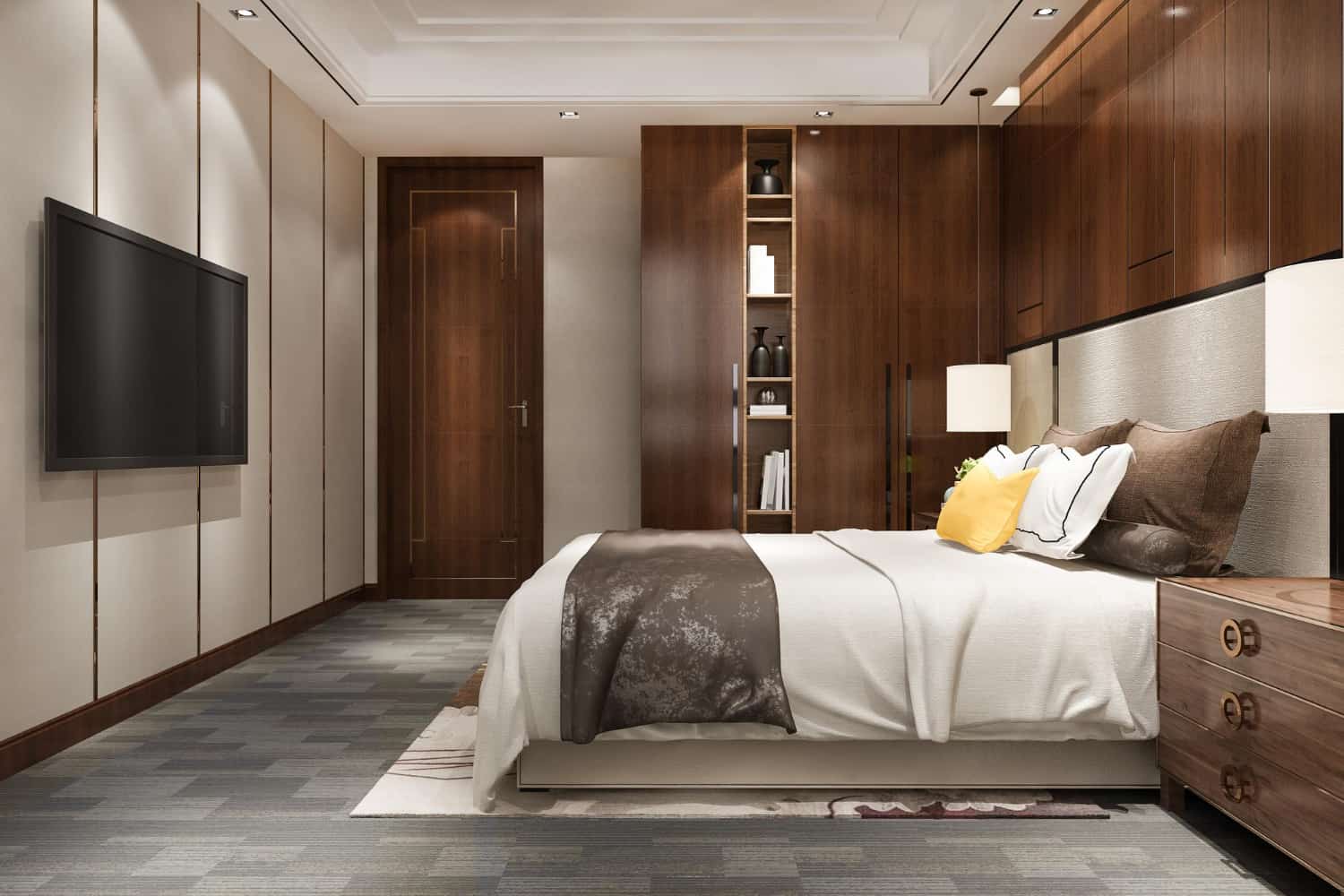
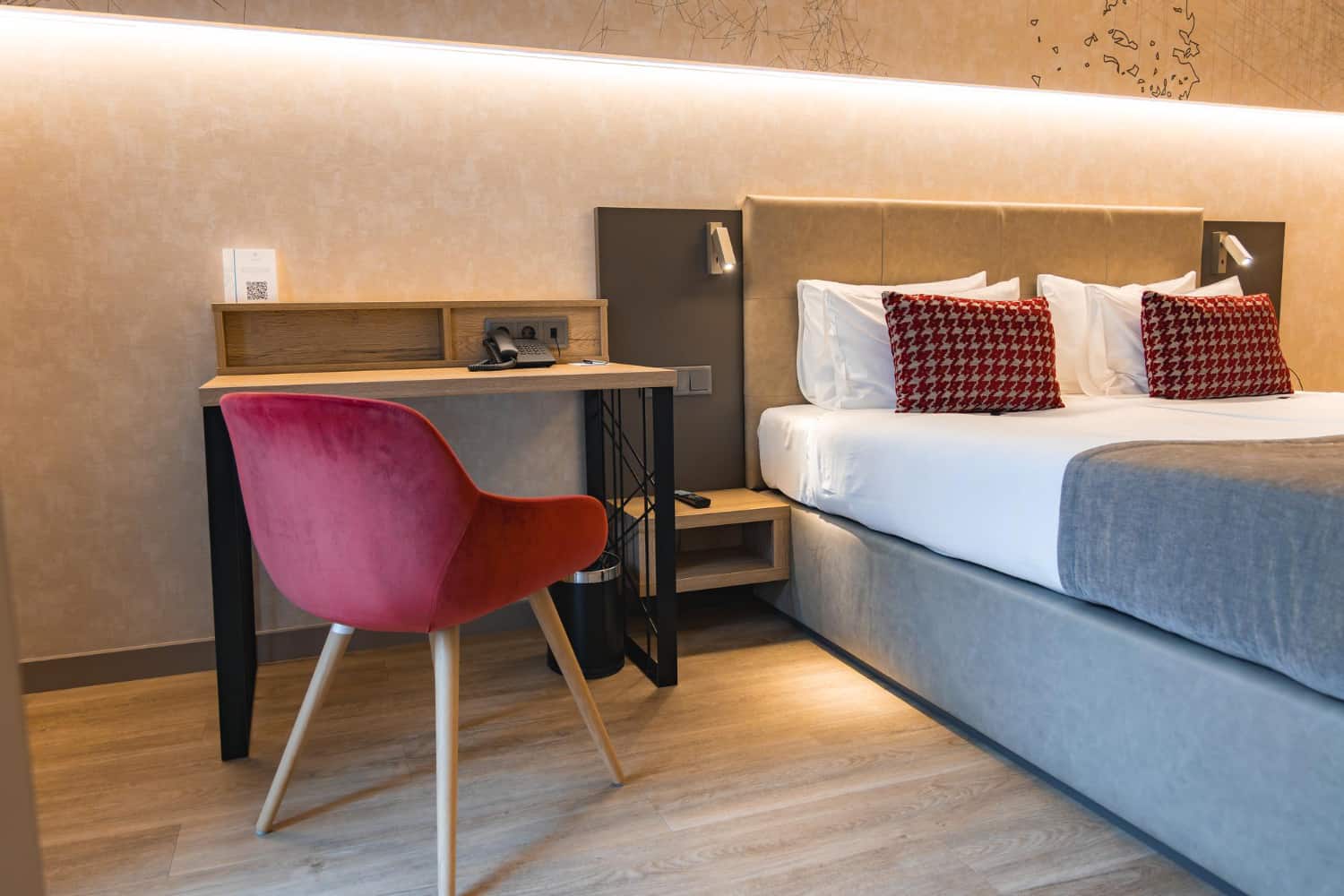
Guest rooms must accommodate bed bases, headboards, nightstands, wardrobes, desks, and TV units within limited space. If these elements are not designed together, the room may feel crowded, inefficient, or inconsistent. Custom production allows designers and developers to optimize every dimension.
In Ghana projects, where space utilization and durability are critical, custom manufacturing ensures that furniture performs well under real usage conditions. It also supports long-term operational efficiency by reducing maintenance issues and improving replacement consistency.
Many hotel projects fail not because of poor design ideas, but because those ideas are not translated correctly into production. Custom manufacturing bridges the gap between concept and execution.
Custom production is a structured part of the hotel furniture manufacturing process, not an isolated step. It begins with concept design, continues through technical development, and ends with controlled production and inspection.
The process usually starts with layout drawings and design concepts prepared by architects or interior designers. These concepts are then translated into technical shop drawings by the manufacturer. At this stage, dimensions, materials, finishes, hardware, and construction methods are defined in detail.
Once drawings are approved, sample production or mock-up rooms may be created. This step ensures that the design works in real conditions before full production begins. After approval, mass production starts with strict control over materials, dimensions, and finishes.
Quality control is integrated throughout the process. A strong hotel furniture quality control system ensures that each item matches approved specifications and performs consistently across all rooms.
Material selection is one of the most critical decisions in custom hotel furniture manufacturing. Different materials behave differently under hotel conditions, especially in African climates.
Hotel furniture materials manufacturing must consider humidity, temperature variation, and heavy usage. MDF, plywood, laminate, veneer, metal, glass, and upholstery materials must be selected based on durability, maintenance, and cost balance.
In Ghana projects, moisture resistance is especially important. Poor material selection can lead to swelling, peeling, or structural issues after installation. This is why custom manufacturing must align material choice with environmental conditions and operational requirements.
Material decisions also affect aesthetics. The same design can look completely different depending on finish type, color consistency, texture, and detailing. Custom production allows these elements to be controlled precisely.
Custom hotel furniture manufacturing directly affects hotel furniture production time. Unlike standard furniture, custom items require additional stages such as drawing approval, sampling, and coordination between design and production teams.
However, the real challenge is not the production duration itself, but how well the process is managed. Delays often occur when approvals are slow, specifications are unclear, or coordination between stakeholders is weak.
For Ghana projects, production timelines must also align with export schedules. Once production is completed, furniture must be prepared for shipment, which includes hotel furniture export packaging, container loading, and documentation.
In custom hotel furniture projects, delays usually occur at the approval stage, not during production. Clear decisions early in the process significantly reduce overall project time.
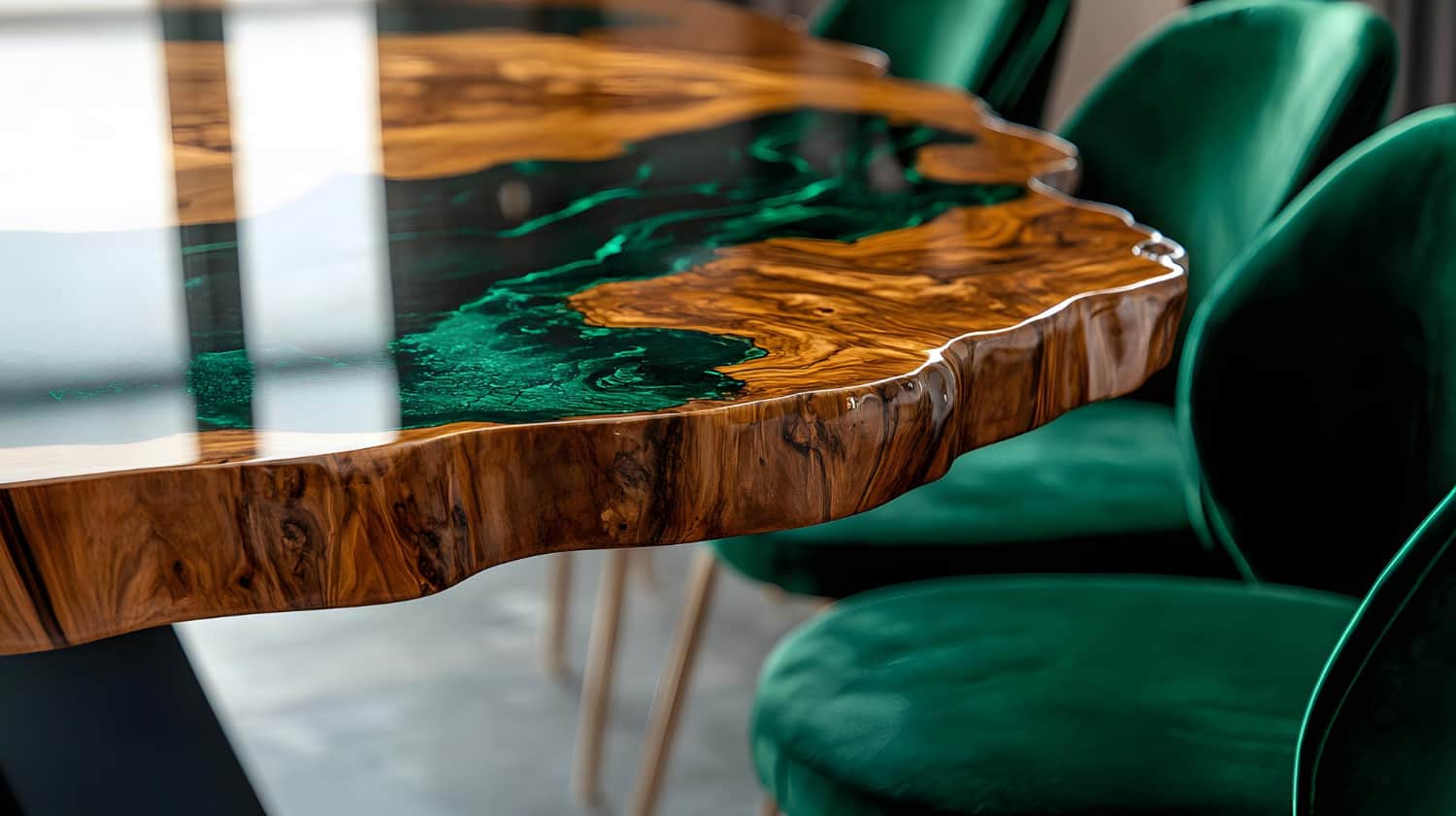
The main difference between custom manufacturing and standard production is flexibility. Standard production follows fixed designs, while custom manufacturing adapts to project requirements.
Standard furniture may be faster to produce, but it often creates compromises in layout, functionality, and visual consistency. Custom production requires more coordination but delivers better results in terms of fit, performance, and brand alignment.
For large hotel projects, custom manufacturing also supports repeatability. Once a design is approved, it can be produced consistently across multiple rooms, ensuring uniform quality and appearance.
This consistency is especially important in projects where brand identity and guest experience must be controlled across all units.
Selecting the right partner is critical in custom hotel furniture manufacturing. The decision between a hotel furniture manufacturer vs supplier can significantly impact project outcomes.
A direct manufacturer usually offers better control over production, materials, and quality. A supplier or intermediary may provide convenience but can reduce transparency in production processes.
Turkey has become a major hub for hotel furniture manufacturing because it combines industrial production capacity with customization capability. Working with a hotel furniture manufacturer Turkey partner allows developers to achieve both flexibility and consistency.
For large-scale developments, OEM hotel furniture manufacturing can also be considered. This approach allows developers to produce furniture under specific project or brand requirements while maintaining control over design and specifications.
Custom manufacturing does not end with production. Once furniture is completed, it must be prepared for export. This is where hotel furniture export packaging becomes critical.
Packaging must protect custom-designed furniture during shipping, especially when items include unique shapes, delicate finishes, or complex assemblies. Poor packaging can damage even the best-designed products.
Container loading must also be planned carefully. Custom furniture often has non-standard dimensions, which affects how items fit into containers. Efficient loading ensures both protection and cost optimization.
Export documentation and shipping coordination must align with production completion. Delays in any of these stages can affect project timelines.
Custom hotel furniture manufacturing must comply with hotel furniture manufacturing standards. These standards are not limited to certifications; they include durability, safety, functionality, and consistency requirements.
Quality expectations should be defined clearly before production begins. This includes material specifications, finish standards, dimensional tolerances, and performance criteria.
A structured quality control process ensures that all items meet these standards before shipment. This reduces the risk of defects, rework, and delays.
Custom hotel furniture manufacturing must follow internationally recognized quality frameworks to ensure durability and consistency. You can review global standards from the International Organization for Standardization (ISO) to better understand how manufacturing quality is defined and controlled.
Custom manufacturing introduces complexity, which must be managed carefully. One common challenge is misalignment between design and production. If technical drawings are not accurate, production errors may occur.
Another challenge is coordination between different stakeholders. Designers, developers, manufacturers, and contractors must work together to ensure that all elements are aligned.
Production scaling can also be difficult. A design that works for one sample must be replicated consistently across many units. Without proper control, variations may appear.
Export coordination adds another layer of complexity. Shipping schedules, packaging requirements, and documentation must all be managed together.
Custom hotel furniture manufacturing is often perceived as more expensive than standard furniture. However, this is not always true when considering the full project lifecycle.
Custom production may have higher initial costs due to design and engineering work. However, it often reduces long-term costs by improving durability, reducing maintenance, and preventing installation issues.
Cost should be evaluated as part of the entire project strategy, not only as a production expense. When furniture fits correctly, performs well, and lasts longer, the overall investment becomes more efficient.
Custom manufacturing should be integrated into the overall hotel development strategy. It affects design, production, logistics, installation, and operation.
Developers who treat custom manufacturing as a core process, rather than a separate task, achieve better results. Coordination between all stages ensures smoother execution and fewer risks.
In Ghana hotel projects, this integration is especially important due to export requirements and environmental conditions.
Custom hotel furniture manufacturing is a key element in successful hotel projects. It allows developers to align design, functionality, and operational requirements into a single system.
When managed correctly, it improves space efficiency, enhances guest experience, reduces maintenance costs, and supports long-term performance.
By combining a structured hotel furniture manufacturing process, strong quality control, appropriate materials, controlled production time, and proper export preparation, custom manufacturing becomes a powerful tool for delivering successful hospitality projects in Ghana.
Custom hotel furniture manufacturing is the process of designing and producing furniture specifically for a hotel project based on room layouts, brand standards, and operational needs. Unlike standard products, each item is engineered to fit the space precisely and perform under heavy commercial use.
Custom hotel furniture manufacturing is important for Ghana projects because it ensures proper space utilization, durability in humid conditions, and consistent quality across all rooms. Standard furniture often fails to meet these requirements, leading to operational and maintenance issues.
Custom hotel furniture manufacturing typically takes between 6 to 10 weeks depending on project size, design complexity, and approval speed. Delays usually occur during the drawing and approval stage rather than production itself.
Custom hotel furniture may have higher initial costs due to design and engineering, but it often reduces long-term expenses by improving durability, minimizing maintenance, and preventing installation problems.
To choose the right manufacturer, evaluate production capacity, experience in export projects, quality control systems, and ability to deliver consistent results at scale. Working directly with an experienced manufacturer reduces risk and improves project execution.
WhatsApp us