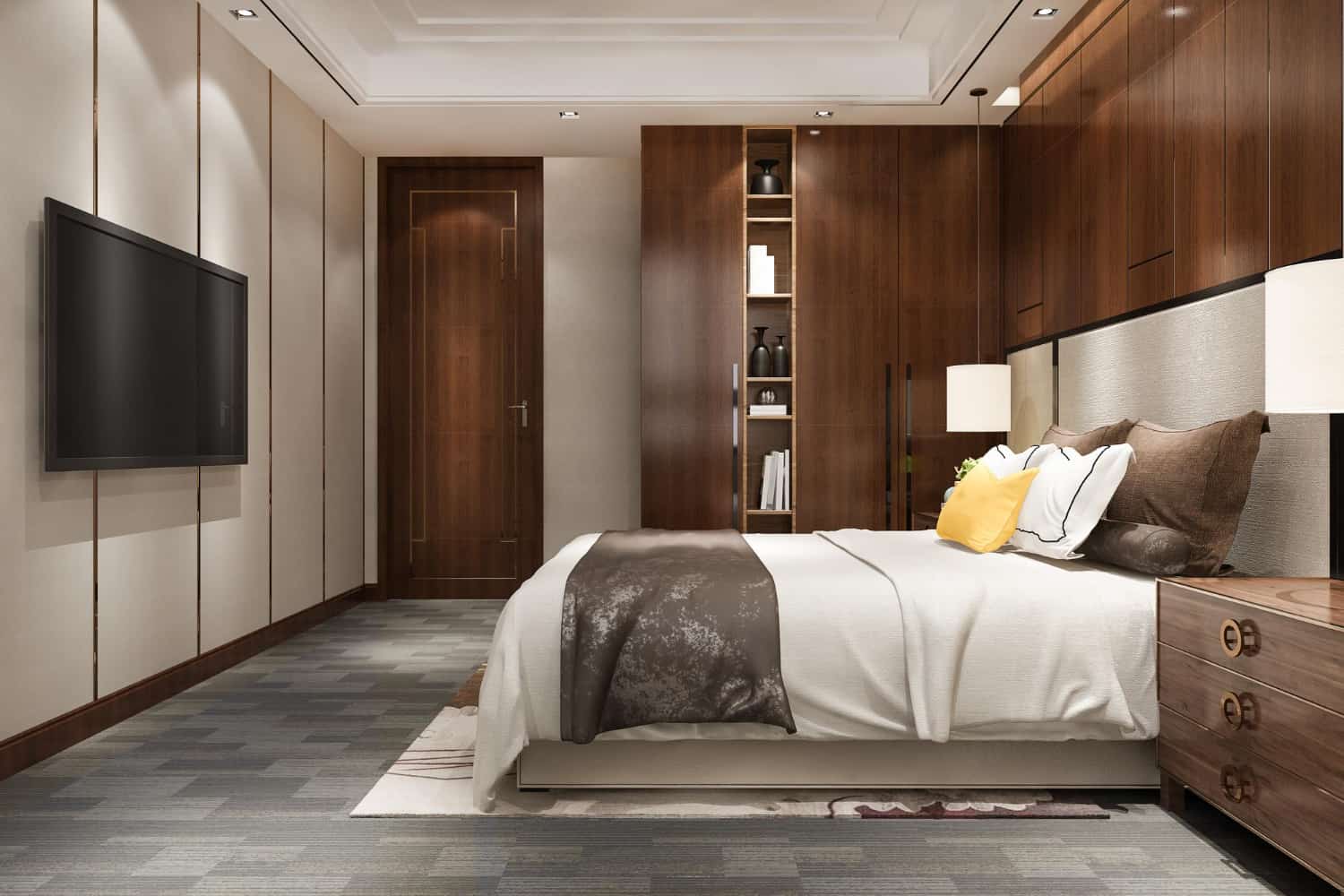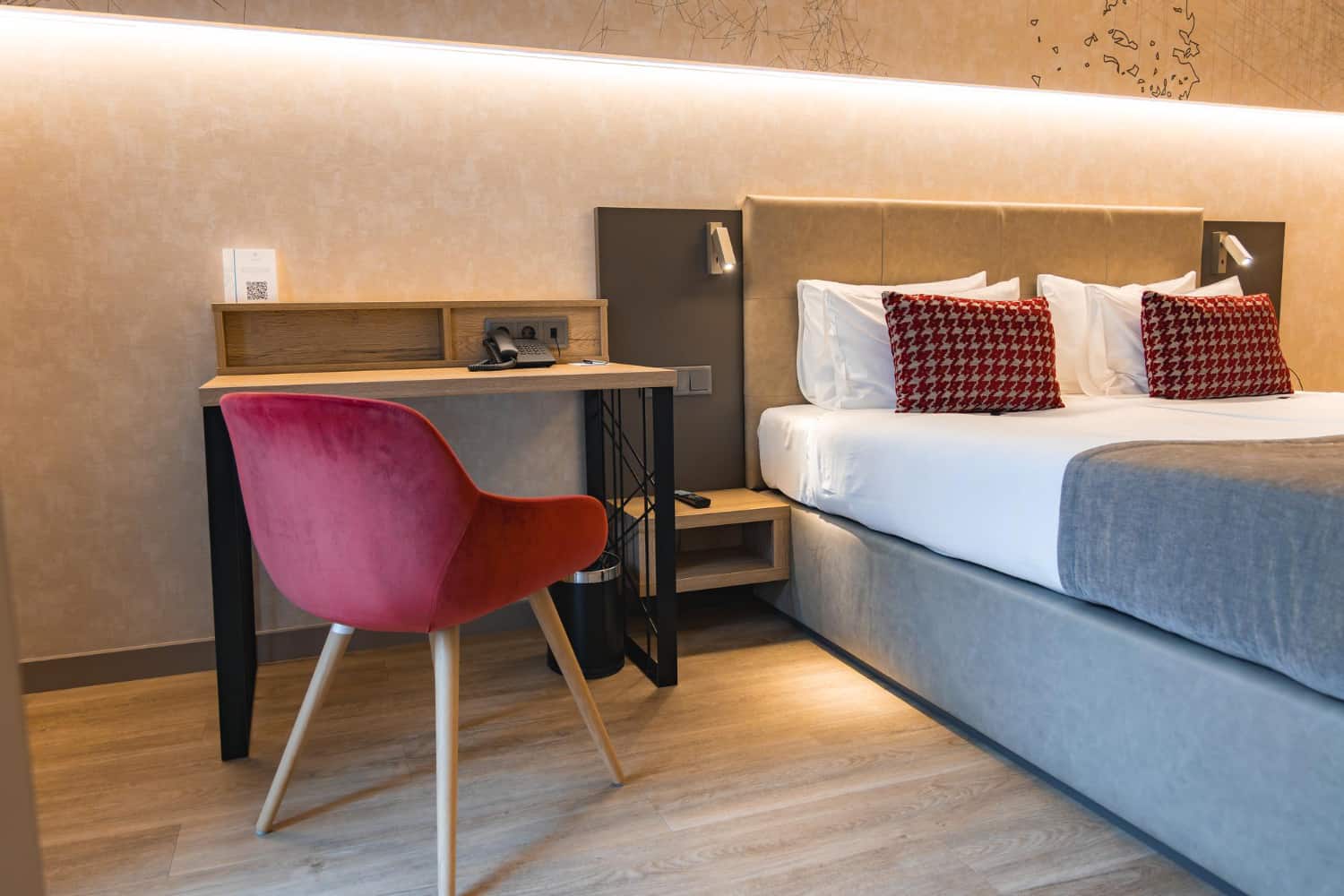
Hotel furniture quality control is one of the most important stages in any export-focused hospitality project, especially when furniture is produced in Turkey and delivered to Ghana. In large hotel developments, quality cannot depend only on visual approval or supplier promises. It must be managed through a structured inspection system that connects material selection, production accuracy, finishing quality, packaging, and export preparation. This is why quality control must be planned within a broader hotel furniture manufacturing turkey ghana strategy, where production and delivery are coordinated from the factory floor to the hotel site.
For Ghana projects, quality control is even more important because furniture must withstand humidity, heavy guest usage, frequent cleaning, long-distance shipping, and installation pressure. A defect discovered in the factory is usually easy to correct. A defect discovered after arrival in Ghana can delay installation, increase cost, and damage the project timeline.
This guide explains how professional quality control works in hotel furniture manufacturing for export projects, what should be inspected, which mistakes to avoid, and how developers can reduce risk before shipment.
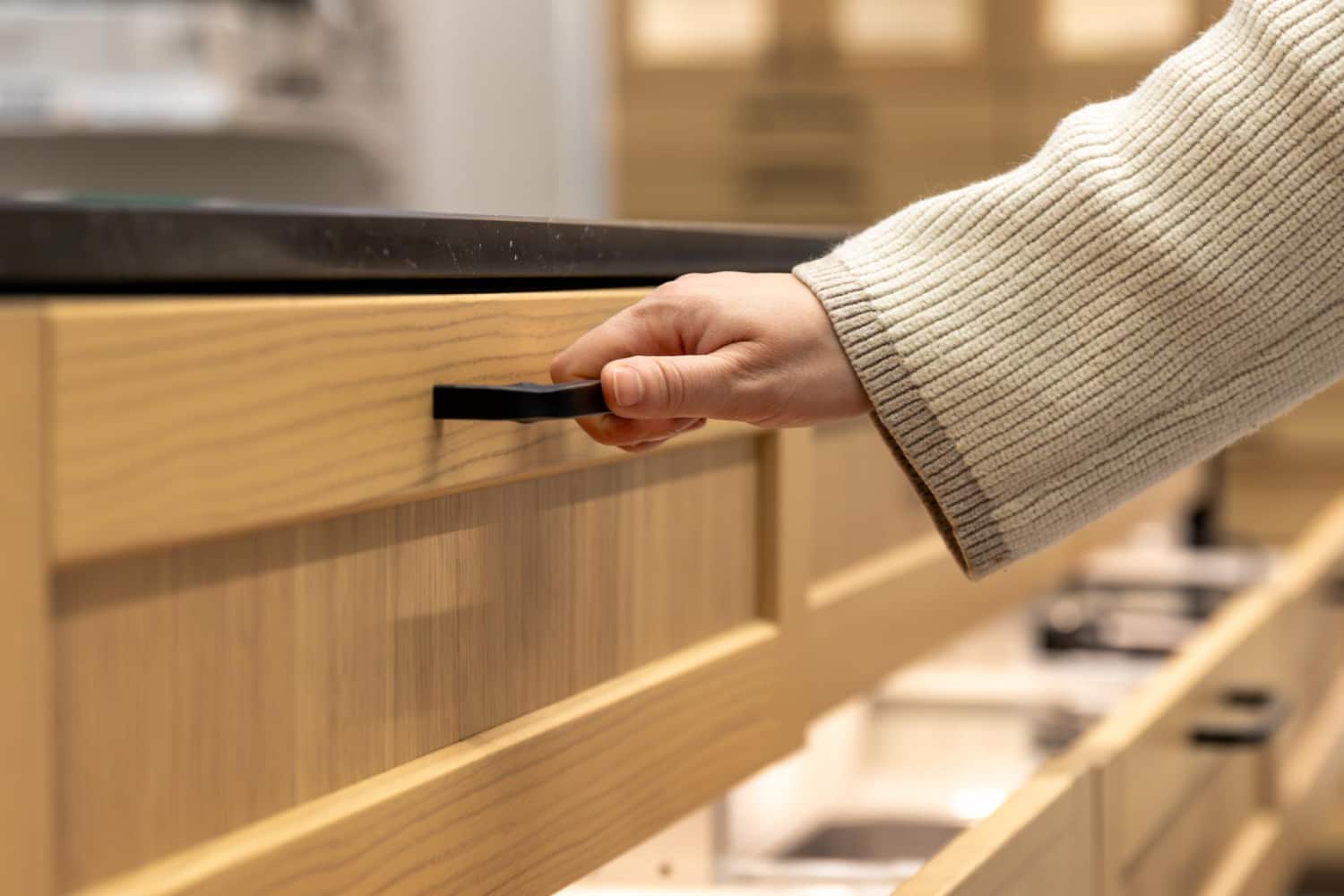
In hotel projects, furniture is not purchased as isolated pieces. It is produced as part of a repeated system across guest rooms, lobbies, restaurants, corridors, and outdoor areas. A single defect may look small, but when the same problem appears across 80 or 150 rooms, it becomes a major project issue.
Quality control protects three things at the same time: the investment, the project timeline, and the guest experience. Poorly inspected furniture can lead to uneven finishes, weak joints, incorrect dimensions, damaged surfaces, unstable seating, or missing hardware. These issues create extra work during installation and increase maintenance costs after opening.
For Ghana projects, the risk is higher because export adds distance. Once furniture leaves the factory, correcting mistakes becomes more expensive. This is why professional hotel furniture quality control must start before production and continue until packaging is completed.
A strong quality control system does not only ask, “Does the furniture look good?” It asks whether the product is structurally correct, dimensionally accurate, climate-ready, properly finished, and export-ready.
Many developers think quality control starts at the end of production. In reality, the most effective quality control starts before the first panel is cut.
The first checkpoint is the project specification. Technical drawings, material codes, dimensions, finish samples, hardware details, and upholstery selections must be clearly approved. If the specification is vague, the factory cannot produce consistent results.
This stage is closely connected to the hotel furniture manufacturing process. A factory can only control quality if the production team knows exactly what must be produced. For example, a wardrobe specification should define board thickness, internal shelving, hinge type, handle position, edge banding, finish color, and installation method. If these details are missing, quality becomes subjective.
Sample approval also plays a critical role. The approved sample becomes the reference point for mass production. Without a sample, the developer and manufacturer may have different expectations about color, finish, comfort, or construction.
For Ghana hotel projects, this pre-production control stage prevents costly misunderstandings. It ensures that all parties agree on what “approved quality” actually means before production starts.
The first physical stage of quality control is material inspection. Furniture performance depends heavily on the quality of raw materials, especially in humid climates.
For export projects to Ghana, materials should be checked for moisture resistance, surface quality, structural strength, and suitability for commercial use. A panel may look acceptable at first glance, but if it has poor density, weak bonding, or low moisture resistance, it may fail quickly in hotel conditions.
This is where hotel furniture materials manufacturing becomes critical. Materials should not be selected only for price or appearance. They must be suitable for the hotel area where they will be used. Guest room casegoods, lobby tables, restaurant chairs, and outdoor furniture all require different performance levels.
HPL surfaces, treated plywood, powder-coated metal, reinforced frames, and durable upholstery systems often perform better in high-use hospitality environments. Standard residential materials may reduce initial cost but increase long-term risk.
A professional manufacturer checks materials before production because poor materials cannot be fixed later with good finishing.
Quality control during production is more effective than waiting until everything is finished. If a mistake is repeated through the entire production batch, the cost of correction becomes much higher.
In-process quality control checks the work while it is happening. Cutting accuracy, edge banding quality, drilling positions, assembly strength, sanding quality, and finish application must all be monitored during production.
This is especially important in custom hotel furniture manufacturing, where dimensions and details may be project-specific. Custom furniture creates strong advantages, but it also requires tighter control because standard templates may not apply.
For example, if a guest room desk is custom-sized for a specific layout, a small measurement error can affect installation across many rooms. If a headboard panel is drilled incorrectly, lighting or electrical coordination may fail. If a chair frame is not assembled properly, durability problems may appear after only a few months of hotel use.
In-process inspection prevents these issues before they scale across the full project.

Visual consistency is a major part of hotel furniture quality. Guests may not understand technical construction details, but they immediately notice uneven finishes, color differences, scratches, poor stitching, and inconsistent details.
In hotel projects, furniture must look consistent across all spaces. A developer cannot accept different wood tones from one room to another or different upholstery shades between batches. This is why finish quality must be controlled carefully.
Finish inspection should check:
| Quality Area | What Should Be Checked | Why It Matters |
|---|---|---|
| Surface finish | Color, texture, gloss, scratches | Ensures visual consistency |
| Edge banding | Adhesion, alignment, gaps | Prevents peeling and moisture damage |
| Upholstery | Stitching, tension, fabric defects | Improves comfort and appearance |
| Hardware | Handles, hinges, drawer slides | Ensures daily usability |
| Dimensions | Height, width, depth, alignment | Prevents installation problems |
This type of inspection is especially important for Ghana projects because furniture may be viewed by guests in strong natural light, humid environments, and high-traffic areas. Small defects become more visible over time.
Hotel furniture must perform under constant use. A chair in a restaurant may be moved dozens of times per day. A wardrobe door may be opened thousands of times in a year. A desk may carry luggage, electronics, and cleaning pressure.
Structural quality control checks whether furniture is built for these real conditions. The inspection should evaluate frame stability, joint strength, load resistance, hardware durability, and assembly integrity.
This is where hotel furniture manufacturing standards become important. Standards help manufacturers test whether products can handle commercial use rather than only residential conditions. Even if a project does not require formal certification, the factory should still follow internal quality procedures based on durability and safety principles.
For a neutral external reference, ISO’s quality management framework is useful for understanding why repeatable processes matter in production.
In export projects, durability checks protect the buyer from receiving furniture that looks good at delivery but fails after months of use.
Quality control also affects timing. Some developers see inspection as a delay, but in reality, it prevents bigger delays later.
The hotel furniture production time should include space for inspection, corrections, packaging review, and final approval. If the timeline is too compressed, factories may rush finishing, skip checks, or pack products before defects are corrected.
A realistic production plan usually includes several checkpoints: material approval, sample approval, in-process inspection, final inspection, and packaging inspection. These checkpoints help keep the project under control.
For Ghana projects, rushing quality control can create serious problems because replacement or repair after export is difficult. It is better to spend extra time at the factory than to discover defects after the container arrives.
Quality control should therefore be part of the schedule from the beginning, not an emergency action at the end.
Pre-shipment inspection is the final major checkpoint before furniture leaves the factory. This stage confirms that the products match the approved specifications and are ready for export.
A proper pre-shipment inspection reviews dimensions, finishes, quantities, labeling, hardware, assembly status, packaging quality, and carton markings. It should also confirm whether the correct items are packed for each room type or project phase.
This stage is also closely connected to hotel furniture export packaging. Even perfectly manufactured furniture can arrive damaged if packaging is weak. Export packaging must protect against movement, moisture, stacking pressure, and handling during loading and unloading.
For Ghana shipments, packaging inspection should be taken seriously because furniture must pass through sea freight, port handling, customs clearance, inland transport, and site delivery. Each stage adds risk.
A strong pre-shipment inspection reduces the chance of damage, missing items, and installation delays.
Quality control becomes more complicated when a buyer works through a middleman instead of directly with a factory. This is why understanding hotel furniture manufacturer vs supplier is important.
A factory controls production directly. It can inspect materials, manage workers, correct mistakes, and verify final output. A middleman may coordinate communication, but they often depend on another factory for actual production.
This does not mean every supplier is bad. Some suppliers manage projects well. However, for large hotel developments, direct manufacturing visibility usually provides stronger quality control.
When choosing between factory and middleman, developers should ask: Who controls the production line? Who checks the materials? Who approves the sample? Who is responsible if defects appear before shipment? Who handles correction?
The clearer the answer, the lower the risk.
For larger hotel groups or multi-project developers, oem hotel furniture manufacturing requires especially strong quality systems. OEM production depends on repeatability. The same design, material, finish, and construction standard may need to be reproduced across different project phases or hotel locations.
Quality control in OEM projects should be documented carefully. This includes approved drawings, material codes, sample references, packaging rules, and inspection checklists. Without documentation, consistency becomes difficult over time.
OEM quality control is not only about the first shipment. It is about ensuring future shipments match the same standard. This is particularly valuable for hotel chains and developers planning multiple projects in Ghana or across Africa.
A repeatable quality system turns manufacturing into a scalable asset.
Many quality issues in hotel furniture export projects are preventable. They usually come from weak planning, unclear specifications, or rushed production.
Common problems include finish variation, incorrect dimensions, weak edge banding, missing hardware, poor packaging, unstable chair frames, and inconsistent upholstery. These problems often appear when the project team approves production too quickly or fails to define inspection criteria.
Another common issue is focusing only on visible surfaces. A product may look good from the outside but have weak internal construction. In hotel environments, hidden weaknesses eventually become operational problems.
For Ghana projects, moisture-related defects are especially important. If boards, adhesives, or finishes are not suitable for humid conditions, the furniture may deteriorate faster than expected.
Good quality control looks beyond appearance. It checks whether furniture is ready for real hotel use.
Developers should not rely only on verbal quality promises. They should request clear quality control procedures before placing an order.
A professional manufacturer should be able to provide production drawings, material samples, finish samples, inspection photos, packing lists, and pre-shipment reports. These documents help the buyer verify progress and reduce uncertainty.
The buyer should also request clear approval stages. For example, production should not move forward until drawings and samples are approved. Packing should not begin until final inspection is completed.
This type of control protects both sides. The developer gets clarity, and the manufacturer receives approved standards to follow.
For large Ghana hotel projects, quality documentation is not bureaucracy. It is risk management.
Successful hotel furniture quality control is not about finding defects at the end. It is about preventing defects throughout the process.
The strongest projects control quality through clear specifications, approved samples, material verification, production monitoring, final inspection, and export-ready packaging. Each stage supports the next.
When quality control works properly, furniture arrives in Ghana ready for installation, not repair. The project team avoids delays, reduces maintenance risk, and protects the hotel’s long-term value.
In hotel furniture manufacturing, quality is not a final inspection. It is a system.
Hotel furniture quality control is the process of checking materials, dimensions, finishes, construction, packaging, and export readiness to ensure furniture meets project requirements.
It prevents defects before shipment. This is critical because repairing or replacing furniture after export to Ghana can be expensive and time-consuming.
Quality control should start before production, with technical drawings, material approvals, and sample confirmation.
Dimensions, finish quality, hardware, structure, quantities, packaging, labels, and carton markings should be checked before shipment.
Good quality control prevents installation delays, replacement issues, and on-site repair problems, helping the project stay on schedule.
WhatsApp us