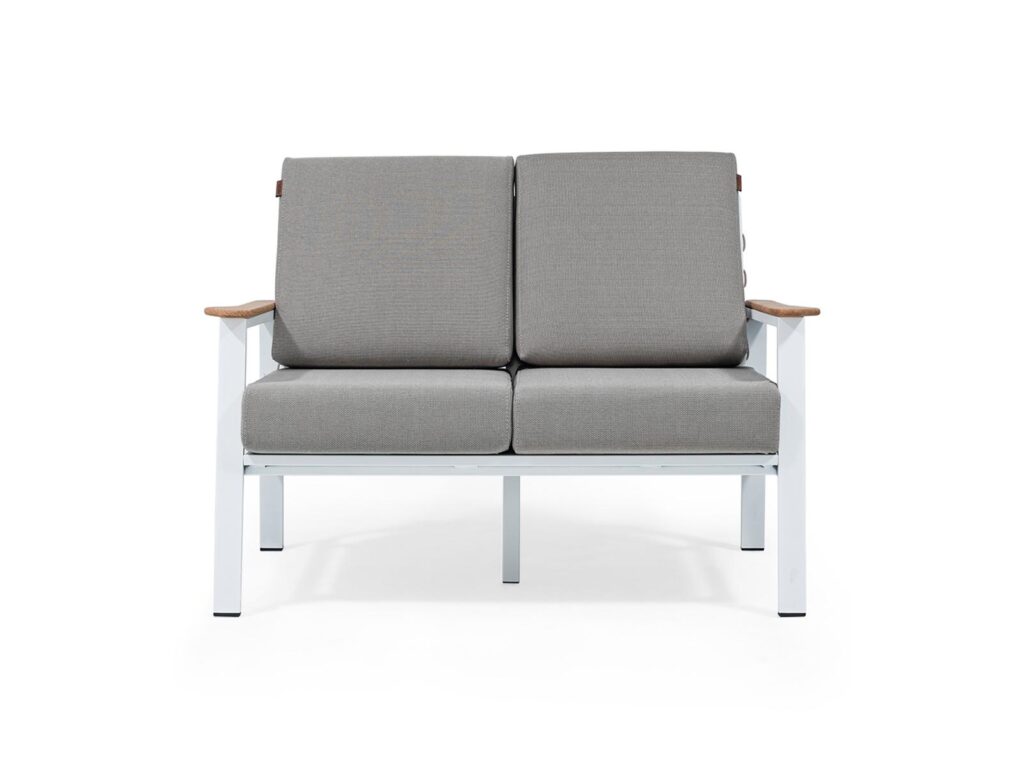
When you export hotel furniture to Ghana, furniture export packaging becomes one of the most important parts of the entire project. Packaging is not just a protective layer around finished products; it is a logistics system that protects production quality, delivery timelines, and the project budget.
Quick Answer:
Furniture export packaging protects hotel furniture from impact, moisture, scratches, and movement during international shipping, container loading, customs handling, and site delivery.
In export hotel furniture projects, many damages happen after production, not during production. This means even well-manufactured furniture can arrive with broken corners, scratched surfaces, swollen panels, or missing hardware if packaging is weak.

Hotel furniture is different from retail furniture because it is usually produced in large quantities and installed under strict project timelines. A damaged wardrobe, headboard, chair, or desk is not just a product issue; it can delay room handover, block installation teams, and create additional replacement costs.
In Ghana hotel projects, furniture often travels through multiple handling stages before reaching the site. It may move from factory staging areas to container loading, then to sea freight, port handling, customs clearance, inland transport, and finally unloading at the hotel site. Every stage creates risk.
This is why furniture export packaging must be designed for the full journey, not only for warehouse storage. A carton that looks acceptable inside a factory may fail during container movement, port handling, or humid shipping conditions.
Many people think packaging is only about preventing visible damage. In reality, export packaging must protect furniture from several types of hidden risk.
Impact damage is the most obvious issue. Corners can break, panels can dent, and legs can crack if furniture moves inside the carton. Surface damage is also common, especially on lacquer, veneer, metal, glass, and laminated surfaces. Even small scratches can become a major problem in hotel projects because all rooms must look consistent.
Moisture is another serious risk. Ghana’s climate and sea freight conditions can expose furniture to humidity. If panels, edge bands, or upholstery are not protected correctly, furniture may absorb moisture before installation. This can lead to swelling, odor, mold risk, or finish failure.
Hardware loss is also underestimated. If screws, hinges, glides, brackets, or handles are not packed and labeled correctly, installation teams may lose time searching for missing parts. In large hotel projects, a small missing hardware issue can delay many rooms.
In many hotel furniture export projects, the most expensive damage is not the broken item itself, but the delay it creates during installation. Replacement production, re-shipping, and site downtime often cost more than the original furniture component.
Different hotel furniture categories require different protection methods. A bed base, wardrobe, restaurant chair, lobby sofa, outdoor table, and reception counter cannot be packaged with the same logic.
Casegoods such as wardrobes, desks, TV units, minibars, and bedside tables require strong edge protection because corners are exposed during handling. These products also need surface protection to prevent scratches and panel rubbing during transport.
Upholstered furniture requires protection against dust, moisture, compression, and fabric staining. Sofas, lounge chairs, and headboards should not be packed in a way that crushes foam or deforms upholstery. If upholstery is compressed for too long, the furniture may arrive with permanent shape issues.
Restaurant furniture needs a different approach because chairs and tables are often stacked or nested. Poor stacking can damage legs, frames, and upholstery. For hotel restaurant areas, packaging should protect both structure and finish because restaurant furniture faces heavy use immediately after installation.
Outdoor furniture requires moisture and surface protection. Even if the material is outdoor-rated, it still needs proper protection during shipping and storage. Outdoor cushions, metal frames, and table surfaces should be protected from trapped moisture and abrasion.
Furniture export packaging usually combines several layers. The purpose is not to create a beautiful package, but to create a protective system.
The first layer protects the surface. This may include foam sheet, stretch film, fabric cover, or soft wrapping depending on the material. The second layer protects edges and corners using corner guards, foam blocks, or reinforced cardboard. The outer layer protects against handling, stacking, and container movement.
For higher-risk products, wooden crates or reinforced packaging may be necessary. This is especially true for fragile items, glass elements, stone tops, decorative reception pieces, or custom lobby furniture.
Hardware should always be packed separately but linked clearly to the correct item. A small labeled pouch fixed inside the carton is usually better than loose hardware placed randomly in the package. Clear labeling reduces installation mistakes and saves time on site.
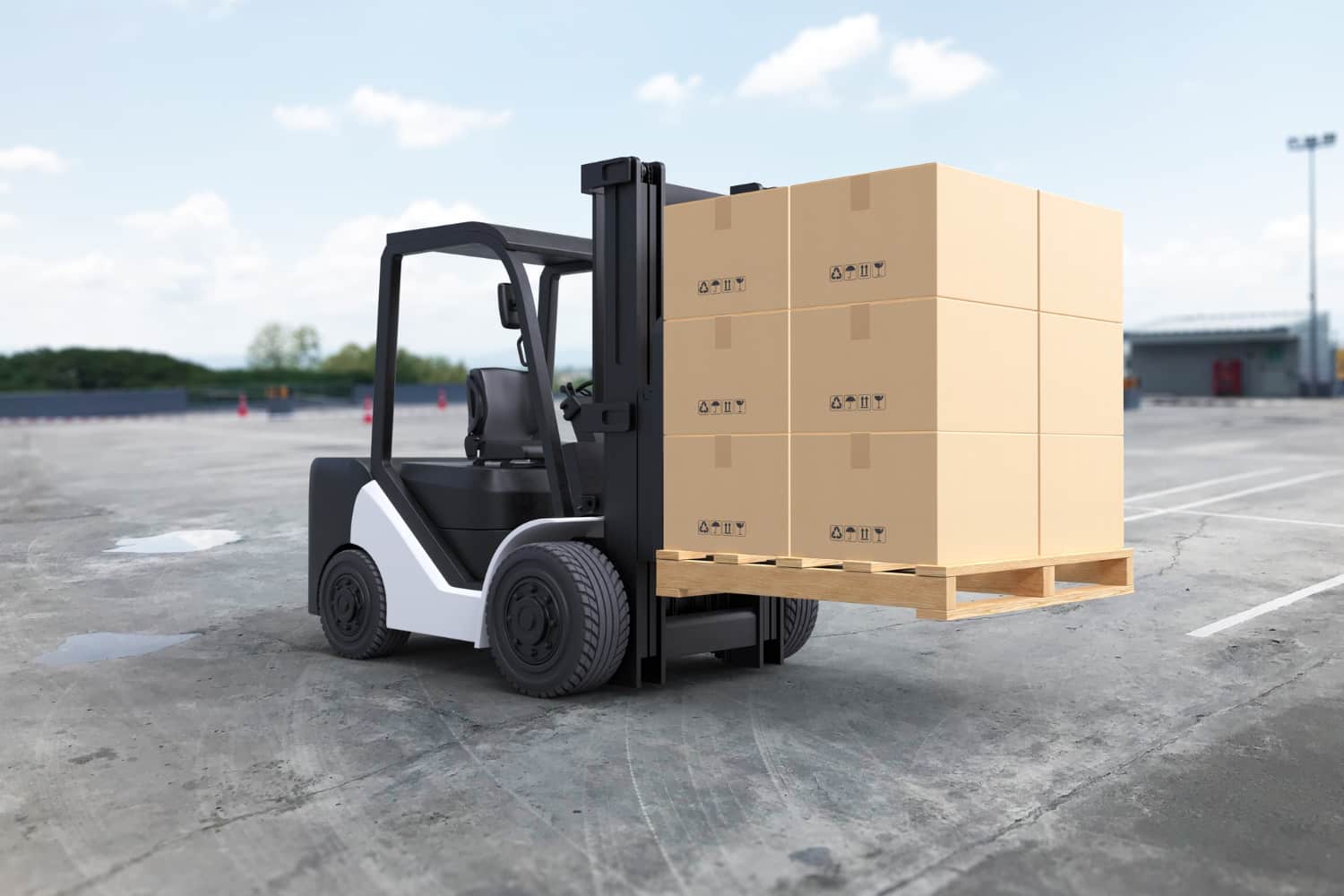
Good packaging alone is not enough if furniture container loading is poor. Packaging and loading must be planned together.
A strong carton can still fail if heavy items are placed incorrectly. Fragile products should not carry weight from large casegoods. Upholstered items should not be compressed under heavy furniture. Long panels should be supported properly to prevent bending.
Container loading should also consider unloading sequence. If furniture is needed floor by floor or room by room, cartons should be loaded and labeled in a way that supports installation flow. This reduces site confusion and prevents unnecessary handling.
Proper furniture container loading also helps reduce shipping cost furniture by improving container efficiency. When furniture is packed with the correct dimensions and loaded strategically, more items fit safely into the container without increasing damage risk.
Some developers try to reduce costs by cutting packaging quality. This is usually a mistake. Furniture export packaging does add cost, but weak packaging creates much higher risk.
In addition to packaging and freight decisions, understanding furniture import duty Ghana is essential for accurate cost planning, as duties and taxes directly affect the total landed cost of hotel furniture projects.
The right question is not “How can we make packaging cheaper?” The better question is “What packaging level protects the project without wasting container space?”
Over-packaging can increase volume and reduce container efficiency. Under-packaging can cause damage and replacement costs. The best export packaging strategy balances protection, volume, weight, handling risk, and project timeline.
| Packaging Decision | Low-Cost Approach | Professional Export Approach | Project Impact |
|---|---|---|---|
| Surface protection | Basic film only | Foam, wrap, and surface-specific protection | Reduces scratches and finish damage |
| Corner protection | Minimal cardboard | Reinforced corner guards and foam blocks | Prevents edge and impact damage |
| Hardware packing | Loose inside carton | Labeled and item-specific hardware packs | Speeds installation |
| Moisture control | No humidity planning | Desiccants and moisture-aware packing | Reduces swelling and mold risk |
| Container loading | Fill empty space randomly | Planned loading by weight and sequence | Reduces damage and site delays |
The best packaging decision is the one that protects both the product and the project timeline. In hotel developments, delivery reliability is often more valuable than small savings on packaging materials.
Ghana projects require special attention because furniture often travels through humid conditions and long handling chains. Even when sea freight is well managed, the furniture may still face port waiting times, customs clearance delays, or temporary storage before site delivery.
Humidity protection is especially important for wood-based furniture. MDF, plywood, particleboard, veneer, and laminated panels all need proper edge protection and packaging control. If moisture enters through weak edges or damaged cartons, the problem may not appear immediately. It may become visible after installation through swelling, peeling, or surface deformation.
Labeling also matters in Ghana hotel projects because installation teams need to identify products quickly. Cartons should clearly show project name, room type, item code, quantity, carton number, and handling instructions. Without clear labeling, installation becomes slower and mistakes become more likely.
Packaging responsibility should be clear before shipment. This is where CIF vs FOB furniture terms become important.
Under FOB terms, the supplier usually prepares the furniture and delivers it to the loading port, while the buyer manages the main freight and insurance. Under CIF terms, the supplier handles freight and insurance to the destination port. However, packaging quality must be clarified in both cases.
A common mistake is assuming that shipping terms automatically define packaging quality. They do not. CIF or FOB can define cost responsibility, but the packaging standard must still be written clearly in the order agreement.
For hotel projects, packaging specifications should be included in the quotation, proforma invoice, or technical agreement. This avoids confusion later and gives both sides a clear reference.
Understanding international shipping terms such as CIF and FOB is essential for managing cost and risk in export projects. You can review official definitions from the International Chamber of Commerce Incoterms® rules to better understand how responsibilities are shared between buyer and supplier.
Export documents furniture Ghana requirements are not only about customs. They also support project control.
The packing list should match carton labels, item codes, and quantities. If documents say one thing and cartons show another, customs clearance and site delivery can become more complicated.
Clear documentation also helps with damage claims. If a carton arrives damaged, photos, packing lists, and loading records help identify where the problem happened. Without documentation, it becomes difficult to prove responsibility.
Good suppliers usually prepare carton lists, loading photos, packing lists, commercial invoices, and shipping documents in a structured way. This makes the export process easier and reduces the risk of confusion.
Many furniture export mistakes happen because packaging is treated as the final step instead of part of the production plan.
One common mistake is packing too late, without testing carton strength or protection methods. Another mistake is using the same packaging for every product type. A heavy wardrobe and an upholstered dining chair need different protection.
Poor labeling is another frequent issue. If cartons are not clearly marked, installation teams waste time opening and sorting products manually. This increases handling and damage risk.
Another serious mistake is ignoring moisture. Sea freight and humid climates require moisture-aware packaging. Without this planning, furniture may arrive with hidden damage.
In a hotel project, several casegoods arrived with damaged corners because carton edges were not reinforced properly. The furniture was produced correctly, but weak packaging caused visible damage during transport.
Replacement parts had to be produced and shipped separately, delaying room completion and increasing project cost. The issue could have been avoided with stronger corner protection and better container loading planning.
Furniture export packaging should not be decided after production is finished. It should be planned during production preparation.
The supplier should know packaging requirements before manufacturing begins because packaging affects item dimensions, carton sizes, loading plans, and shipping cost calculations. If packaging is planned too late, container space may be used inefficiently.
This is especially important when calculating shipping hotel furniture Ghana costs and timeline. Packaging size affects volume, container count, and freight cost. A small change in carton dimensions can influence whether a project fits into one container or requires additional space.
Planning early also helps reduce shipping cost furniture by improving carton size, nesting logic, and loading sequence.
Furniture export lead time Africa depends not only on production and sea freight, but also on packaging, loading, documentation, and customs readiness.
If packaging is delayed, the shipment misses its loading schedule. If documents are not ready, the container may wait. If carton labels are unclear, site delivery slows down. This is why packaging must be included in the full export timeline.
For hotel projects, packaging and loading should be treated as official milestones. The project should not move to shipping until packing photos, carton counts, labels, and loading plans are confirmed.
A professional hotel furniture supplier should be able to explain how each furniture category will be packed. If the supplier gives vague answers, that is a warning sign.
You should ask how casegoods, upholstered furniture, restaurant furniture, outdoor furniture, and fragile items will be protected. You should also confirm whether the supplier uses corner protection, moisture control, carton labeling, and loading photos.
The goal is not to micromanage packaging. The goal is to make sure the supplier has a structured process. In export projects, process quality often matters as much as product quality.
Furniture export packaging is not a small operational detail. It is a project risk control system.
For Ghana hotel projects, proper packaging protects furniture quality, prevents delays, supports customs and site coordination, and reduces replacement costs. It also helps the project team keep installation on schedule.
The strongest projects treat packaging, shipping, documentation, and loading as one integrated logistics system. This is the safest way to protect both the furniture and the hotel opening timeline.
If your project involves custom hotel furniture, restaurant furniture, lobby furniture, or guest room casegoods, packaging standards should be discussed before production is completed. Once the furniture leaves the factory, packaging mistakes become much harder and more expensive to fix.
Furniture export packaging is a protective system designed to prevent damage during international shipping, container loading, and handling. It includes surface protection, edge reinforcement, moisture control, and strong outer cartons to ensure furniture arrives safely at the destination.
Furniture export packaging is critical in hotel projects because any damage can delay installation, increase costs, and affect opening timelines. Proper packaging protects not only the furniture but also the overall project schedule and operational readiness.
Furniture export packaging typically includes foam sheets, corner protectors, stretch film, reinforced cardboard cartons, and in some cases wooden crates. The materials depend on the furniture type, fragility, and shipping conditions.
Furniture export packaging affects shipping costs by influencing volume, weight, and container efficiency. Well-designed packaging minimizes damage while optimizing space usage, helping reduce overall logistics costs.
To protect furniture during shipping to Ghana, it is essential to use high-quality export packaging, proper container loading techniques, moisture protection, and clear labeling. Working with experienced suppliers also significantly reduces the risk of damage and delays.
WhatsApp us