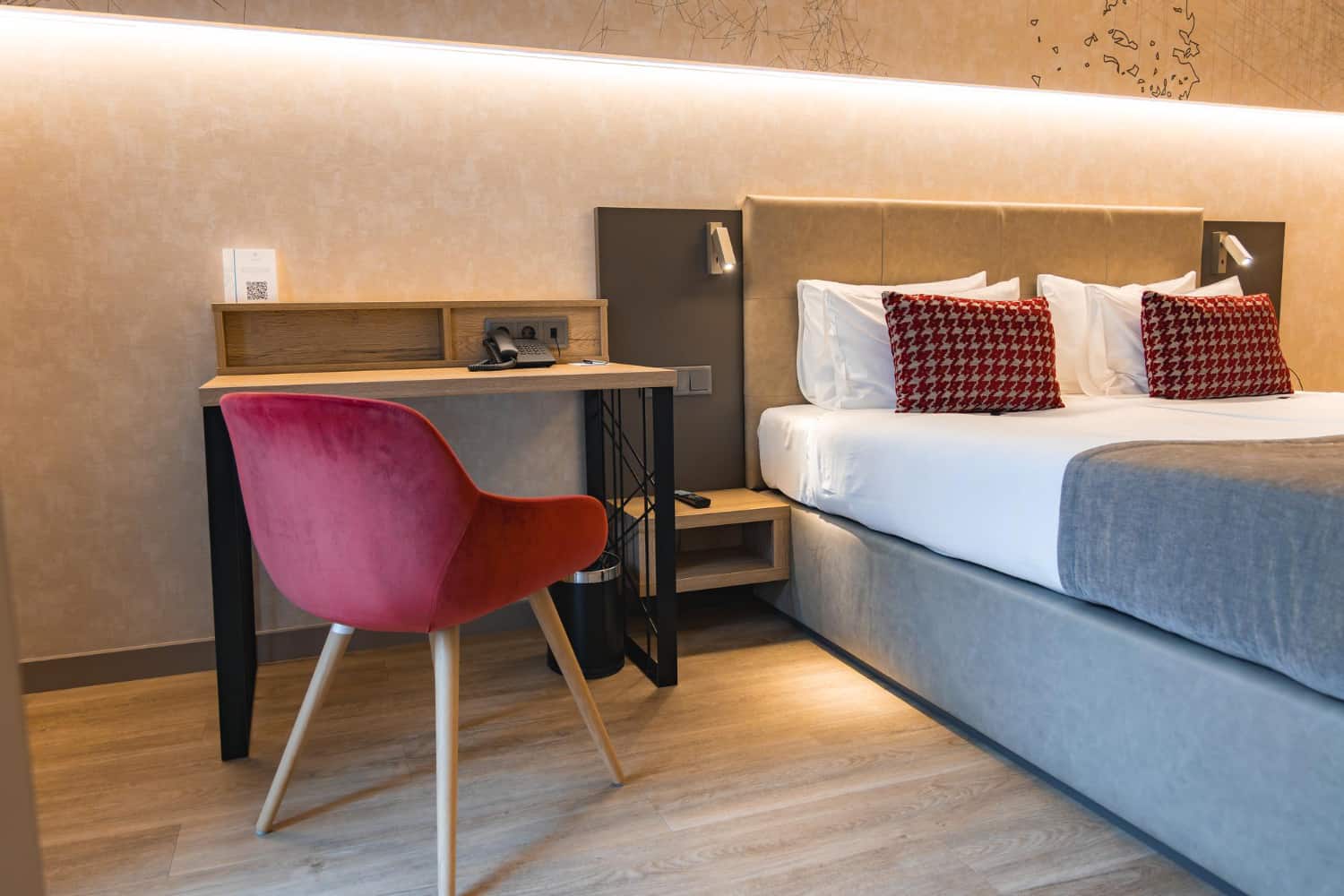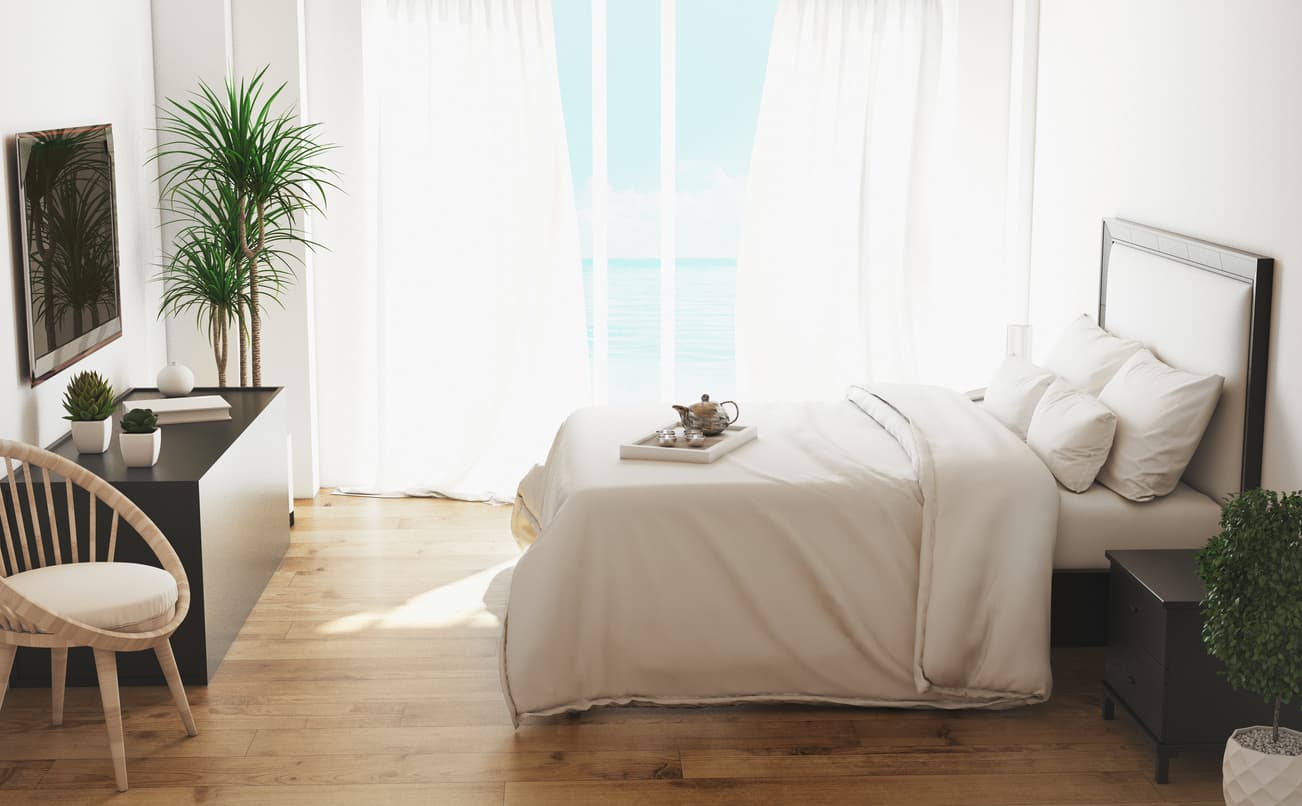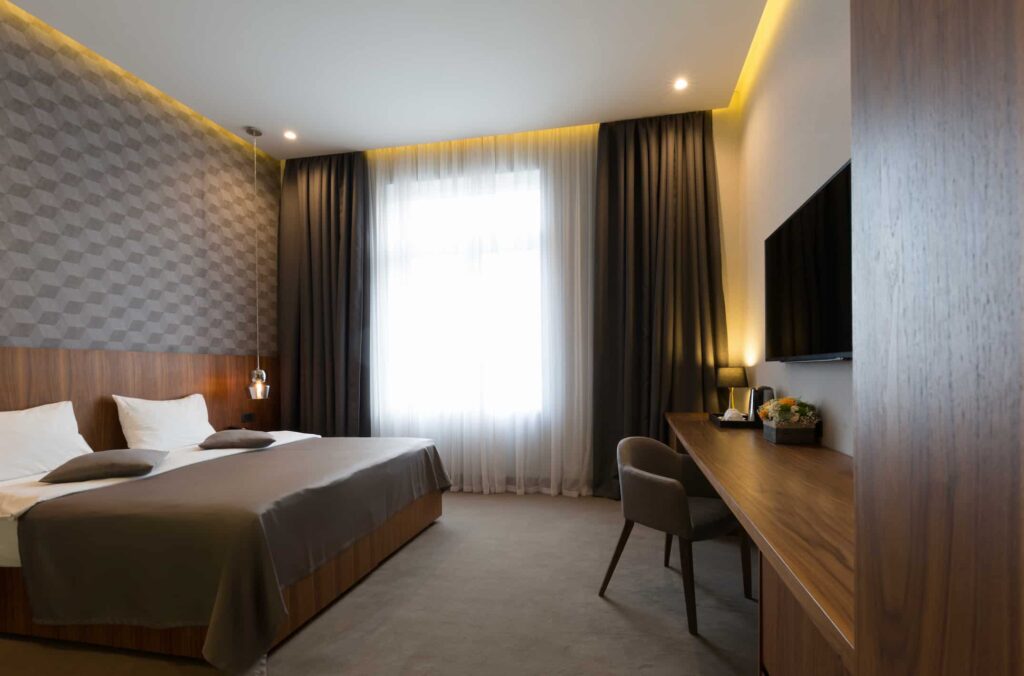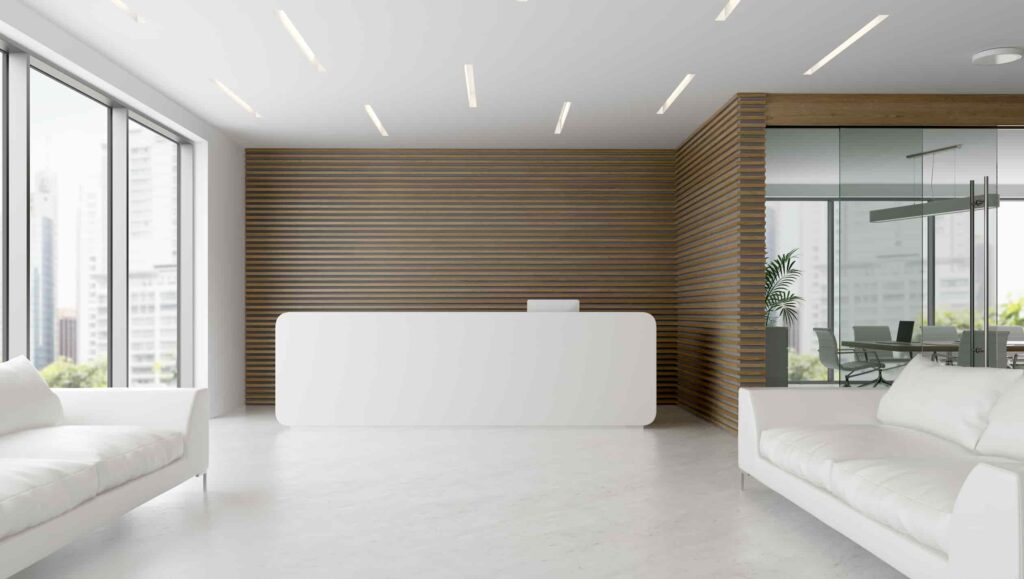
Choosing the right hotel furniture supplier for Ghana projects directly affects your budget, timeline, and long-term guest experience. Hotel developers, interior designers, and general contractors in Ghana face a critical decision at the early stage of every project: select a supplier that can deliver consistent quality, meet deadlines, and handle large-scale production without compromising specifications. The wrong choice leads to delays, cost overruns, and inconsistent room standards. The right supplier supports your project from BOQ to final installation planning.
Ghana’s hospitality sector continues to expand in Accra, Tema, Kumasi, and Takoradi. International brands and independent boutique hotels compete in a market that demands durability, design consistency, and operational efficiency. A professional hotel furniture supplier understands these project realities and aligns production accordingly.
Many project teams start by searching for hotel furniture suppliers in Ghana. Local sourcing may reduce communication barriers and simplify site coordination. However, large-scale hotel projects often require manufacturing capacity, standardized production lines, and export-grade packaging that smaller local workshops cannot provide.
International manufacturers, especially those experienced in hotel furniture manufacturer for Ghana projects, typically offer:
You must evaluate scale. A 120-room hotel requires repeatable production accuracy across casegoods, headboards, wardrobes, vanities, desks, and seating. A factory with established production systems maintains uniformity across every room.
If your project requires custom finishes, brand-specific detailing, or franchise standards, an experienced international manufacturer usually provides stronger technical support.
Hotels rarely operate on a catalog model. Developers need custom hotel furniture Ghana solutions that match architectural drawings and brand identity.
When evaluating a supplier, confirm their ability to:
A professional supplier studies your layout plans before production begins. They create technical drawings and confirm dimensions, materials, and hardware specifications. This process helps eliminate costly site corrections later.
Custom production becomes even more important in multi-room projects. Standardization ensures operational efficiency. When furniture dimensions vary between rooms, housekeeping and maintenance teams may struggle with replacement parts and repairs.
Ask suppliers about their experience with 50+ room projects. Verify whether they can synchronize wardrobes, nightstands, desks, luggage racks, and soft seating under a single production schedule.
Time defines hotel development profitability. Every week of delay postpones revenue generation.
A serious hotel furniture supplier for Ghana projects provides a clear production calendar. Most medium-scale projects require 6–10 weeks of manufacturing, depending on complexity and volume.
You should request:
For projects importing furniture, container planning becomes critical. Efficient packing reduces freight cost per room. Suppliers with export experience understand container capacity optimization and protect products with reinforced packaging.
When importing hotel furniture from Turkey to Ghana, suppliers typically ship through Tema Port. Confirm that your supplier manages export documents, commercial invoices, packing lists, and Bill of Lading coordination.
Clear logistics planning prevents site bottlenecks and ensures installation teams receive furniture in structured batches.
Hotel furniture must withstand high traffic and frequent cleaning cycles. Residential-grade materials fail quickly in hospitality environments.
When selecting a supplier, verify:
A qualified manufacturer sources hotel-grade fabrics and commercial hardware systems. Drawer slides, hinges, and handles must support repeated daily use. Wardrobe structures must resist humidity variations.
You should also evaluate finishing consistency. Hotels require uniform stain tones and laminate textures across hundreds of pieces. Production teams that operate controlled spray booths and finishing lines deliver better consistency.
Always request material samples before mass production. Confirm color codes, fabric references, and surface textures.
Certain warning signs indicate risk in hotel furniture sourcing:
If a supplier cannot provide technical documentation, they likely operate on a small workshop model rather than structured manufacturing.
Another red flag appears when suppliers offer unusually low prices without explaining material specifications. Low pricing often indicates reduced panel thickness, weaker hardware, or inconsistent finishing processes.
Serious hotel projects require technical transparency.
Developers in Ghana should always review past international references. Experience in hospitality projects demonstrates operational understanding.
Ask suppliers about:
Completed hotel room quantities
Brand-standard projects
Export destinations
Installation coordination support
A manufacturer that regularly works with hotel investors understands phased delivery schedules, FF&E coordination, and deadline pressure.
Many Ghana developers collaborate with Turkish manufacturers for large-scale hospitality projects. Turkey maintains strong production infrastructure in contract furniture manufacturing.
Key advantages include:
Manufacturers that focus on project-based hotel furniture coordinate design, engineering, production, and shipping under one structure. This integration reduces miscommunication between subcontractors.
For developers seeking competitive pricing without sacrificing quality, factory-direct sourcing creates cost efficiency while maintaining durability standards.
Before signing a production agreement, confirm the following:
A structured evaluation process protects your investment and ensures smooth execution.
Selecting the right hotel furniture supplier for Ghana projects requires strategic planning. Developers who prioritize manufacturing capacity, export experience, and technical documentation achieve stronger results and smoother installations.
If you are planning a new hotel project in Ghana, prepare your BOQ and layout drawings before contacting suppliers. Clear documentation accelerates quotation accuracy and production scheduling.
You should evaluate manufacturing capacity, project experience, export capability, and ability to produce according to BOQ and shop drawings.
The best choice depends on project scale. Large hotel projects often benefit from experienced international manufacturers with structured production systems.
Most mid-sized projects require 6–10 weeks for production, depending on design complexity and quantity.
Yes. Professional manufacturers produce according to architectural drawings and brand standards rather than fixed catalogs.
You can reduce costs through efficient container planning, optimized packaging, and coordinated bulk shipment scheduling.
WhatsApp us