Hotel furniture comparison is one of the most critical steps in planning a successful hospitality project. Choosing between Turkey, China, and Europe directly affects your budget, timeline, and long-term furniture performance. A structured hotel furniture comparison helps hotel owners, interior designers, and contractors avoid costly mistakes and make confident sourcing decisions.
Choosing the wrong supplier at this stage can create long-term operational and financial problems, especially when quality, logistics, and durability are not evaluated together.
This is why a clear and structured comparison framework is essential before making any sourcing decision.
Quick Answer:
A hotel furniture comparison between Turkey, China, and Europe should evaluate cost, quality, lead time, and logistics together. Turkey offers balanced performance, China focuses on low cost with higher risk, while Europe delivers premium quality at a higher price.
In many hotel projects, the total cost difference between suppliers is often driven more by logistics, delays, and quality issues than by initial unit price, making comparison decisions more complex than they appear.
Many projects fail not because of poor design, but because of wrong supplier selection. A low unit price may look attractive at the beginning, but hidden costs such as logistics delays, poor packaging, or low durability can create serious financial risks. For this reason, a professional hotel furniture comparison must evaluate cost, quality, lead time, and supplier reliability together—not separately.
To understand the full scope of planning, sourcing, and supplier selection, you can explore our hotel furniture Ghana complete guide for hotel projects.

Hotel furniture sourcing follows a structured process that starts with concept design and ends with installation. Each step directly impacts quality, cost, and timeline.
Hotel furniture sourcing follows a multi-stage process that directly impacts cost, quality, and timeline from the earliest design decisions to final installation. It typically begins with concept development and layout planning, followed by detailed technical drawings and material selection to define specifications clearly.
Once specifications are approved, sample production and mock-up rooms are used to validate design, materials, and functionality before full-scale manufacturing begins. This stage is critical to identify potential issues early and avoid costly corrections during production.
After approval, mass production is completed alongside packaging and container loading, which must be planned carefully to prevent damage during transport. The process continues with international shipping, customs clearance, and final installation on site, where coordination between all stages determines overall project success.
In real hotel projects, delays often happen between approval and production stages. If specifications are unclear, suppliers may interpret requirements differently, leading to inconsistencies. Understanding this process is essential when planning hotel furniture Ghana projects.
A proper hotel furniture comparison must always consider total landed cost. Many buyers make the mistake of comparing only factory prices, which leads to inaccurate budgeting.
Comparing hotel furniture sourcing options requires evaluating cost, quality, lead time, and risk together. The table below provides a practical overview of how Turkey, China, and Europe differ across key decision factors.| Factor | Turkey | China | Europe |
|---|---|---|---|
| Cost Level | Balanced | Lowest upfront cost | Highest cost |
| Quality Consistency | High (if controlled) | Variable | Very high |
| Customization | Flexible | Limited | High but expensive |
| Lead Time | Medium / Fast | Long | Medium |
| Logistics Risk | Moderate | High | Low |
| Communication | Easy | Challenging | Easy |
| Best For | Balanced projects | Budget projects | Luxury projects |
Turkey usually offers a balanced cost structure. China often provides lower production prices but higher logistics complexity. Europe typically delivers premium quality at significantly higher cost.
Projects that ignore logistics costs often exceed their budgets. For example, delays at ports or damaged goods due to weak packaging can increase costs dramatically. You can explore a detailed hotel furniture cost in Ghana to better understand budgeting and total project expenses.
According to global trade data, international furniture supply chains continue to expand across emerging markets.
Lead time is the most cited limitation of Turkish sourcing — but it becomes manageable when planned correctly. The hotel furniture lead time guide breaks down every stage from production to Tema Port and shows exactly where the timeline can and cannot be compressed.
China dominates global furniture production due to its scale and cost efficiency. Many hotel projects choose China for budget-driven procurement.
If problems occur during production, resolving them remotely can be difficult and time-consuming. Exporting logistics challenges are explained in detail in this guide.
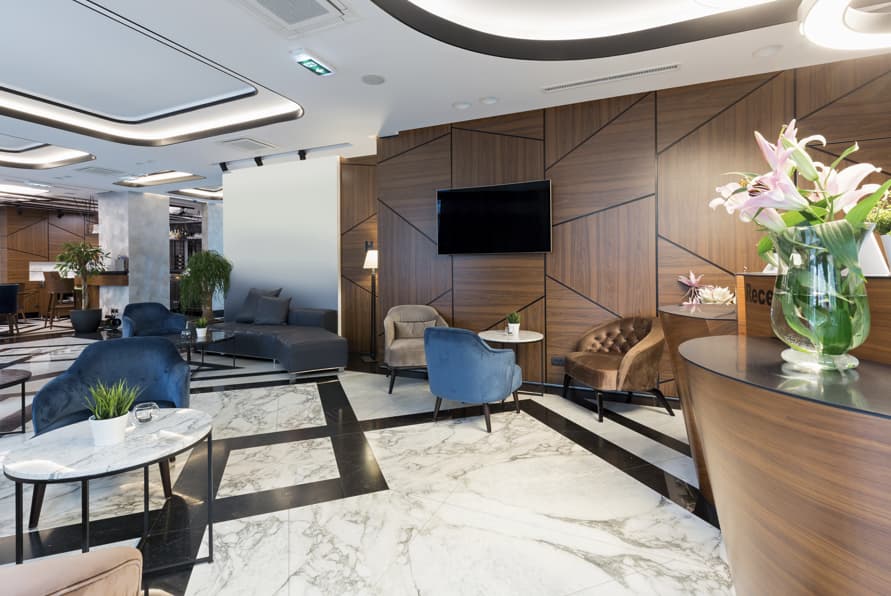
European manufacturers focus on premium quality, design excellence, and strict compliance standards. European furniture works best for luxury hotels where brand perception is critical.
Quality should always be evaluated using measurable criteria. Evaluating hotel furniture quality requires more than visual inspection, as long-term performance depends on how materials, construction methods, and production standards interact under real usage conditions.
Material selection plays a fundamental role, with differences in board quality, surface finishes, and internal structures directly affecting durability. Hardware systems such as hinges, connectors, and fittings must be designed to withstand continuous use without failure. Structural strength and production consistency ensure that every unit performs the same way across large-scale hotel projects, preventing unexpected variations that lead to operational issues.
Surface resistance is equally important, particularly in high-traffic environments where furniture is exposed to cleaning chemicals, moisture, and physical impact. Many buyers focus only on visual appearance, which can be misleading — true quality reveals itself over time through durability and performance.
Reviewing actual hotel guest room furniture production scope helps you understand how different furniture categories are manufactured and how they affect long-term durability and consistency. A detailed inspection process is explained in our hotel furniture quality checklist.
Lead time planning plays a crucial role in hotel project success, directly affecting opening schedules and revenue timelines.
Production periods run approximately 4 to 8 weeks, followed by shipping durations ranging from 3 to 6 weeks depending on the sourcing region. Installation usually takes an additional 1 to 2 weeks, but these timelines can vary based on project complexity and coordination efficiency. Turkey offers faster delivery for nearby regions. China requires longer shipping times. Europe provides stable but slower timelines.
Poor planning can delay hotel openings, which directly impacts revenue. China carries the highest logistics risk due to long transit times and limited flexibility for schedule adjustments mid-shipment. Turkey’s proximity to Africa and Europe reduces transit time and allows faster response to last-minute changes. Europe offers predictable timelines but limited room for cost optimization on logistics.
Choosing the right supplier depends on project priorities.
Choosing the right hotel furniture supplier requires aligning project priorities with supplier capabilities, rather than making decisions based on a single factor such as price or location.
Projects with strict timelines often benefit from suppliers that offer shorter lead times and better communication, while budget-driven developments may prioritize cost efficiency with controlled risk. High-end projects, on the other hand, require suppliers capable of delivering premium materials, precise workmanship, and consistent quality across all units.
The most effective sourcing decisions evaluate cost, lead time, customization ability, and production reliability together, ensuring that the selected supplier supports both immediate project needs and long-term operational performance.
Many hotel projects fail at the sourcing stage, not because of poor suppliers, but because of incorrect decision-making processes. A proper hotel furniture comparison helps identify risks early, but many buyers still repeat the same mistakes.
Many hotel projects underestimate total costs by focusing only on unit prices. Hidden expenses such as logistics delays, damage risks, and rework often make low-cost suppliers more expensive in the long run.
One of the most common mistakes is focusing only on price. A low quotation may hide critical issues such as weak materials, poor hardware, or insufficient packaging. These problems often appear after installation, when fixing them becomes costly and time-consuming.
Another mistake is working with unclear specifications. When technical details such as panel thickness, surface materials, or hardware standards are not defined, suppliers may interpret requirements differently. This leads to inconsistent quality across rooms.
Skipping mock-up rooms is also a serious risk. A mock-up allows buyers to test furniture in real conditions before mass production. Without this step, design flaws and usability issues may go unnoticed.
Logistics is one of the most underestimated aspects of hotel furniture comparison. Even if production quality is high, poor logistics planning can delay projects and increase costs.
Shipping from China typically takes longer, often requiring 30–45 days depending on the route. Turkey offers shorter transit times to Africa and Europe, making it a more predictable option for time-sensitive projects.
Packaging quality is another critical factor. Hotel furniture must be packed for international transport, not local delivery. Weak packaging can result in damaged goods, which leads to delays and additional costs.
Customs clearance also plays a role. Incorrect documentation or poor coordination with freight forwarders can create unexpected delays at ports.
A structured decision framework helps simplify the hotel furniture comparison process. Instead of focusing on a single factor, buyers should evaluate suppliers across multiple criteria.
Final decision-making should consider multiple factors simultaneously, including budget constraints, delivery timelines, design complexity, quality expectations, and overall project scale. Evaluating these elements together allows buyers to select suppliers that align with both immediate needs and long-term performance goals.For example, a fast-track project with tight deadlines may benefit from Turkish suppliers due to shorter lead times. A budget-driven project may lean toward China, while luxury projects often require European manufacturers.
The best results come from aligning supplier capabilities with project goals rather than choosing based on price alone. A structured hotel furniture comparison — covering cost, quality, lead time, and logistics together — is the foundation of every sourcing decision that delivers long-term value rather than short-term savings.
The best sourcing decision is never about price alone, but about aligning supplier capabilities with long-term project performance, risk management, and operational efficiency. The most successful hotel furniture projects are not built on the lowest price, but on the clarity of decisions made at the sourcing stage. Every choice related to materials, suppliers, logistics, and quality control directly shapes long-term operational performance. In practice, projects that evaluate suppliers holistically—considering risk, durability, and execution capability—consistently outperform those driven by short-term cost savings. A structured hotel furniture comparison is not just a procurement step, but a strategic decision that determines whether a project runs smoothly or faces continuous challenges after installation. Many long-term operational issues in hotels originate from sourcing decisions rather than manufacturing defects, making supplier selection one of the most critical stages of any hospitality project.Ask every supplier to quote the same scope with the same Incoterms, packing spec, and finish schedule. Then compare landed cost, not unit price. Landed cost includes freight, customs duties, inland transport, and packaging losses. A quote that looks 20% cheaper at the factory gate can end up more expensive after logistics, delays, and replacements are factored in.
Plan for at least 16 to 20 weeks from approved drawings to site delivery. This typically includes 2 to 3 weeks for shop drawings and approvals, 2 to 4 weeks for a mock-up room, 6 to 8 weeks for mass production, and 3 to 6 weeks for shipping depending on the origin. Turkey offers shorter transit times to Africa and Europe, while China requires longer lead time buffers. Always add 2 to 3 weeks contingency for customs clearance and last-minute corrections.
Chinese hotel furniture can look cheaper at the unit price level, but the true cost often rises after logistics, freight, customs duties, and rework are factored in. Long shipping times of 30 to 45 days increase inventory risk and delay project timelines. Communication challenges can make corrections difficult and time-consuming. When packaging quality is weak, damage rates during transit can add significant hidden costs. For time-sensitive or customization-heavy projects, the initial price advantage can disappear entirely.
European hotel furniture justifies the higher cost when brand perception, strict compliance standards, and premium finishing are non-negotiable project requirements. European manufacturers typically deliver strong engineering, consistent production quality, and reliable documentation. However, quality also depends on the factory tier — not every European supplier operates at the same level. For luxury hotel projects where design precision and long-term durability outweigh budget constraints, Europe is the strongest sourcing option. For mid-scale or budget projects, the cost premium rarely delivers proportional value.
The biggest hidden risk in hotel furniture sourcing is the gap between approved sample and mass production. A supplier can deliver a perfect mock-up room, then drift on materials, hardware, or finishing during bulk production when timelines tighten or costs increase. Other significant hidden risks include weak packaging that causes transit damage, incomplete documentation that delays customs clearance, and late specification changes that can cost weeks and significant budget in any sourcing region. These risks rarely appear in the initial quote but consistently drive project overruns.
For compliance, request material safety data sheets, panel emission classifications, and fire test reports relevant to your destination market. For sustainability, ask for wood traceability documentation such as FSC or PEFC certification, especially for EU-bound projects where due diligence requirements are increasingly strict. Hardware and upholstery suppliers should also provide relevant certifications covering chemical content and durability testing. A supplier that cannot provide these documents within a reasonable timeframe is a reliability risk, regardless of how competitive their pricing is.
WhatsApp us